Stellantis Unveils STLA Frame Architecture to Extend Electric Truck Range Beyond 600 Miles
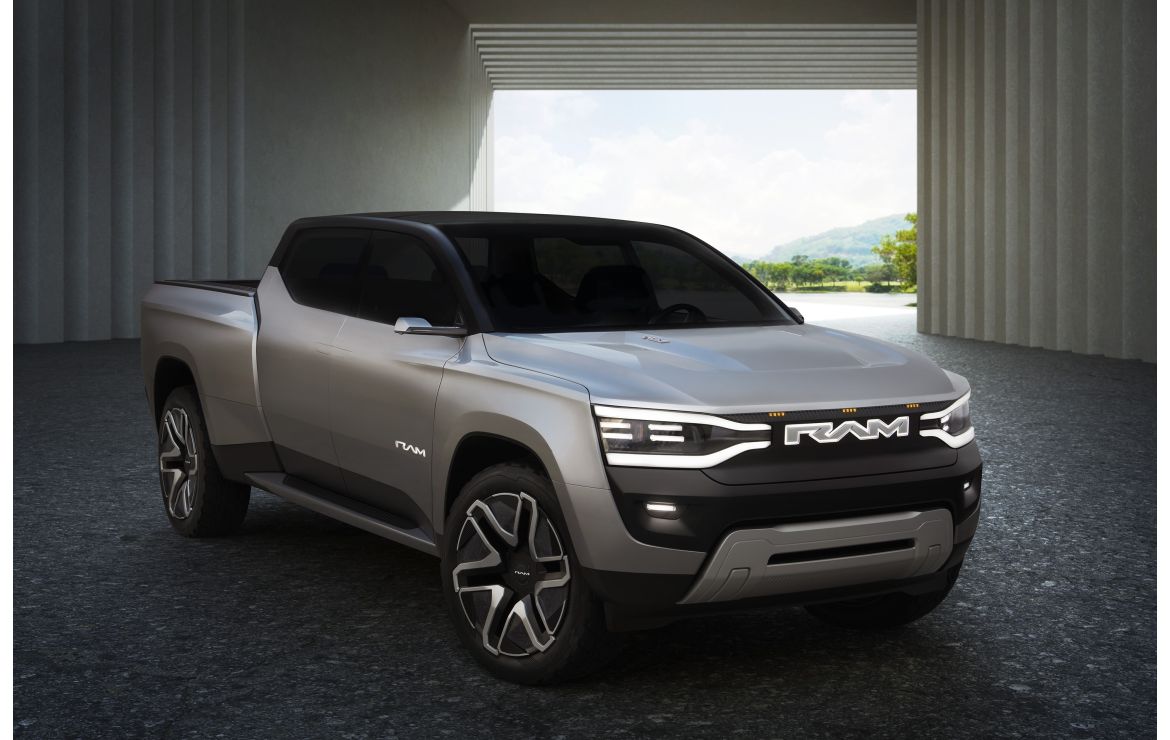
Stellantis N.V. has officially debuted its highly anticipated STLA Frame platform, a massive body-on-frame architecture designed to underpin the next generation of Ram pickups and Jeep SUVs. The reveal, which details the engineering backbone for the upcoming Ram 1500 REV and Ramcharger, addresses the critical range and towing deficits that have stalled the adoption of electric trucks in the North American market. The platform’s headline capability is a Range Extended Electric Vehicle (REEV) configuration that delivers a claimed driving range of up to 690 miles (1,100 km), significantly outdistancing current battery-electric competitors.
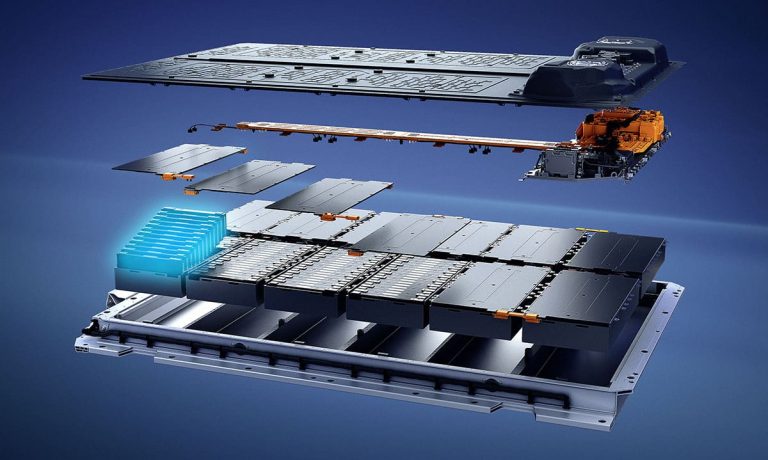
The technical specifications of the STLA Frame are engineered to replicate and exceed the utility of traditional internal combustion trucks. The architecture supports liquid-cooled battery packs ranging from 159 kWh to over 200 kWh, housed within widened frame rails protected by high-strength steel. In its pure Battery Electric Vehicle (BEV) configuration, the platform targets a range of 500 miles (800 km) and features an 800-volt architecture capable of accepting DC fast charging rates up to 350 kW. This allows drivers to recover 100 miles of range in approximately 10 minutes, a crucial metric for commercial fleet operators.
However, the strategic differentiator for Stellantis lies in the REEV system, which utilizes an on-board internal combustion engine solely as a generator to recharge the battery, with no direct mechanical path to the wheels. This setup solves the “towing penalty” inherent in electric trucks, where heavy loads can halve a vehicle’s range. The STLA Frame is rated for a maximum towing capacity of 14,000 pounds (6,350 kg) and a payload of 2,700 pounds (1,224 kg), figures that surpass the base specifications of the Ford F-150 Lightning and Chevrolet Silverado EV.
Stellantis CEO Carlos Tavares positioned the platform as a “no compromise” solution for buyers hesitant to abandon combustion engines entirely. By offering a multi-energy architecture that can accommodate BEV, REEV, hybrid, and even hydrogen propulsion, the company aims to insulate its profitable truck portfolio from volatile shifts in EV demand. The platform also integrates bi-directional charging capabilities, allowing the vehicle to power homes or grid infrastructure, further enhancing its utility proposition.
The launch of STLA Frame marks a pivotal moment for the Ram and Jeep brands as they attempt to bridge the gap between legacy performance and regulatory decarbonization targets. While competitors like Ford have recently scaled back electric truck production due to softening demand, Stellantis is betting that the extended range and towing resilience of its REEV technology will attract traditional truck buyers who previously rejected electrification. The first vehicles utilizing this architecture, including the Ram 1500 Ramcharger, are scheduled to arrive in dealerships in early 2025.