Toyota Initiates Pilot Production of Solid-State Batteries at Teiura Plant
Toyota Motor Corporation has officially commenced operations on its dedicated solid-state battery pilot line at the Teiura plant in Japan, marking a critical milestone in the automaker’s long-delayed transition to next-generation electrification. The activation of this facility, confirmed by Chief Technology Officer Hiroki Nakajima on Thursday, keeps the company on a fragile but plausible timeline for limited commercial rollout by 2027. This development serves as the first tangible evidence that Toyota is moving beyond laboratory prototyping into scalable manufacturing processes for the controversial technology.
The pilot line is tasked with solving the most persistent hurdle in solid-state development: the stacking process. Unlike liquid-electrolyte batteries that can be filled rapidly, solid-state cells require precise, high-pressure layering of the anode, cathode, and solid electrolyte to prevent cracking and ensure conductivity. Engineers at the facility are currently targeting a production speed that rivals current lithium-ion assembly, though Nakajima admitted that yield rates remain the primary variable determining the final cost per kilowatt-hour.
According to the specifications released during the facility tour, the first generation of these solid-state cells targets a cruising range of approximately 1,000 kilometers (621 miles) on the WLTP cycle, with a 10-to-80 percent charging time of just 10 minutes. These figures represent a significant leap over the current bZ4X’s performance, which tops out at roughly 250 miles of real-world range. Toyota projects that subsequent iterations, slated for development closer to 2028, could push range capabilities past 1,200 kilometers (745 miles) while further reducing thermal management weight penalties.
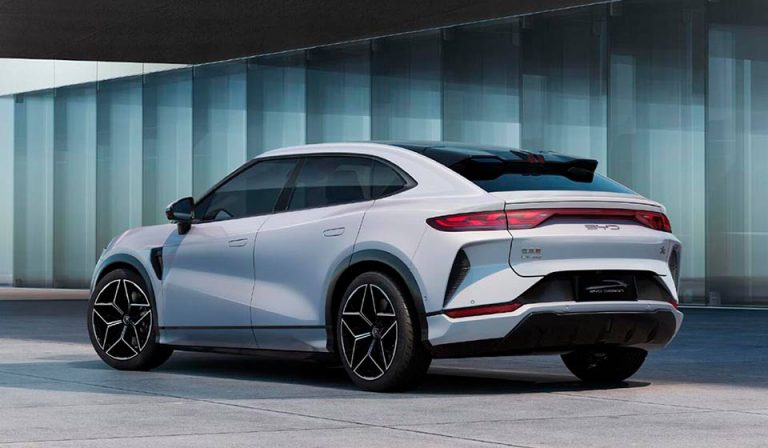
Industry analysts view this move as a defensive necessity rather than purely an offensive innovation, particularly as Chinese competitors like BYD and CATL continue to dominate the LFP (lithium iron phosphate) battery market with aggressive pricing. By focusing on high-performance solid-state chemistry, Toyota attempts to secure the premium segment where margins can absorb the initially high manufacturing costs. Early estimates place the manufacturing cost of these initial solid-state packs significantly higher than current NCM (nickel cobalt manganese) standards, limiting their initial application to high-end Lexus models.
The announcement included a cautious roadmap update from CEO Koji Sato, who emphasized that while mass production technology is now being validated, global volume remains capped at several thousand vehicles for the 2027-2028 window. This conservative rollout strategy aligns with Toyota’s “multi-pathway” approach, continuing to rely on hybrid and standard EV architectures for the bulk of its fleet while vetting the long-term durability of the solid electrolyte layers in real-world conditions.