Nissan Confirms 2026 Frontier PHEV Production Will Shift to China to Undercut Global Rivals
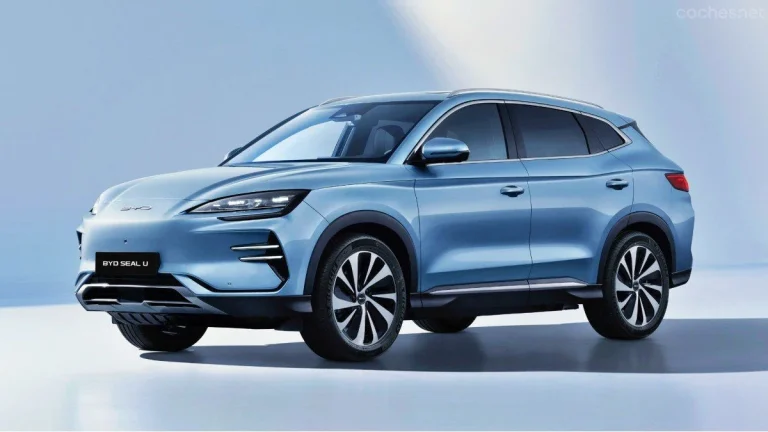
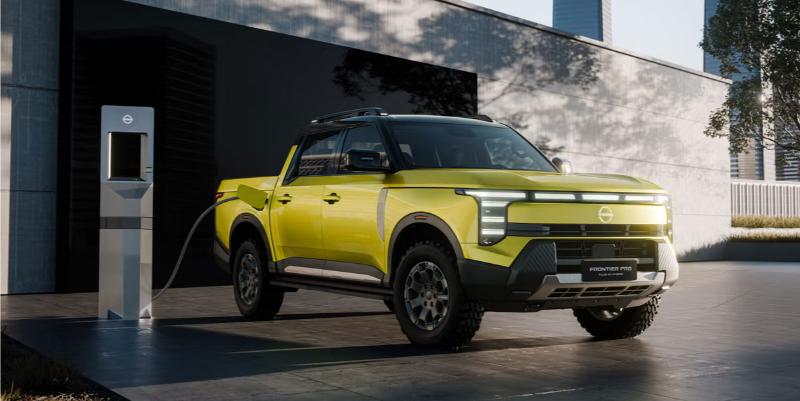
Nissan officially validated rumors this Saturday regarding the electrification of its midsize pickup, confirming that the 2026 Frontier Plug-in Hybrid Electric Vehicle (PHEV) has been “locked in” for right-hand drive markets. In a move that signals a significant strategic pivot for the Japanese automaker, executives revealed that production for this electrified variant will originate from its joint-venture facilities in China rather than its traditional manufacturing hubs in Thailand or North America. This confirmation directly addresses the intensifying pressure from new competitors entering the segment, specifically the BYD Shark 6 and the Ford Ranger PHEV.
The decision to source the Frontier PHEV from Chinese assembly lines underscores the rapid shift in automotive manufacturing economics, particularly concerning new energy vehicles. By leveraging existing supply chains within China, Nissan aims to dramatically reduce the lead time and production costs associated with the complex hybrid powertrain. Industry analysts suggest this sourcing strategy could allow Nissan to price the Frontier PHEV aggressively, potentially undercutting the Ford Ranger PHEV by an estimated $4,000 to $6,000 USD in applicable markets. The timeline provided by Nissan places the first deliveries in the second quarter of 2026, a schedule that puts it in direct contention with the next wave of electrified utility vehicles.
Technical specifications shared during the briefing indicate that the Frontier PHEV will not merely be a compliance vehicle but a performance-oriented trim targeting the lifestyle sector. The powertrain is expected to pair a 2.3-liter turbocharged gasoline engine with a high-output electric motor, delivering a combined output exceeding 350 horsepower and 450 lb-ft of torque. Crucially, engineers have targeted a pure electric driving range of approximately 62 miles (100 kilometers) on the WLTP cycle, a figure that surpasses the current capabilities of many legacy hybrid systems. This extended range is achieved through a chassis-integrated battery pack that Nissan claims will not intrude on the cargo bed capacity, addressing a primary concern for commercial buyers.
The announcement comes immediately following the surfacing of the BYD Shark 6 in cab-chassis form this weekend, creating a sense of urgency within the legacy truck market. Nissan’s regional leadership noted that the decision to import “via China” was driven by the necessity to meet stringent new emissions protocols, such as Australia’s New Vehicle Efficiency Standard (NVES), without sacrificing towing capability. “Our customers demand a ute that can haul three tons during the week and commute with zero emissions on the weekend,” remarked a Nissan product planning executive during the media roundtable. “Leveraging our global manufacturing footprint allows us to bring this dual-nature capability to market faster than retooling our existing southern hemisphere plants.”
Market reaction to the news has been mixed, with investors applauding the cost-efficiency of the China strategy while dealership networks express caution regarding consumer perception of Chinese-built legacy trucks. However, the reality of the 2025 automotive landscape is that the supply chain for advanced batteries and hybrid transmissions is heavily concentrated in East Asia. By tapping into this ecosystem directly, Nissan ensures access to the latest Lithium-Iron-Phosphate (LFP) battery chemistry, which offers superior durability and safety compared to older Nickel-Manganese-Cobalt cells.
This development also raises questions about the future of the Nissan Frontier in the North American market, where the model is currently built in Canton, Mississippi. While today’s announcement specifically referenced global exports including Australia, the proliferation of Chinese-sourced architectures within Nissan’s lineup suggests a potential unification of the global Navara and North American Frontier platforms in the coming years. If the efficiency gains realized by the China-sourced PHEV prove substantial, it could force a re-evaluation of manufacturing strategies for the US market, pending tariff regulations. For now, the 2026 Frontier PHEV stands as Nissan’s definitive answer to the electrification challenge, blending legacy badge equity with the aggressive economics of modern Chinese manufacturing.