Volkswagen Debuts Third-Generation Tiguan with MQB Evo Architecture
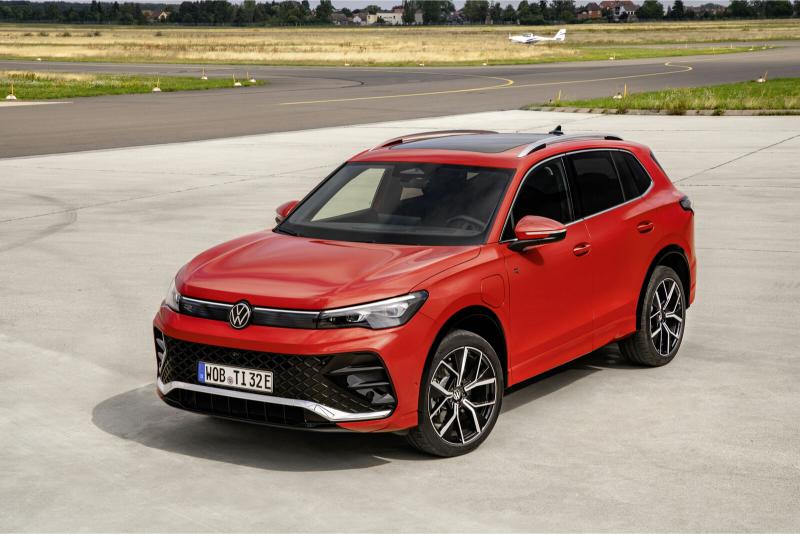
Volkswagen officially unveiled the North American specification of the third-generation Tiguan at the Los Angeles Auto Show, confirming a comprehensive overhaul for the brand’s best-selling nameplate. The new SUV transitions to the automaker’s modular MQB Evo platform, a move that aligns the internal combustion model with the digital architecture and chassis refinements found in the Golf GTI and the electric ID. family. Executives at the reveal emphasized that this iteration is tailored specifically for American drivers, featuring a longer wheelbase than its European counterpart and exclusive sheet metal that distinguishes it from the global Tayron.
Under the hood, the Tiguan retains a turbocharged 2.0-liter EA888 four-cylinder engine, though it has been retuned to produce 201 horsepower, an increase of 17 horsepower over the outgoing model. While torque figures remain consistent, engineers have focused on reducing curb weight to improve agility and efficiency. The vehicle utilizes new high-strength steel and aluminum suspension components to shed approximately 170 pounds, a significant reduction that VW claims will sharpen handling dynamics and improve fuel economy. The powertrain is mated exclusively to an eight-speed automatic transmission, with the brand’s 4Motion all-wheel-drive system available across the lineup.
Inside, the cabin represents a radical departure from the previous generation, adopting a “digital-first” philosophy centered around the fourth-generation modular infotainment matrix (MIB4). A 12.9-inch infotainment display comes standard, with a larger 15-inch screen available on upper trims, both featuring backlit touch sliders and an improved voice assistant. In a move to free up console space, the gear selector has been relocated to the steering column, allowing for a new “Driving Experience Control” rotary dial on the center console. This multi-function controller features its own mini-LED screen and allows drivers to toggle between drive modes, adjust volume, or cycle through “Atmospheres”—pre-configured settings that synchronize ambient lighting and audio profiles.
Andrew Savvas, Head of Sales and Marketing for Volkswagen North American Region, noted that the decision to discontinue the optional third row was driven by customer data indicating a preference for cargo capacity and second-row comfort in this segment. Consequently, the new Tiguan remains strictly a two-row five-seater, offering expanded cargo volume and improved rear legroom. To elevate the premium feel, front seats now offer an available 10-point massage function and ventilation, features previously reserved for the flagship Atlas or luxury competitors.
Safety systems have also been bolstered, with the IQ.DRIVE driver assistance suite now standard on all trims. This includes Travel Assist, which provides semi-automated driving capability from 0 to 95 mph, and a new proactive occupant protection system. While official pricing has not been released, the 2025 Tiguan is expected to arrive in dealerships by mid-2025, likely carrying a slight premium over the current starting MSRP of roughly $30,000 to reflect the upgraded technology and standard equipment.