Panasonic Energy Secures Zoox Deal to Power Autonomous EV Taxis
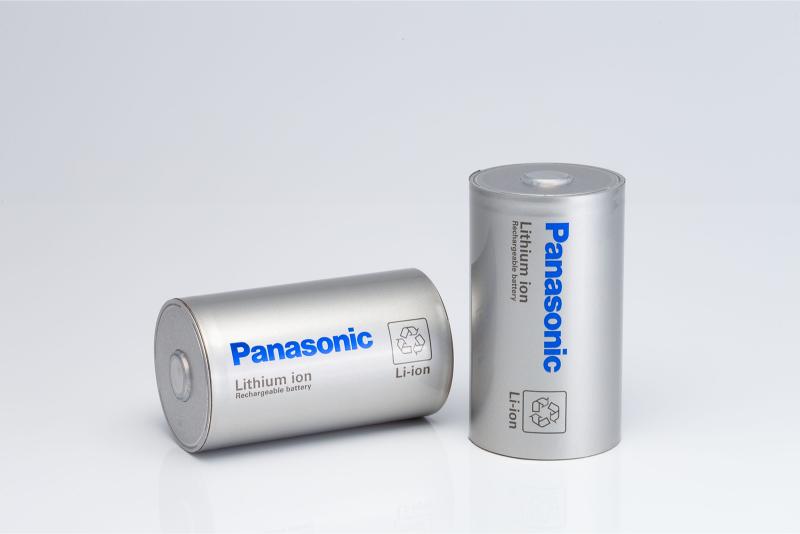
Panasonic Energy announced a major supply agreement with Zoox, the Amazon-backed autonomous vehicle developer, to provide high-performance cylindrical lithium-ion batteries for its purpose-built robotaxis. The deal marks a significant step in scaling electric mobility for driverless urban transport, with initial deliveries slated to begin in early 2026. This partnership underscores Panasonic’s push into the burgeoning autonomous EV sector, leveraging its expertise in compact, high-density battery cells optimized for robotics and AI-driven vehicles.
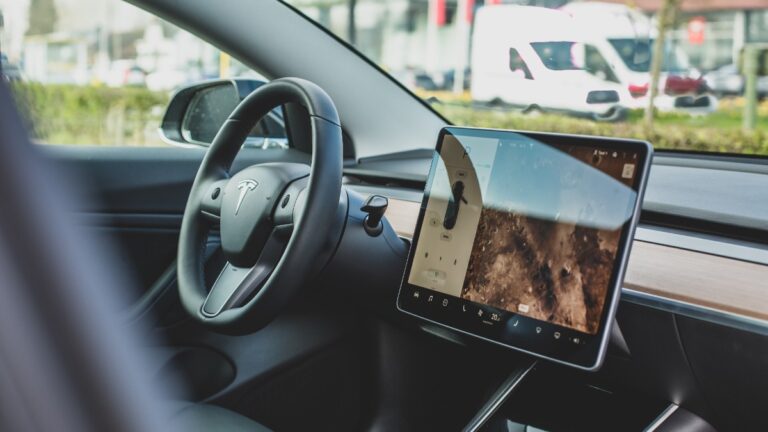
Zoox, acquired by Amazon in 2020, has been quietly revolutionizing urban mobility with its bidirectional, pod-like EV design that eliminates traditional steering wheels and pedals. Unlike conventional cars, Zoox’s vehicles feature omnidirectional movement capabilities, allowing seamless navigation in dense city environments. The integration of Panasonic’s 4680-format cells promises enhanced energy efficiency, enabling longer operational shifts without frequent recharges. Industry analysts estimate this could reduce downtime for fleets by up to 30 percent, a critical factor for cost-effective ride-hailing services.
The agreement comes at a pivotal moment for autonomous tech. With regulatory hurdles easing in key markets like California and Nevada, where Zoox holds testing permits, the company aims to launch commercial robotaxi services by late 2026. Panasonic’s batteries, known for their thermal stability and rapid charging—up to 80 percent in 15 minutes—align perfectly with Zoox’s need for reliable power in stop-start urban scenarios. This collaboration also reflects broader trends in the auto technology space, where battery suppliers are increasingly tailoring solutions for non-traditional EVs, from delivery drones to self-driving shuttles.
For Panasonic, the deal bolsters its position amid fierce global competition. The company, a longtime Tesla partner, has invested heavily in cylindrical cell production to meet rising demand for affordable, scalable EV components. Last year, Panasonic ramped up output at its Nevada Gigafactory, but diversification into autonomy helps mitigate risks from passenger car market volatility. Zoox’s order, reportedly in the tens of thousands of units annually once scaled, could generate hundreds of millions in revenue, providing a steady stream beyond consumer autos.
Amazon’s involvement adds another layer of intrigue. The e-commerce giant views Zoox as a cornerstone of its logistics empire, potentially integrating robotaxis with Prime delivery networks for last-mile efficiency. Imagine seamless handoffs from warehouse to vehicle, all powered by Panasonic’s robust cells. This synergy could accelerate Amazon’s green credentials, aligning with its 2040 carbon-neutral goal, while pressuring rivals like Waymo and Cruise to innovate faster.
Challenges remain, of course. Autonomous EVs face scrutiny over safety, with recent incidents highlighting the need for foolproof sensor fusion and battery redundancy. Panasonic addresses this through advanced battery management systems that monitor cell health in real-time, preventing thermal runaway even in crash scenarios. Zoox, meanwhile, emphasizes its four-lidar, 12-camera setup for 360-degree awareness, claiming superior obstacle detection over human drivers.
As cities grapple with congestion and emissions, deals like this signal a shift toward electrified, intelligent transport. Panasonic and Zoox aren’t just building batteries and bots; they’re reimagining how we move. With pilot programs expanding in San Francisco and Las Vegas, the robotaxi era feels tantalizingly close. For the automotive industry, it’s a reminder that the future isn’t just about faster cars—it’s about smarter, cleaner streets. This partnership could spark a wave of similar alliances, propelling auto technology into uncharted territory.