Fiat 500 Hybrid Emerges as Slowest New Car in UK Launch
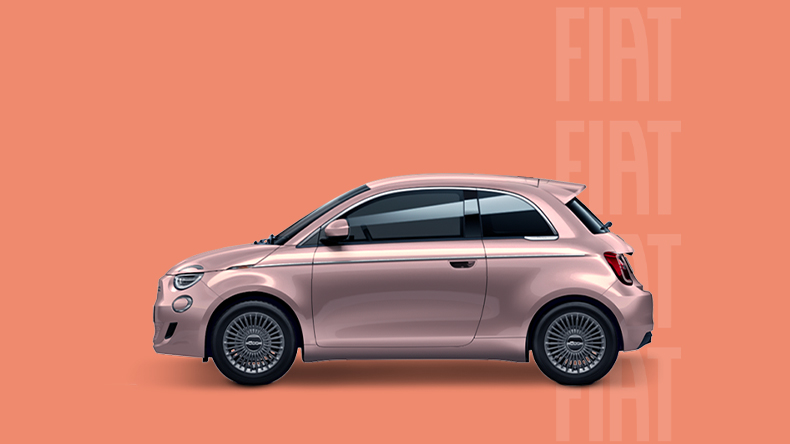
Fiat unveiled its latest 500 Hybrid, a mild-hybrid city car poised to become one of the slowest new vehicles on UK roads when it arrives in 2026. Powered by a 64bhp turbocharged 1.0-litre three-cylinder petrol engine paired with a 12-volt lithium-ion battery, the hatchback model clocks a leisurely 0-62mph in 16.2 seconds. The convertible 500C variant lags even further at 17.3 seconds. This glacial pace stems from Fiat’s pivot to hybrids amid faltering electric vehicle demand, blending outdated mechanics with regulatory necessities.
The hybrid’s sluggishness outpaces most rivals in the compact segment, where zippy acceleration defines urban agility. It trails behind the Toyota Aygo X, which hits 62mph in about 10 seconds, and the Kia Picanto’s automatic version at 14.4 seconds. Only the budget Dacia Spring proves marginally slower, with its base 44bhp electric setup taking 19.1 seconds, though its peppier 64bhp trim quickens to 13.7 seconds. Fiat’s choice reflects a pragmatic response to Europe’s cooling EV enthusiasm, particularly in Italy, where the full-electric 500e saw sales crater. Factories in Turin halted production for seven weeks in September 2024, saddled with unsold stock as older buyers shunned pricier battery models.
New EU safety mandates under General Safety Regulation II, enforced from July 2024, forced Fiat’s hand. Features like Intelligent Speed Assistance and advanced emergency braking rendered the pure-petrol 500 obsolete overnight. The hybrid inherits the 500e’s platform but adds a six-speed manual gearbox, an exhaust pipe, and subtle cooling grille tweaks for the petrol setup. Priced around £20,000, it slots into a market craving affordable, low-emission commuters without the full EV commitment. Fiat anticipates this mild-hybrid system—essentially a stop-start enhancer with light regenerative braking—will appeal to fleet buyers and city dwellers navigating congestion charges.
Critics question whether such torpor suits modern motoring. The engine’s modest output prioritizes efficiency over thrill, delivering around 55mpg in mixed driving, but the wait for speed feels eternal in overtakes or merges. Fiat counters that the 500’s charm lies in its retro styling and compact footprint, not drag-strip heroics. With production ramping up in Italy this month, early units could preview a segment revival. Hybrids now dominate city car sales, up 25 percent year-over-year in Europe, as consumers balk at EV infrastructure gaps and resale uncertainties.
This launch underscores broader automotive tensions. Stellantis, Fiat’s parent, grapples with a 15 percent drop in European volumes amid Chinese import pressures and subsidy shifts. The 500 Hybrid embodies a bridge strategy: greener than petrol, cheaper than electric, yet compromised in verve. For enthusiasts, it’s a quirky throwback; for pragmatists, a sensible stopgap. As rivals like Renault’s Twingo evolve into full EVs, Fiat bets on nostalgia to sustain its icon. Whether it accelerates adoption or stalls in showrooms remains the real test. In an industry racing toward electrification, the 500 Hybrid reminds us that sometimes, slow and steady might just navigate the curve ahead.