Waymo Expands Fully Autonomous Rides to Five New U.S. Cities
Waymo launches fully autonomous vehicle operations in five additional U.S. markets, targeting urban and suburban commuters seeking reliable driverless transport. The Alphabet subsidiary deploys its AI-driven fleet to address congestion and safety challenges in high-traffic regions. This move doubles Waymo’s operational footprint, introducing the Waymo Driver technology to diverse driving environments from coastal highways to inland arterials.
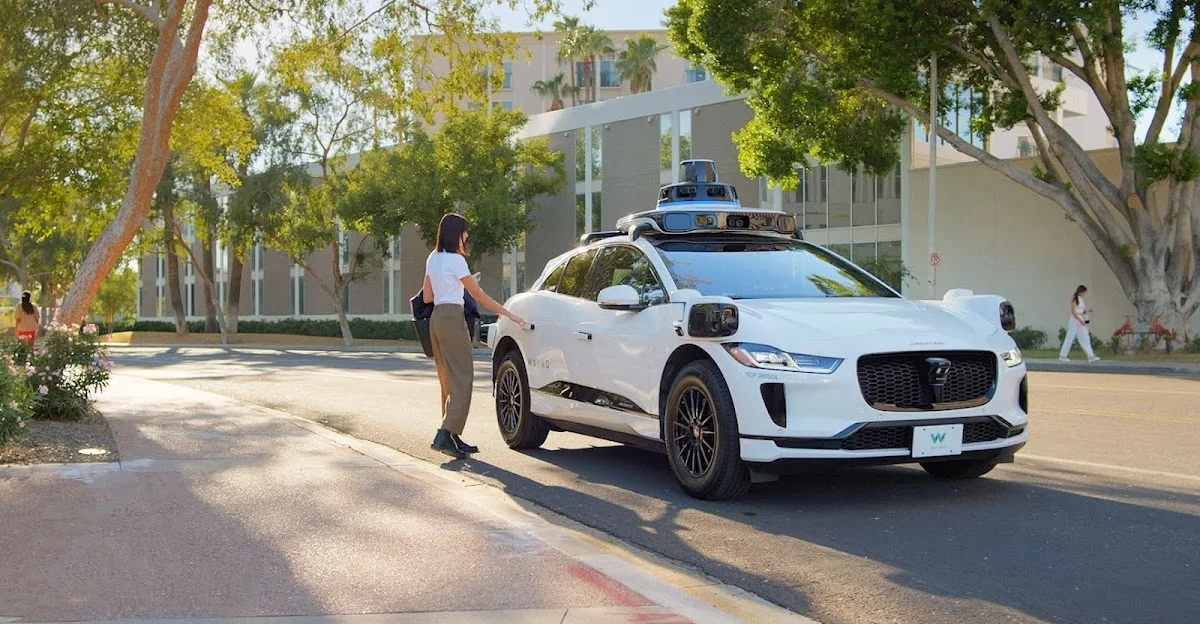
The expansion covers Miami, Dallas, Houston, San Antonio, and Orlando, with initial mapping and testing phases completed in each locale. Operations commence immediately in Miami, followed by phased rollouts in the remaining cities over the next several weeks. Public access opens progressively in 2026, prioritizing integration with local transit networks and regulatory approvals. Waymo’s fleet, comprising modified Jaguar I-Pace electric SUVs equipped with fifth-generation sensor suites, navigates these areas using a combination of lidar, radar, and high-resolution cameras for 360-degree perception.
Safety metrics underpin the rollout, with Waymo reporting 11 times fewer serious injury collisions per the Waymo Driver than human benchmarks in comparable urban settings. The system processes over 71 million autonomous miles logged through March 2025, yielding 88 percent fewer crashes with injuries or fatalities and 78 percent fewer overall injury incidents. This performance stems from continuous AI refinement, where machine learning models adapt to regional variables like pedestrian density in Miami or highway merges near Dallas-Fort Worth International Airport.
Technical architecture enables scalability across geographies. The Waymo Driver employs zonal electrical systems and edge computing for real-time decision-making, reducing latency below 100 milliseconds during obstacle avoidance. Software updates occur remotely every two weeks, incorporating data from 250,000 weekly rides to enhance path prediction accuracy by up to 15 percent per iteration. In Houston’s flood-prone districts, for instance, the AI prioritizes elevated routes using integrated weather feeds from the National Weather Service.
Deployment strategies emphasize community alignment. Waymo collaborates with city councils in San Antonio and Orlando to establish geofenced service zones, initially covering 50 square miles per city and expanding based on demand metrics. Integration with ride-hailing apps like Uber in select markets allows seamless booking, with fares projected at 20 to 30 percent below traditional taxis due to eliminated driver costs. Fleet density aims for one vehicle per 10,000 residents initially, scaling to support 100,000 monthly trips per city within the first year.
Regulatory compliance remains central, with operations adhering to National Highway Traffic Safety Administration guidelines for Level 4 autonomy. This classification permits driverless operation in defined domains without human intervention, a threshold met through rigorous validation in simulated environments replicating 10 billion virtual miles annually. Houston’s permissive permitting framework accelerates entry, while Miami’s denser layout tests the system’s handling of multicultural pedestrian flows.
Economic implications extend to local job markets and infrastructure. Autonomous fleets could displace up to 40 percent of rideshare drivers in affected metros, per Urban Institute projections, but generate roles in maintenance and data annotation. Waymo commits $50 million annually to workforce transition programs, partnering with Texas and Florida community colleges for AI technician training. Reduced accident rates promise $1.2 billion in annual insurance savings for these cities, redirected toward public transit enhancements.
Broader adoption hinges on public trust, bolstered by transparent reporting. Waymo’s safety dashboard, accessible via app, details disengagement rates—averaging 0.2 per 1,000 miles—and collision logs. In Phoenix, where operations began in 2020, rider satisfaction scores 4.8 out of 5, with 92 percent repeat usage. Orlando’s tourism corridors stand to benefit, offering seamless airport shuttles to theme parks without surge pricing.
Challenges persist in scaling. Winter testing in Dallas addresses rain-slicked roads, where sensor fusion algorithms achieve 95 percent detection reliability for hydroplaning risks. San Antonio’s integration with VIA Metropolitan Transit requires API handoffs for multi-modal trips, ensuring seamless transfers. Waymo’s flywheel model—real-world data feeding simulations—drives iterative gains, targeting 99.9 percent uptime by mid-2026.
This expansion positions Waymo as the leader in commercial autonomy, outpacing rivals like Cruise and Zoox in geographic breadth. With 2,500 vehicles operational nationwide, the company logs 250,000 rides weekly, surpassing Uber’s early robotaxi pilots. Stakeholders anticipate accelerated federal guidelines from the U.S. Department of Transportation to standardize interstate deployment.