EV Sales Plunge Without Federal Subsidies
Electric vehicle adoption in the United States faces a stark reversal as federal tax credits vanish, leaving buyers to confront full sticker prices amid persistent infrastructure gaps. October registrations dropped 30.3 percent year-over-year to 74,835 units, marking the sharpest decline since 2020 and slashing market share to 6.0 percent from 12.9 percent a month prior. Automakers scramble to adjust production lines, while hybrids emerge as the preferred bridge for cost-conscious consumers navigating higher energy costs and range limitations.
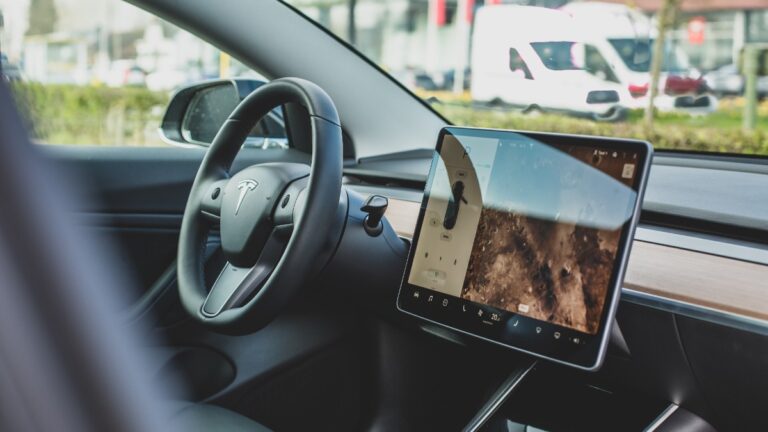
The $7,500 per-vehicle incentive, part of the Inflation Reduction Act, expired on September 30, 2025, triggering a pre-deadline rush that inflated September volumes by 18 percent before the subsequent 48 percent plunge. J.D. Power data confirms a 53 percent month-over-month sales skid, with average EV transaction prices climbing to $59,125—$10,041 above gasoline counterparts at $49,084. Tesla, the segment leader, posted a 24 percent October decline to 38,000 units after buyers front-loaded purchases. Ford, General Motors, and Stellantis idled EV assembly shifts, citing inventory buildup exceeding 100,000 units nationwide.
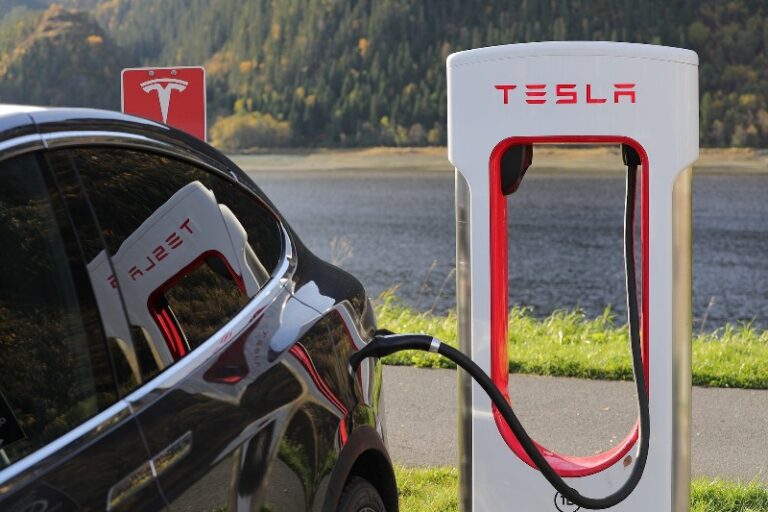
Regulatory rollbacks amplify the shift, as the Trump administration rescinds Corporate Average Fuel Economy penalties and emissions standards that targeted two-thirds of light-duty vehicles and 25 percent of heavy-duty trucks as electric by 2032. Congress overrode California’s proposed 2035 ban on internal combustion sales, preserving state flexibility but curbing national mandates. Gas prices dipped to $3.15 per gallon in September, the lowest since 2021, further dimming EV allure in rural and suburban markets where charging stations number just 168,000—up 20 percent year-over-year but unevenly distributed.
Consumer sentiment underscores the affordability barrier, with an AAA survey revealing only 16 percent of adults likely to consider an EV purchase, against 63 percent unlikely due to battery replacement costs averaging $16,000 and average range of 285 miles falling short for 40 percent of daily commuters exceeding 50 miles. Hybrids captured 8.2 percent market share in October, up from 5.1 percent, as Toyota’s Prius and Corolla Hybrid variants led with 45,000 combined sales. Ford CEO Jim Farley projected 2026 EV volumes “cut in half or more,” prompting a pivot to hybrid F-150 Lightning variants producing 50,000 units quarterly.
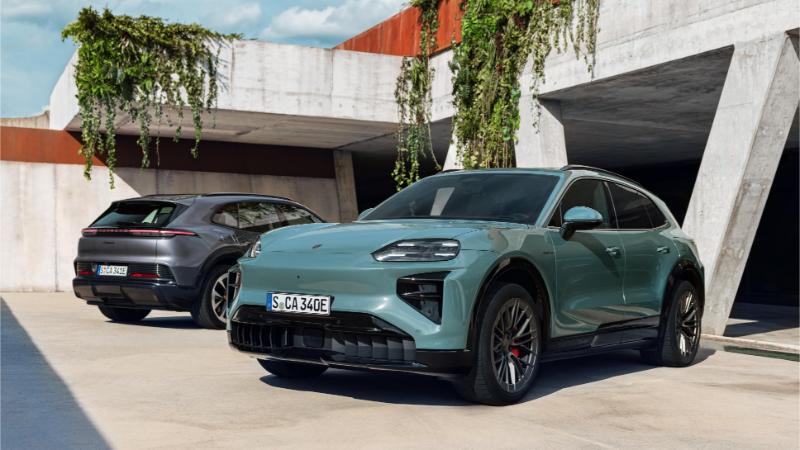
Industry executives highlight supply chain strains, with Nissan halting Rogue EV production at its Tennessee plant and Kia trimming Sorento PHEV output by 15 percent. Porsche deferred Macan Electric scaling to 2027, while Mercedes-Benz delayed EQE SUV U.S. rollout amid softening demand in coastal strongholds like California, where EV penetration fell to 22 percent from 28 percent. Scott Kunes, CEO of Kunes Auto and RV Group with 45 dealerships across the Midwest, observed consumers gravitate toward hybrids for their 45 mpg efficiency without charging dependency.
Brent Bennett, director of the Texas Public Policy Foundation’s consumer protection project, argued the subsidy elimination fosters market-driven innovation, stating, “Forcing EV production wasted billions in taxpayer dollars while ignoring consumer preferences for reliable, affordable transport.” Dealership inventories swelled 12 percent for EVs versus 3 percent for gas models, pressuring incentives to $13,161 per unit—double the industry average of $2,674.
This recalibration extends to fleet operators, where United Parcel Service deferred 10,000 Rivian electric vans, opting for biodiesel alternatives to cut logistics costs by 18 percent. Cox Automotive forecasts full-year 2025 EV sales at 1.2 million units, down from 1.4 million projected pre-expiration, with hybrids projected to reach 1.5 million. As tariffs on imported batteries rise to 25 percent under Section 301 reviews, domestic sourcing from Nevada’s lithium mines ramps up, aiming for 40 gigawatt-hours annual output by 2027.
The pivot underscores a fragmented transition, where urban early adopters sustain 35 percent of remaining EV uptake, but national barriers persist in flyover states comprising 60 percent of vehicle miles traveled. Automakers like Rivian and Lucid, reliant on 70 percent subsidy-dependent sales, face valuation pressures, with shares down 22 percent since October. This landscape compels a reevaluation of electrification timelines, balancing environmental goals against economic realities in a market where 78 percent of buyers prioritize total ownership costs under $40,000.