Automakers Discontinue 10 EV Models for 2026
Electric vehicle proliferation stalls as major manufacturers axe at least ten models ahead of 2026, citing sluggish sales, inadequate charging networks, and the abrupt end to federal incentives. These cancellations span luxury sedans to mainstream crossovers, reshaping lineups in a market where EV penetration hovers at 7.5 percent through November. Automakers redirect resources toward hybrids and refreshed gas-powered variants to recapture affordability-focused buyers amid average transaction prices exceeding $52,000.
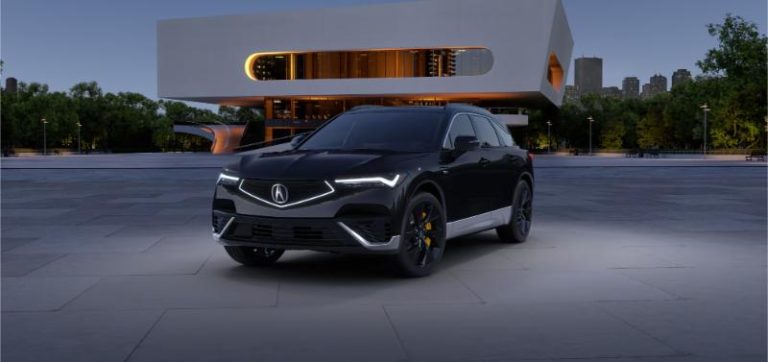
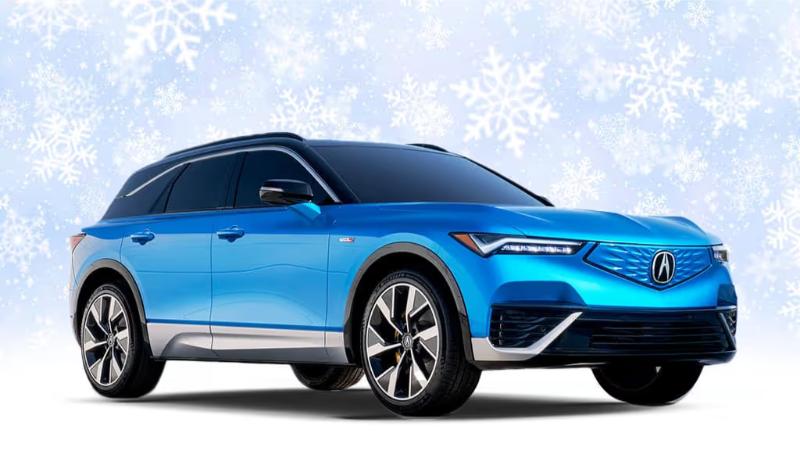
The Acura ‘ZDX’, launched in mid-2025 on General Motors’ Ultium platform, achieves 300 miles of range from a 102-kWh battery pack but sells under 5,000 units quarterly. Its discontinuation stems from overlapping Cadillac ‘Lyriq’ positioning, with Acura prioritizing a hybrid ‘MDX’ refresh for 2026 yielding 35 mpg combined. Hyundai’s ‘Electrified G80’ sedan, boasting 282 miles and 385 horsepower, moves just 1,800 units annually, overshadowed by Tesla ‘Model S’ benchmarks and internal ‘Ioniq 6’ competition.
Nissan’s ‘Ariya’ crossover, with dual-motor variants up to 389 horsepower and 304-mile range, faces termination after 12,000 U.S. sales in 2025, down 22 percent from debut year. Production halts at the Canton, Mississippi plant, freeing capacity for ‘Rogue’ hybrid assembly targeting 150,000 units. Mercedes-Benz shelves ‘EQE’ and ‘EQS’ sedans, each under 10,000 deliveries amid 15 percent segment contraction; the ‘EQE SUV’ persists with 90-kWh options for 305 miles.
Polestar’s ‘2’ hatchback, priced from $49,900 with 320-mile capability, exits after 8,500 U.S. sales, burdened by Volvo integration costs and 25 percent tariffs on imported batteries. Volvo axes ‘EX30’ subcompact, limited to 6,000 units due to right-hand-drive U.S. ineligibility and supply chain snarls from Geely’s China operations. The ‘C40 Recharge’ compact SUV follows, with 240,000 global sales insufficient to justify 2026 tooling at $200 million.
Audi trims ‘Q8 e-tron’ from 55,000 to 30,000 annual output, retaining only long-wheelbase variants at 320 miles; the base model’s 564-horsepower quad-motor setup fails to offset 18 percent inventory buildup. Rivian’s ‘R2’ mid-size SUV delays to late 2026, prioritizing ‘R1S’ scaling to 100,000 units amid $5 billion capital raise. Lucid drops ‘Air’ base trims under $70,000, focusing on ‘Gravity’ three-row SUV with 440-mile range and 800 horsepower.
These cuts reflect a 12 percent EV sales dip post-subsidy, per Cox Automotive, with hybrids surging 25 percent to 1.1 million units. General Motors idles ‘Bolt EUV’ lines after 2025 exhaustion, while Ford accelerates ‘Escape’ PHEV production to 80,000. Tariffs on Chinese components, now at 100 percent, inflate costs by $3,000 per vehicle, per JATO Dynamics.
Infrastructure lags compound issues, with public chargers at 182,000 nationwide—up 15 percent but clustered in 20 states covering 70 percent of stations. Edmunds reports 62 percent of shoppers cite range anxiety under 250 miles for daily use. Automakers like Kia pivot, launching ‘EV6’ facelifts with bidirectional charging for home backup.
Analyst Ivan Drury at Edmunds notes, “Discontinuation waves signal overambition; hybrids bridge the gap until chargers hit 500,000 by 2030.” MotorTrend’s Miguel Cortina adds, “Tariffs and incentives’ end force pragmatic retreats, but innovation persists in survivors like ‘Ioniq 5’.” U.S. producers face 16.2 million total sales forecasts, with EVs dipping to 1.1 million from 1.4 million projected.
This pruning streamlines portfolios, potentially boosting profitability 8 percent as firms like Stellantis emphasize ‘Pacifica’ hybrids at 32 mpg. For consumers, fewer choices narrow to 85 models from 110, emphasizing crossovers over sedans. As Detroit reallocates $10 billion from EV R&D to multi-powertrain flexibility, the shift tempers emissions goals but aligns with 55 percent buyer preference for under-$45,000 options blending electric efficiency and refueling ease.