Tesla Brings Cheaper Model 3 Standard to Europe
Tesla has introduced a lower-priced version of the Model 3 in European markets, mirroring a recent U.S. launch aimed at broadening access to electric vehicles amid softening demand. The Standard Range Rear-Wheel Drive trim starts at approximately €42,000 in Germany, a reduction of about €3,000 from the previous entry-level option. This move aligns with efforts to counter competition from Chinese manufacturers and sustain growth in a region where EV adoption has slowed due to high interest rates.
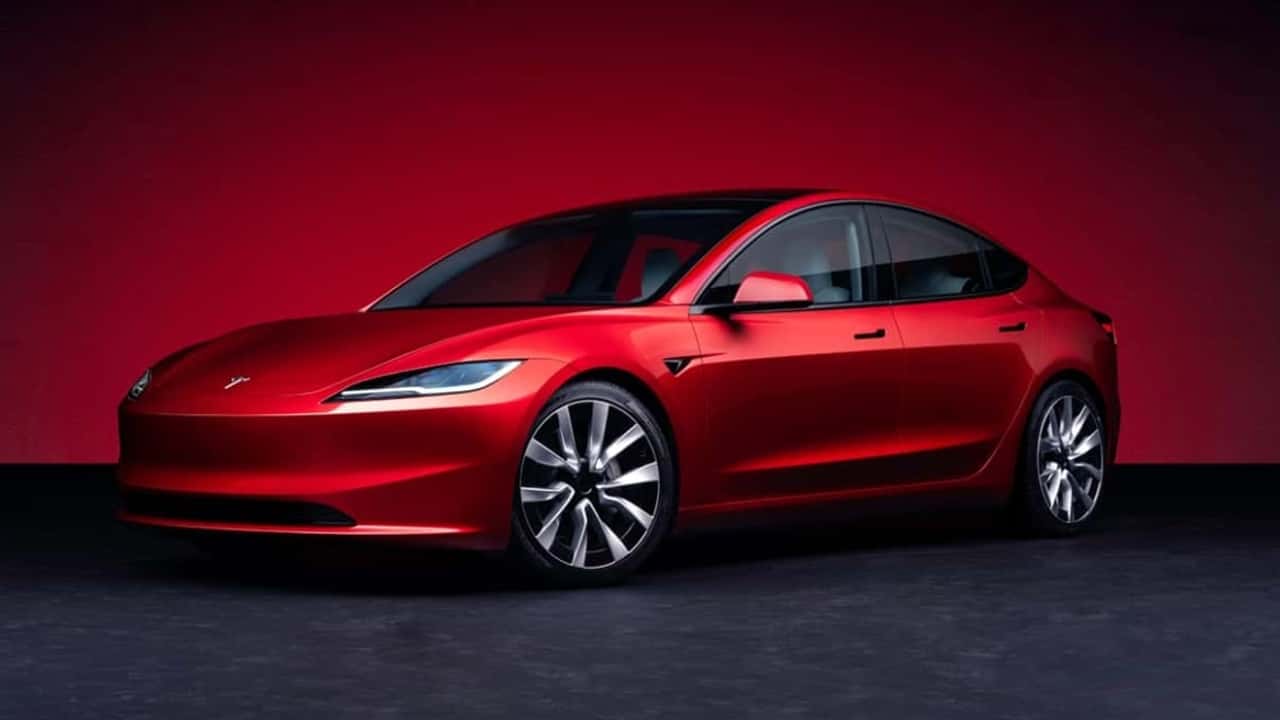
The updated Model 3, known as the Highland refresh, features a redesigned exterior with sleeker lines and improved aerodynamics, contributing to a WLTP-estimated range of 513 kilometers for the new base model. Inside, the cabin includes a rear passenger screen, ventilated front seats, and enhanced noise insulation for quieter highway driving. The single rear-mounted electric motor delivers 200 kilowatts of power, enabling acceleration from 0 to 100 kilometers per hour in 6.1 seconds.
Battery capacity stands at 60 kilowatt-hours, supporting 11-kilowatt AC charging and up to 170 kilowatts on DC fast chargers. Tesla emphasizes the vehicle’s structural battery pack, which integrates the cells directly into the chassis for better rigidity and weight distribution. Production occurs at the company’s Gigafactory in Shanghai, with deliveries expected to begin in early 2026 for European customers.
This pricing strategy reflects broader industry pressures, as European EV sales declined 11 percent year-over-year in October, according to the European Automobile Manufacturers’ Association. Tesla’s approach prioritizes volume over margins, leveraging economies of scale from its global supply chain. The company reported delivering 462,890 vehicles worldwide in the third quarter, with the Model 3 and Model Y accounting for 96 percent of that total.
Regulatory changes in the European Union, including phased reductions in subsidies, have prompted automakers to reassess strategies. Tesla’s decision to forgo certain incentives in favor of direct price cuts positions it to capture budget-conscious buyers transitioning from internal combustion engines. Analysts project this could boost Tesla’s European market share to 18 percent by mid-2026.
The Model 3 Standard includes standard features like Autopilot hardware, over-the-air software updates, and access to the Supercharger network, which spans over 50,000 stalls across Europe. Optional upgrades such as Full Self-Driving capability add €7,500, enabling advanced features like automatic lane changes and traffic light recognition. Safety ratings remain strong, with the vehicle earning a five-star Euro NCAP score for crash protection and driver assistance systems.
Competitors like the Volkswagen ID.3 and Renault Megane E-Tech offer similar ranges but lag in charging speeds and software integration. Tesla’s vertical integration, from battery production to user interface, provides a seamless experience that resonates with tech-savvy consumers. As infrastructure expands, with the EU mandating 1 million public chargers by 2025, affordability becomes the key barrier to mass adoption.
Ford and General Motors have signaled plans for sub-$35,000 EVs in response, but Tesla’s established ecosystem gives it an edge. The introduction underscores a shift toward democratizing electric mobility, potentially accelerating the phase-out of fossil fuel vehicles in urban centers. With global EV sales projected to reach 17 million units in 2025, such initiatives could hasten the tipping point for widespread electrification.