Minneapolis Council Members Propose Ban on Waymo Driverless Vehicles
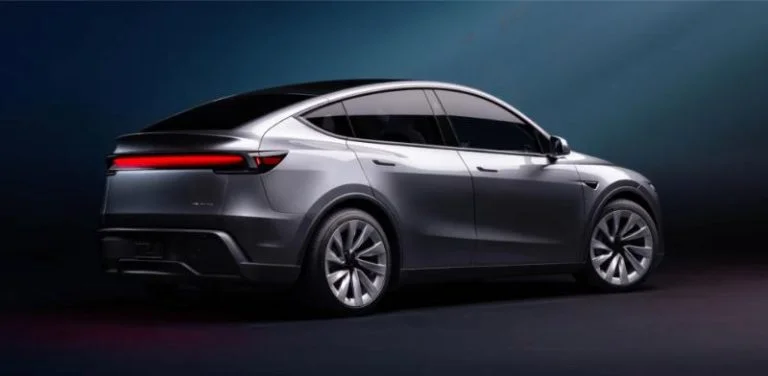
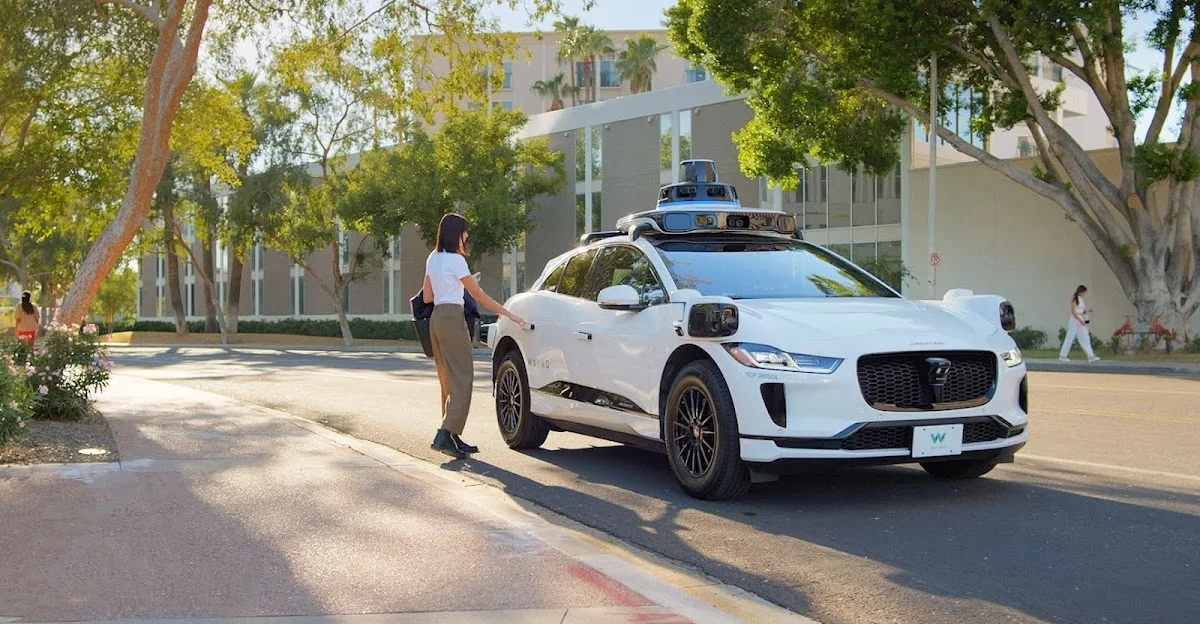
Alphabet’s Waymo has initiated testing of autonomous electric vehicles in Minneapolis, deploying Jaguar I-Pace SUVs and Zeekr RT models to map streets and validate technology in urban conditions. City council members, citing threats to local employment, are pushing for an ordinance to halt expansion until robust worker protections emerge. This clash highlights tensions between autonomous tech deployment and ride-share economies reliant on immigrant labor.
Testing commenced last month with human safety drivers behind the wheel, focusing initially on the downtown core before broadening to surrounding areas. Waymo plans to transition to fully autonomous operations without human intervention after data collection, potentially integrating with Uber for commercial ride-hailing. The fleet, equipped with LiDAR, radar, and cameras for 360-degree perception, aims to deliver rides without fatigue or distraction risks associated with human drivers.
Opposition centers on Ward 6 Council Member Jamal Osman, whose district includes a large East African community dependent on Uber and Lyft gigs. Osman warns the service could displace thousands of mostly immigrant and people-of-color drivers, echoing unregulated entry of ride-share platforms a decade ago. “It will put thousands of people out of work,” Osman stated, advocating public hearings over private executive deals.
Council Vice President Aisha Chughtai endorses a full ban, emphasizing the city should not permit experimentation on residents without safeguards. Ward 13’s Robin Wonsley intends to introduce measures prioritizing labor standards, community input, and accountability metrics for any autonomous rollout. These proposals draw support from labor unions aligned with progressive Democrats, who view the technology as wealth-extracting from local economies.
Minnesota state law remains silent on autonomous vehicle testing or passenger transport, leaving regulation to local bodies. The council holds authority to enact vehicle-for-hire ordinances, potentially mandating human presence in test phases. Waymo’s product communications manager Chris Bonelli expressed readiness to collaborate with officials on a “path toward offering our fully autonomous commercial ride-hailing service.”
Mayor Jacob Frey’s office acknowledges driverless tech’s inevitability but insists on responsible introduction via partnerships. “Driverless technology is clearly coming, but it has to be introduced responsibly and in partnership with local governments who manage the streets,” a spokesperson said. The administration welcomes ongoing talks during Waymo’s human-driven testing.
Waymo’s Minneapolis foray follows commercial launches in Phoenix, San Francisco, Los Angeles, Atlanta, and Austin, where it logs over 250,000 paid rides weekly. Expansion to cold-weather markets like Minneapolis tests all-season performance, including snow and ice handling refined through prior simulations. The company hired state lobbyists in November to address such dynamics.
Labor advocates reference San Diego’s November council pushback, where similar job-loss fears stalled growth. In Minneapolis, ride-share drivers, numbering over 10,000 citywide, face median earnings of $15 hourly after expenses, per recent union data. A ban could delay Waymo’s timeline by months, forcing legislative action in the 2026 session.
Proponents argue autonomous vehicles reduce accidents—Waymo reports 85 percent fewer crashes than human-driven cars in comparable miles. Yet public skepticism persists, with surveys showing 60 percent of Minnesotans wary of unsupervised robotaxis. Council President Elliott Payne noted regulatory flexibility exists but requires balancing innovation with equity.
This standoff underscores broader U.S. divides on auto technology, as cities like Seattle and Boston draft prohibitive rules. Waymo’s vertical integration—from sensor tech to fleet ops—positions it ahead of rivals like Cruise, but local resistance could fragment national rollout. With testing underway, Minneapolis emerges as a pivotal battleground for labor versus automation.