Volkswagen Recalls 177,000 Atlas and Cross Sport SUVs for Fire Risk
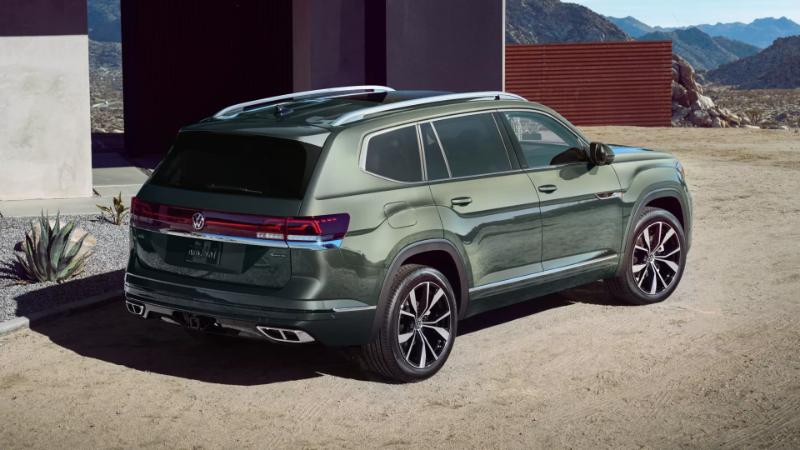
Improperly installed engine covers on nearly 177,000 Volkswagen Atlas and Atlas Cross Sport vehicles pose a fire hazard, prompting a recall announced by the National Highway Traffic Safety Administration. The covers can detach during operation, potentially contacting hot exhaust components and igniting. Affected models span 2024 and 2025 production, with dealers to inspect and secure the covers free of charge starting in January 2026.
The recall encompasses 121,000 Atlas three-row SUVs and 56,000 Atlas Cross Sport two-row crossovers, all equipped with 2.0-liter turbocharged inline-four engines producing 269 horsepower. These powertrains pair with an eight-speed automatic transmission and front- or all-wheel drive, delivering EPA estimates of 20 miles per gallon city and 27 highway for front-drive variants. Volkswagen identified the issue during routine quality audits at its Chattanooga, Tennessee assembly plant, where the vehicles are built.
Manufacturing data reveals that assembly torque specifications for the five engine cover bolts averaged 8 newton-meters, below the required 12 newton-meters, leading to insufficient clamping force. Under vibration and thermal expansion, the lightweight composite cover shifts, exposing flammable materials to temperatures exceeding 500 degrees Fahrenheit near the catalytic converter. No fires have been reported, but the agency classifies the defect as high-priority due to the fleet’s exposure on U.S. roads.
Remedy procedures involve reprogramming diagnostic software to alert owners via the infotainment system if the cover loosens, followed by physical re-torquing using calibrated tools. Volkswagen will notify owners by mid-February 2026, with loaner vehicles available for those awaiting service. The company estimates completion within 60 days, prioritizing high-mileage units based on telematics data from connected services.
This marks the third major recall for the sixth-generation Atlas since its 2024 redesign, following airbag inflator issues affecting 52,000 units and a software glitch in adaptive cruise control for 28,000. The platform, shared with the Audi Q7, incorporates modular transverse architecture for cost efficiency, but early production glitches have drawn scrutiny. Sales figures show 68,000 Atlas deliveries through November 2025, down 5 percent year-over-year amid competition from the Honda Pilot and Toyota Highlander.
Broader implications extend to Volkswagen Group’s electrification pivot, as the Atlas transitions to a hybrid variant for 2027 with a 2.0-liter turbo plus electric motor for 362 horsepower and 37 miles per gallon combined. The recall delays do not impact the upcoming ID.Buzz electric minivan rollout, but reinforce calls for enhanced supplier oversight on non-critical components. Analysts project repair costs at $15 million, negligible against the model’s $38,000 starting price.
U.S. crossover sales reached 4.2 million units in 2025, with midsize segments growing 3 percent despite affordability pressures from 9.2 percent average loan rates. Volkswagen holds 7 percent market share in this category, trailing Toyota’s 18 percent. The incident underscores persistent challenges in scaling post-Dieselgate quality controls across 12 million annual global vehicles.
As federal safety standards evolve under new administration priorities, recalls like this highlight the balance between innovation speed and reliability. Volkswagen’s response includes supplier audits at Magna International, the cover fabricator, to prevent recurrence. Owners can check VIN status via the NHTSA website or Volkswagen’s owner portal, where over 90 percent of affected vehicles register for proactive alerts.