GM Accelerates Chevy Bolt Production to 200,000 Units Annually
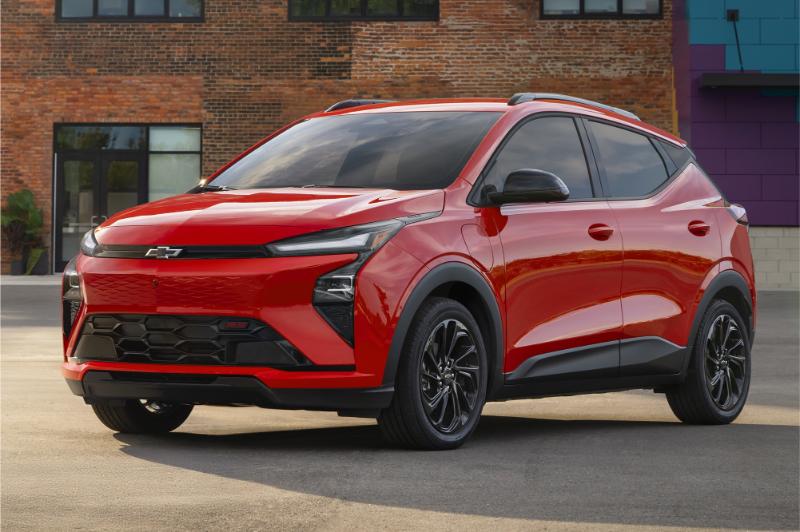
General Motors has ramped up production of the revived Chevrolet Bolt EV and Bolt EUV to 200,000 units per year at its Fairfax Assembly plant in Kansas, addressing surging demand for affordable electric vehicles under $30,000. The move, announced during a December 5 investor call, leverages a new 65-kilowatt-hour lithium-iron-phosphate battery pack sourced from Ultium Cells, reducing costs by 20 percent compared to previous nickel-manganese-cobalt cells. This expansion counters November’s 28 percent drop in overall U.S. EV sales to 78,000 units, per Cox Automotive data, by prioritizing entry-level models amid the expiration of federal tax credits.
The Fairfax facility, idled since early 2023 for retooling, now operates two shifts with 2,500 workers, incorporating automated battery assembly lines capable of 500 packs daily. The 2026 ‘Bolt EV’ hatchback delivers 265 miles of EPA-estimated range and accelerates from 0 to 60 miles per hour in 6.5 seconds via a single 150-kilowatt rear motor. Its sibling, the ‘Bolt EUV’ crossover, adds 10 cubic feet of cargo space behind the second row and optional all-wheel drive for $2,500 more, targeting families in urban markets like Detroit and Atlanta. Deliveries commence in February 2026, with initial allocations favoring California and Texas dealerships.
GM’s strategy emphasizes bidirectional charging, enabling the Bolt models to power home appliances at up to 7.7 kilowatts during outages, a feature tested in 10,000 pilot vehicles since April. Chief Financial Officer Paul Jacobson highlighted the program’s role in grid stabilization, stating, “These vehicles aren’t just transport; they’re energy assets returning value to owners through vehicle-to-grid incentives.” The platform shares 70 percent of components with the Equinox EV, streamlining supply chains and achieving a 15 percent reduction in manufacturing emissions per vehicle. Annual output projections include 120,000 Bolt EVs and 80,000 EUVs, capturing an estimated 8 percent of the sub-$35,000 segment.
Competitors like Ford and Hyundai face delays in their budget EV launches, with the Mustang Mach-E starting at $39,995 and the Kona Electric at $34,000. GM’s pricing holds the Bolt EV at $26,500 and the EUV at $29,000 before incentives, undercutting rivals by up to $8,000. Safety ratings from the National Highway Traffic Safety Administration grant five stars across categories, bolstered by standard adaptive cruise control and automatic emergency braking. The battery’s 10-year, 100,000-mile warranty covers degradation below 70 percent capacity, aligning with industry standards from Tesla and Rivian.
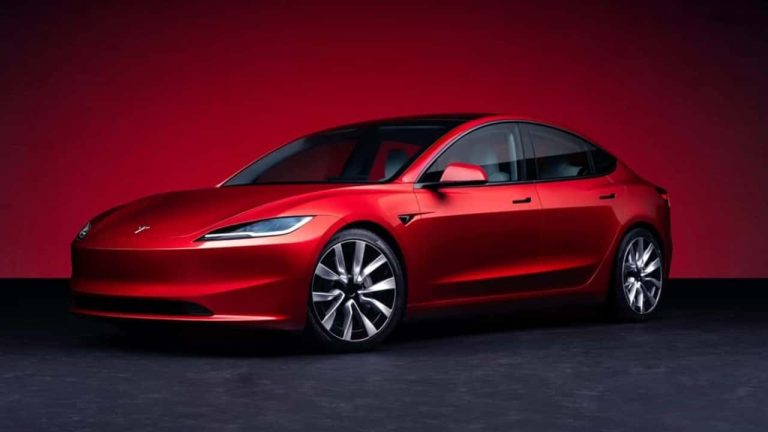
This resurgence positions the Bolt lineup to challenge Tesla’s Model 3 dominance in the compact segment, where year-to-date sales lag 12 percent behind 2024. BloombergNEF analysts forecast the Bolts contributing 15 percent to GM’s 450,000-unit EV target for 2026, supported by $7 billion in federal grants for domestic battery production. Integration with GM’s Super Cruise hands-free driving system, available on higher trims, extends to 400,000 miles of mapped highways. As affordability pressures persist with average new-vehicle prices at $48,250, the Bolt’s revival underscores a pivot toward accessible electrification for middle-income buyers.