Automakers Discontinue Multiple EV Models for 2026
Electric vehicle adoption faces setbacks as major automakers cancel several models slated for 2026 production. Low sales figures, escalating tariffs on imported batteries, and diminished federal tax incentives under the new administration contribute to the pullbacks. U.S. consumers, who accounted for 1.2 million EV registrations in 2025, now confront reduced choices in the segment.
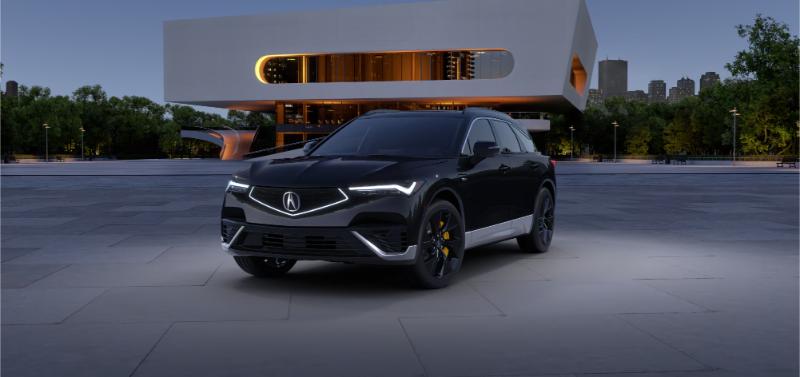
Acura terminates the ZDX after two model years. The crossover, launched in 2024 with a starting price of $64,500, sold fewer than 20,000 units nationwide. Powered by General Motors’ Ultium platform, it offered up to 313 miles of EPA-estimated range via a 102-kWh battery pack. Acura cited shifting market dynamics and insufficient demand as primary factors.
Nissan pauses U.S. sales of the Ariya indefinitely. Introduced in 2023, the compact SUV delivered 205 to 289 miles of range depending on the trim, with dual-motor all-wheel drive configurations producing up to 335 horsepower. Cumulative sales reached 35,000 units by late 2025, hampered by supply chain disruptions and competition from the Tesla Model Y, which captured 25 percent of the midsize EV SUV market.
Genesis ends production of the Electrified G80 sedan. The luxury model, available since 2023, featured a 114-kWh battery for 282 miles of range and 365 horsepower from its dual electric motors. Only 1,800 units found U.S. buyers, overshadowed by rivals like the BMW i5. A refreshed variant persists in Europe and South Korea, but U.S. operations shift focus to the GV60 and Electrified GV70.
Mercedes-Benz withdraws the EQE, EQS sedans, and EQB SUV from the 2026 lineup. The EQE provided 305 miles of range with its 90.6-kWh battery, while the EQS extended to 352 miles; the EQB compact SUV managed 227 miles. Combined sales totaled under 15,000 units in 2025, affected by polarizing designs, a convoluted naming system, and 25 percent tariffs on China-sourced components. The brand redirects resources to hybrid powertrains amid cooling EV demand.
Polestar exits the U.S. market with the discontinuation of the Polestar 2 liftback. The vehicle, equipped with a 82-kWh battery yielding 320 miles of range and 408 horsepower, sold 12,000 units domestically in 2025. Steep tariffs on its Chinese assembly, rising to 100 percent under recent trade policies, render imports unviable. Polestar pivots to European expansion.
Ram shelves the 1500 REV full-size pickup. The electric truck promised 500 miles of range and 654 horsepower from four motors, targeting a 2025 debut. Deferred demand for heavy-duty EVs, coupled with battery cost inflation exceeding 15 percent year-over-year, prompts a switch to plug-in hybrid variants using the existing Hurricane inline-six engine.
Dodge cancels the high-performance Charger SRT Daytona Banshee variant. Building on the Charger Daytona’s 670-horsepower dual-motor setup with 241 miles of range, the Banshee aimed for over 800 horsepower. Lukewarm reception to the base electric Charger, with under 5,000 pre-orders, leads to lineup rationalization favoring combustion options like the twin-turbo inline-six.
Porsche delays the electric K1 three-row SUV indefinitely. Conceived on the Premium Platform Electric architecture shared with the Cayenne, it projected 400 miles of range and Level 3 autonomy features. Production timelines slip due to infrastructure bottlenecks and consumer preference for plug-in hybrids, with internal combustion and hybrid editions prioritized for 2027.
Maserati abandons the MC20 Folgore electric supercar. The model planned 620 horsepower from three motors and a 20-minute charge time for its 800-volt system. Pre-production testing revealed integration challenges with the carbon-fiber chassis, compounded by softening luxury EV sales. The V6-powered MC20 continues unchanged.
These cancellations reflect a broader industry contraction, with EV market share dipping to 7.5 percent in Q4 2025 from 8.2 percent earlier in the year. Art Wheaton, director of labor studies at Cornell University, described the environment as “a brutal market” driven by policy shifts and economic pressures. Automakers now emphasize hybrids, projecting 2 million U.S. hybrid sales in 2026 against 1.1 million for pure EVs.