Tesla Faces Scrutiny Over Texting-While-Driving Feature in New Software Update
Tesla’s latest over-the-air software release introduces a feature allowing drivers to compose and send text messages using the infotainment touchscreen while the vehicle operates. The update, version 2025.44.25.1, integrates with the brand’s Full Self-Driving Supervised system but requires the driver’s eyes to remain on the road via cabin camera monitoring. U.S. regulators and safety groups question the design’s compliance with hands-free laws in 30 states, where manual phone interaction constitutes distracted driving.
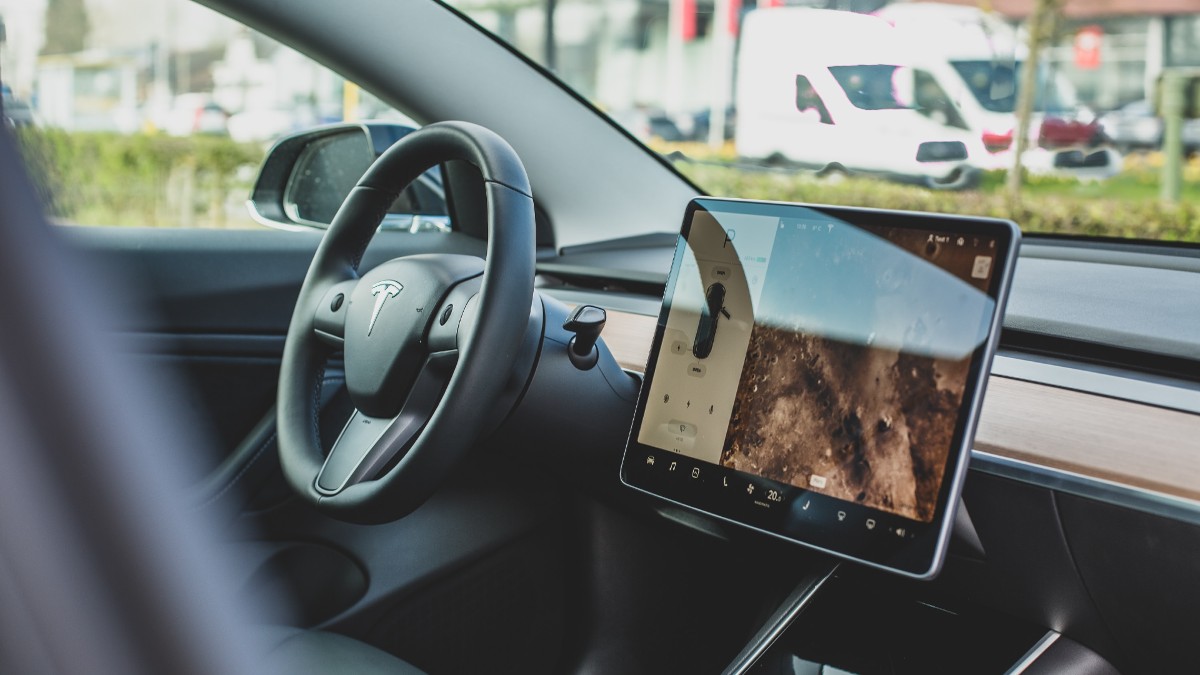
The feature activates through the messaging app on the 15-inch central display, supporting iMessage and SMS with predictive text and voice dictation options. It mandates torque on the steering wheel every 15 seconds and gaze redirection alerts after five seconds of inattention. Tesla reports the system reduces eye-off-road time by 40 percent compared to handheld texting, based on internal beta testing with 500 participants averaging 2.3 hours daily drive time.
National Highway Traffic Safety Administration officials confirm no formal investigation yet but note the agency’s 2024 probe into 2.4 million Autopilot-related incidents, including 13 fatalities linked to distraction. The Insurance Institute for Highway Safety classifies touchscreen texting as high-risk, equivalent to 0.08 percent blood alcohol impairment. California, home to 45 percent of U.S. Tesla registrations, enforces a $20 fine per violation under Vehicle Code 23123.5.
Advocacy organization End Distracted Driving Now petitions for a recall, citing 3,142 annual U.S. fatalities from phone use per National Safety Council data. Tesla counters that the feature enforces safer practices than traditional keyboards, with 92 percent of beta users reporting quicker returns to road focus. The update rolled out to 1.2 million vehicles equipped with Hardware 4 computers, excluding older models limited to basic Autopilot.
Broader industry trends show 68 percent of 2025 vehicles incorporating voice assistants for messaging, per J.D. Power surveys, but Tesla’s touchscreen approach diverges from rivals like Ford’s SYNC 4, which routes all inputs through microphones. General Motors paused similar in-car texting trials in 2024 after NHTSA feedback. Ford executive Lisa Drake stated, “Safety demands zero tolerance for visual distractions; voice is the only path forward.”
Tesla’s Q4 2025 delivery guidance projects 512,000 units, down 2 percent year-over-year amid softening EV demand post-tax credit expiration. The company invests $2.5 billion in software validation, including 10,000 simulated miles per feature iteration on Dojo supercomputers. Critics argue real-world validation lags, with Federal Motor Vehicle Safety Standard 125 requiring unobstructed driver control.
State attorneys general in New York and Texas prepare inquiries, potentially affecting insurance premiums that rose 15 percent for Tesla owners in 2025. The feature’s opt-in status allows deactivation via settings menu, but default enabling prompts user complaints on forums. Tesla updates firmware weekly, with version 2025.44.30 slated for December 14 addressing alert sensitivity.
This development coincides with Tesla’s Robotaxi unveil delayed to October 2026, focusing regulatory efforts on autonomy certification. U.S. EV market share holds at 7.9 percent through November, buoyed by Cybertruck production ramping to 250,000 units annually at Giga Texas. Safety enhancements like the feature aim to rebuild consumer trust eroded by 22 percent of owners reporting near-misses in 2025 surveys.