Tesla Expands Robotaxi App to Nine New Markets Ahead of 2026 Production
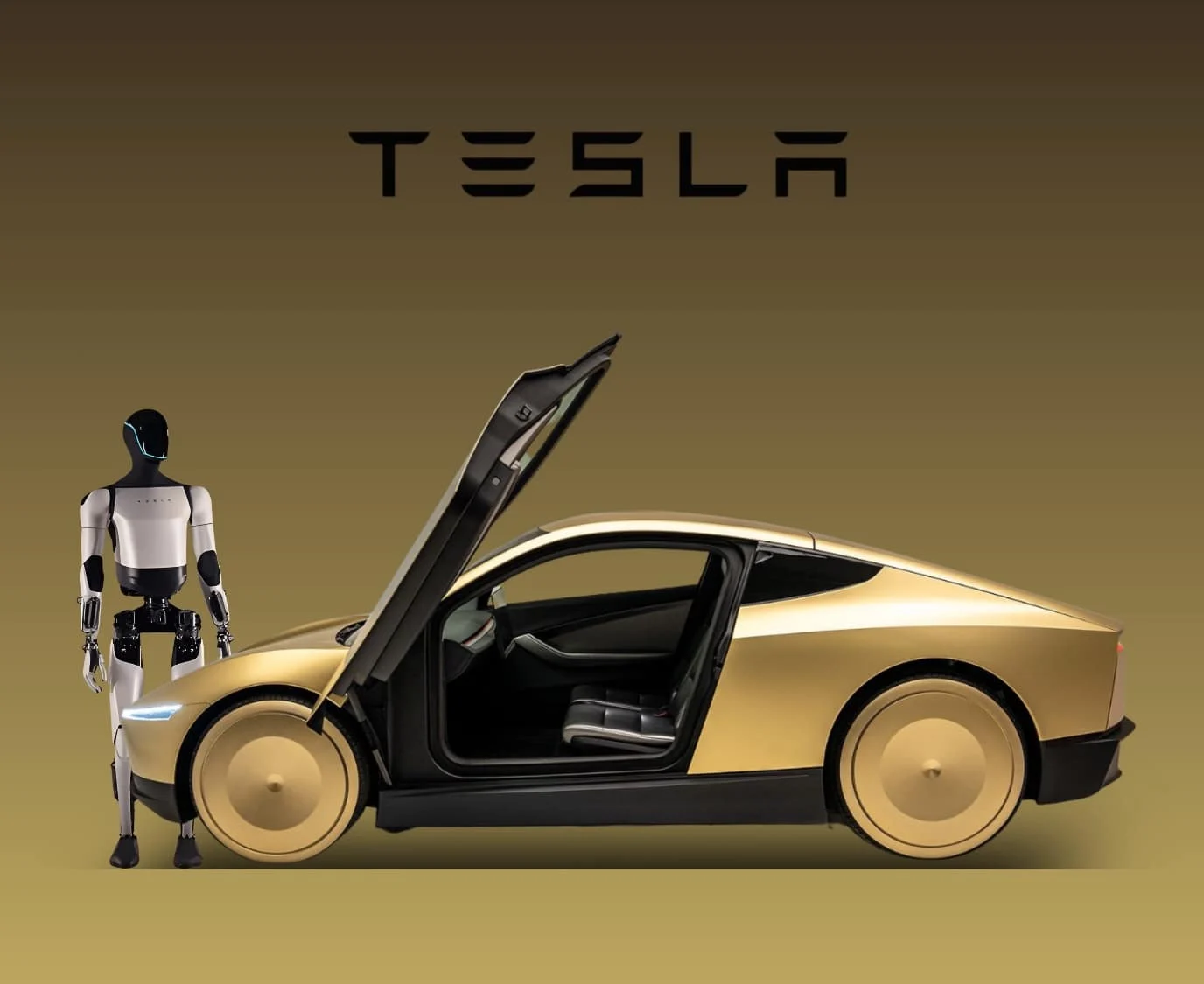
Tesla released its Robotaxi app to users in nine additional countries, enabling early access to ride-hailing features powered by the company’s Full Self-Driving software. The expansion follows the October 2024 unveiling of the Cybercab vehicle, a two-passenger autonomous pod designed for unsupervised operation without a steering wheel or pedals. The app’s rollout targets regions with existing Tesla infrastructure, including Supercharger networks, to test demand and integration before full fleet deployment.
The app, previously limited to the United States and Canada, now supports iOS downloads in Japan, Thailand, Hong Kong, South Korea, Australia, Taiwan, Macau, New Zealand, and Mexico. Users can view estimated fares, track rides in real time, and access live activities for charging status updates. Tesla’s supervised Robotaxi service, which requires safety monitors, currently operates in Austin, Texas, and the San Francisco Bay Area, with Arizona permits granted last month for ride-hailing expansion.
Cybercab production is scheduled to begin in 2026 at Tesla’s Fremont, California, factory, with volume scaling to one million units annually by 2027. The vehicle features inductive charging at 20 kW and a target operating cost of $0.20 per mile, undercutting traditional ride-sharing by 40 percent. Tesla plans to deploy initial unsupervised fleets in Austin by late 2025, removing safety drivers as Full Self-Driving version 14 achieves regulatory approval in Texas.
The expansion coincides with Tesla’s push into eight to ten U.S. metropolitan areas by year-end, including potential sites in Phoenix and Los Angeles. In Austin, the fleet will double to approximately 60 vehicles next month, up from 29 tracked units, though short of the 500-vehicle target for unsupervised operations. Tesla’s end-to-end neural network processes 1.3 billion miles of real-world data daily, enabling edge-case handling like sun glare and debris avoidance.
Internationally, the app’s availability signals Tesla’s intent to localize Robotaxi services, with Japan and South Korea prioritized for their dense urban grids and high EV adoption rates exceeding 20 percent. Australian regulators have approved testing in Sydney, where the app integrates with local mapping for right-hand drive navigation. Tesla’s strategy leverages over-the-air updates to refine autonomy, with version 14 introducing enhanced reasoning for parking and intersection decisions.
Challenges persist, including federal scrutiny from the National Highway Traffic Safety Administration over incident reporting. Waymo, a competitor, recalled 1,207 vehicles this week for software errors in remote operations, highlighting reliability hurdles. Tesla counters with its vision-only system, eschewing lidar to reduce costs by 70 percent per vehicle.
For U.S. consumers, the app’s broader reach previews a network where owners can add personal vehicles to the fleet, earning revenue during idle hours. Elon Musk stated on X that Robotaxi represents 90 percent of Tesla’s long-term value, projecting $10 trillion in market opportunity by 2030. The move aligns with declining EV sales, shifting focus to software margins exceeding 80 percent.