F1 Unveils Radical 2026 Regulations for Lighter, Nimbler Cars
Formula 1 is set for its most significant technical overhaul in decades with the 2026 regulations. The changes aim to produce more agile cars capable of closer racing through revised aerodynamics, power units, and chassis dimensions. These rules attract new manufacturers while emphasizing sustainability.
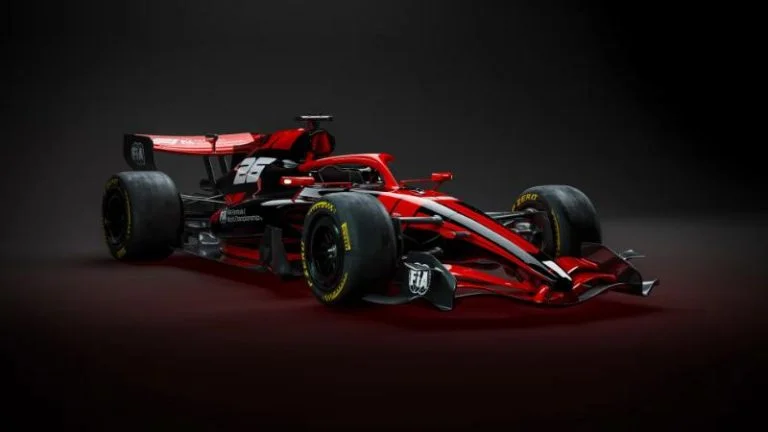
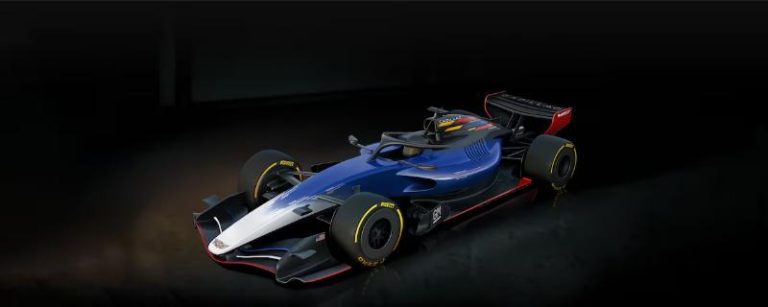
Cars will shed approximately 30 kilograms compared to current models. Wheelbase shortens by 200 millimeters to 3400 millimeters maximum. Overall width narrows by 100 millimeters to 1900 millimeters. These reductions enhance maneuverability and reduce inertia during direction changes.
Power units retain the 1.6-liter V6 turbocharged architecture but shift to a near 50-50 split between internal combustion and electric output. Internal combustion power drops to 400 kilowatts. Electric deployment rises dramatically from 120 kilowatts to 350 kilowatts. The complex MGU-H heat recovery system eliminates to simplify design and cut costs.
Battery energy recovery and deployment increase substantially. Total energy output reaches over 1000 horsepower in certain modes. All cars run on fully sustainable advanced fuels developed from non-food sources or waste materials.
Aerodynamics introduce active elements replacing the current DRS system. Front and rear wings feature two-position modes: Z-mode for high downforce in corners and X-mode for low drag on straights. Drivers activate these modes in designated zones to facilitate overtaking.
A new Manual Override system provides the pursuing car additional electric boost when within one second of the leader. This boost deploys strategically on straights to close gaps and enable passing maneuvers.
Tires remain 18-inch Pirelli units but narrow: front by 25 millimeters and rear by 30 millimeters. This reduces drag and contributes to weight savings. Wheel covers return in simplified form to manage wake turbulence.
Ground effect aerodynamics continue but with less complex floor designs. In-ground side structures replace to control airflow more predictably. The diffuser receives modifications for better wake management behind cars.
These regulations draw commitments from six power unit suppliers: Ferrari, Mercedes, Honda, Audi, Red Bull Powertrains with Ford, and Cadillac entering in 2029. Cost caps on power unit development implement to level competition.
The changes prioritize closer wheel-to-wheel racing through reduced dirty air impact and enhanced overtaking tools. Cars become shorter, narrower, and lighter overall. Electric power dominance grows while retaining hybrid technology relevance.
Pre-season testing schedules for early 2026 at Barcelona and Bahrain circuits. The season commences in Australia with these evolved machines.