U.S. Electric Vehicle Sales Decline for First Full Year Since 2019
U.S. electric vehicle sales tracked toward approximately 1.275 million units delivered in 2025. This figure represented the first year-over-year decline since the modern EV market emerged. Battery-electric vehicles captured around 7.8 percent of total new light-vehicle sales nationwide. Overall industry deliveries grew modestly by about 2 percent during the same period.
Cox Automotive projections indicated fourth-quarter EV volume near 230,000 units. This marked a 46 percent drop from third-quarter levels and a 37 percent reduction compared to the prior year. Federal tax credit expiration in September contributed significantly to softened demand patterns. Manufacturers responded with elevated incentives to clear remaining inventory.
Hybrid powertrains gained substantial market share amid the shift. Plug-in hybrid and conventional hybrid sales expanded rapidly in multiple segments. Consumers prioritized efficiency without full dependence on charging infrastructure. Traditional internal combustion models maintained dominance in truck and large SUV categories.
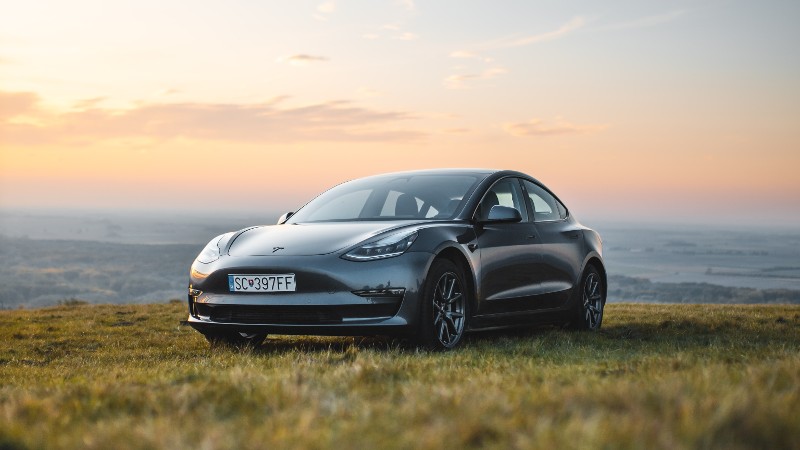
Tesla retained leadership in battery-electric deliveries despite moderated growth. The company adjusted pricing multiple times throughout the year to stimulate volume. Competitors including General Motors, Ford, and Hyundai scaled back certain EV production plans. Policy uncertainties influenced long-term investment decisions across the sector.
Inventory levels for electric models reached multi-month supplies at dealers. Days’ supply metrics exceeded industry averages in several regions. Transaction prices reflected deeper discounts on select configurations. Lease programs incorporated reduced residuals to improve affordability.
Charging network expansion continued with major operators adding capacity. Public DC fast-charging stations increased nationwide supporting longer-range travel. Home installation programs gained traction among new EV buyers. Infrastructure growth lagged peak adoption forecasts from prior years.
Analysts attributed the slowdown to multiple converging factors. Higher interest rates impacted financing costs for big-ticket purchases. Range anxiety persisted in rural and cold-weather markets. Resale value concerns emerged following rapid depreciation in early models.
Global contrasts highlighted regional differences in adoption rates. Chinese manufacturers achieved nearly 50 percent electric penetration domestically. European markets recorded mixed results with incentive adjustments. Battery-electric registrations rose 38 percent in November across key countries.
This outcome signaled a transitional phase for U.S. electrification efforts. Manufacturers emphasized hybrid lineups for near-term volume stability. Upcoming affordable models targeted mainstream price points below $35,000. Battery cost reductions supported improved margins over time.
Industry observers anticipated stabilization entering 2026. Regulatory frameworks evolved amid changing administration priorities. Domestic production emphasis grew through localized supply chains. The segment remained positioned for gradual recovery supported by technological advancements.