The Most Expensive Car Breakdown Starts Quietly As Mechanic Reveals The Mistake Owners And Quick Lube Shops Make
Most drivers assume that taking their vehicle in for a scheduled oil change acts as a complete reset for the engine’s health. They believe a new filter and fresh fluid guarantee peace of mind for the next few thousand miles. This common assumption often leads to a false sense of security that can prove fatal for a modern vehicle. Many car owners unknowingly drive their vehicles toward a catastrophic failure while believing they are doing everything right.
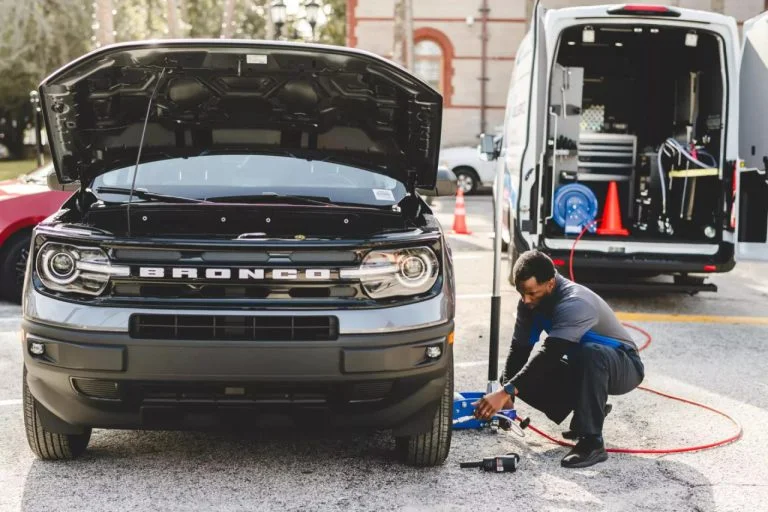
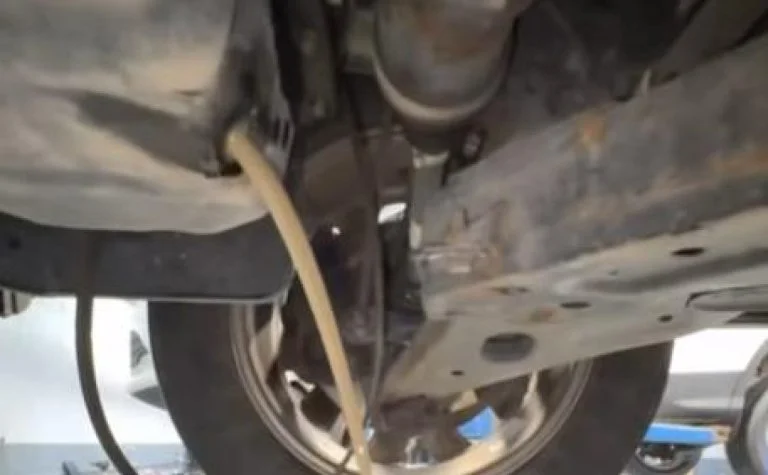
An American mechanic named Patrick Walsh has issued a serious warning regarding this specific maintenance habit. He argues that the problem is not necessarily owner negligence but rather the standard operating procedure at many quick service locations. These shops are designed for speed and efficiency above all else. Technicians typically lift the car and drain the old oil immediately without checking the current level first.
This standard practice effectively erases critical data regarding the engine’s health and consumption habits. If a vehicle enters the shop with only one quart of oil remaining in the sump the technician drains it and refills it to the correct level. The owner leaves with a full engine and no knowledge that their car was dangerously close to seizing. This cycle repeats until the engine sustains irreversible damage from oil starvation during the driving interval.
Modern engines are particularly susceptible to this issue due to their design for fuel efficiency and direct injection technology. These engineering choices often lead to carbon buildup on the piston rings which compromise their seal and allow oil to burn in the combustion chamber. This type of consumption is often silent and invisible because it does not produce blue smoke or leave puddles on the garage floor. The catalytic converter often masks the smoke until the consumption becomes excessive.
Drivers who rely solely on dashboard warning lights are often waiting for a notification that comes too late to save the machinery. The oil pressure light typically illuminates only when the level is critically low and internal friction has already caused significant wear. Walsh notes that engines can run smoothly for years while slowly increasing their oil appetite. The sudden jump in consumption catches owners off guard if they never manually check the dipstick.
There are subtle auditory warning signs that alert attentive drivers to the developing problem before it becomes a five-figure repair bill. A rattling noise from the timing chain during a cold start is a primary indicator that the hydraulic tensioners lack sufficient oil pressure. An engine that sounds rough or ticks while idling may also be suffering from low lubrication levels. These symptoms indicate that dry starts are slowly grinding down the internal metal components.
The only way to prevent this silent destruction is to return to the basics of automotive care regardless of modern sensors. Walsh advises every driver to physically check their oil level using the dipstick periodically between scheduled services. Trusting the manufacturer’s extended service intervals or the lack of dashboard warning lights is a gamble with high stakes. Taking a few minutes to verify the fluid level can save the engine from an early grave.
Let us know in the comments if you check your own oil level between services or if you rely entirely on the warning lights.