The Unexpected Resurgence Of The Internal Combustion Engine
For years, the automotive industry seemed locked on a single trajectory: a rapid, non-negotiable transition to electric vehicles. Manufacturers set aggressive deadlines to phase out fossil fuels, and governments enacted strict bans. However, late 2025 has delivered a plot twist that few analysts predicted. The internal combustion engine, once written off as a relic of the past, has secured a surprising lifeline, driven by softened regulations and a stark reality check regarding consumer demand.
The most significant signal of this shift comes from Europe, where the regulatory landscape has evolved. The stringent Euro 7 emissions standards, initially feared as the final nail in the coffin for traditional engines, were ultimately watered down. Instead of forcing an immediate end to gas-powered development, the revised rules have provided automakers with a window to update their existing powertrains. This regulatory relaxation has allowed major brands to rethink their “EV-only” strategies, pivoting instead toward a future where gas engines and electric motors coexist for longer than anticipated.
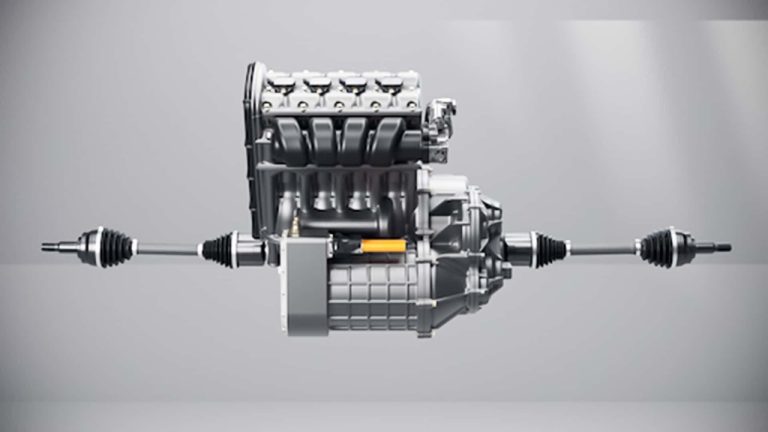
Porsche has emerged as a headline example of this strategic U-turn. Industry reports indicate that the German automaker is reverse-engineering its upcoming platforms to accommodate internal combustion engines alongside electric powertrains. The 718 Boxster and Cayman, previously slated to go entirely electric, are now expected to retain gas-powered variants, likely utilizing updated versions of the beloved flat-six engine. According to sources familiar with the decision, the adjustment ensures that these iconic sports cars remain viable for enthusiasts who aren’t ready to abandon the visceral experience of a gas engine.
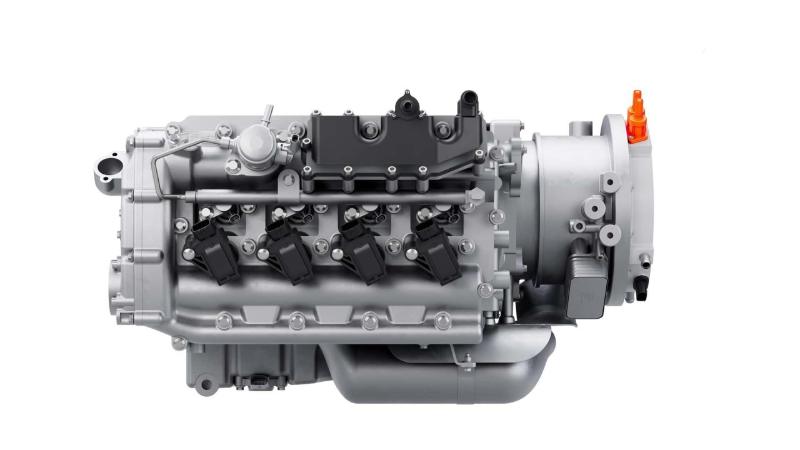
This reversal isn’t limited to a single luxury brand; it reflects a broader industry trend where pragmatism is overriding idealism. While companies like Nissan previously declared a halt to internal combustion investment, the market reality in late 2025 tells a different story. With electric vehicle adoption slowing due to high costs and infrastructure gaps, manufacturers are realizing that a complete and immediate abandonment of traditional technology is financially risky. The “all-in” approach has given way to a balanced strategy, ensuring that petrol and hybrid options remain available to fund the eventual electric transition.
Even the European Union’s landmark 2035 ban on internal combustion cars has faced scrutiny and adjustment. Recent moves by European officials suggest a willingness to ease the mandate, potentially requiring a 90 percent emissions reduction rather than the originally proposed 100 percent. This slight legislative opening creates space for high-efficiency engines and synthetic fuels to remain on the road, proving that the technology has more stamina than its critics believed.
We want to know if you think saving the gas engine is the right move for the car industry or if it’s just delaying the inevitable. Share your thoughts in the comments.