10 Weird Traffic Rules You Should Know When Traveling Abroad
Driving in a new country can be an exciting adventure but it also comes with potential legal pitfalls. While most traffic regulations are standard across the globe, some nations enforce rules that might seem baffling to outsiders. We have highlighted several unique laws that could easily catch tourists off guard. Being aware of these oddities is essential for ensuring a stress-free road trip.
In the United Kingdom, you must be extremely careful when driving through puddles near pedestrians. Splashing someone with water from the road is considered a serious offense that can lead to surprisingly hefty fines. Police officers can issue tickets ranging from one hundred to five thousand pounds for this specific act. It is legally viewed as aggressive driving and shows a lack of consideration for others.
Switzerland takes noise pollution very seriously and has strict rules to maintain peace during the night. Between the hours of 10 pm and 7 am, drivers are prohibited from slamming car doors or hoods loudly. You are also required to switch off your engine while waiting at traffic lights to reduce noise and emissions. Sudden acceleration that disturbs the peace in residential areas is also forbidden.
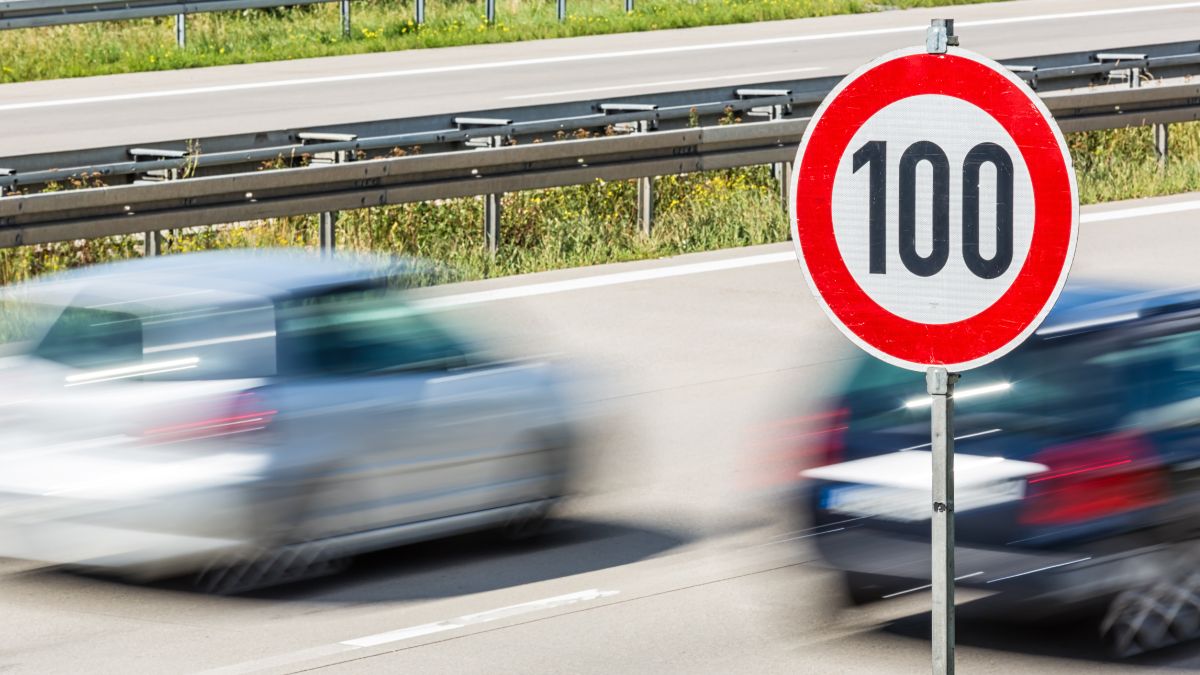
Germany is famous for its Autobahn system where there are often no speed limits. However, it is strictly illegal to stop your vehicle on these highways unless it is a genuine emergency. Running out of fuel is considered a preventable occurrence and is therefore a punishable offense. You must ensure your tank is sufficiently full before entering these high-speed roads.
Travelers heading to the United States should be aware of some very specific local ordinances. In Youngstown, Ohio, the law states that you are not allowed to run out of gas while driving. Authorities want to prevent stalled vehicles from blocking intersections and causing danger to other drivers. Meanwhile, Fenwick Island in Delaware bans sleeping, changing clothes, or even cooking inside your vehicle.
New Jersey has a unique punishment for those convicted of driving under the influence. If a driver is caught drunk or reckless, the state can ban them from obtaining a personalized license plate for ten years. This serves as a specific administrative penalty on top of other legal consequences. It acts as a long-term reminder of the infraction.
Australia has strict safety laws regarding keeping your limbs inside the vehicle. It is illegal to drive with your arm or any other body part hanging out of the window. This rule exists to prevent injuries from passing vehicles or roadside obstacles. The only exception is when a driver needs to use hand signals because their indicators are malfunctioning.
In Cyprus, keeping both hands on the wheel is a priority for lawmakers. Drivers are strictly forbidden from eating or drinking anything while the vehicle is in motion. This law aims to minimize distractions that could lead to accidents. Even taking a sip of water could theoretically result in a fine if a police officer spots you.
France has empowered local communities to help enforce speed limits in their areas. Volunteer groups can use speed radar devices to monitor traffic and report speeding drivers to the police. Law enforcement can then issue fines based on these community reports. This system encourages locals to take an active role in road safety.
Finally, Ecuador battles traffic congestion and accidents with a system based on license plate numbers. In certain cities, vehicles are banned from the roads on specific days or during peak hours depending on the last digit of their plate. This rule helps reduce the number of cars on the street and curbs pollution. Tourists should always check the local schedule before driving a rental car there.
If you have encountered any other strange driving laws on your travels, please share your thoughts in the comments.