Europe Surprised As Little Known Plug In Hybrid Beats VW Tiguan And Ford Kuga In Sales
European automakers are facing a harsh new reality as a relatively obscure vehicle has suddenly climbed to the top of the sales charts. New data reveals a seismic shift that few industry experts predicted would happen this quickly. The automotive landscape is changing rapidly with the arrival of aggressive and well-funded competitors from China. One specific model has managed to outsell established favorites in the important plug-in hybrid segment. This event signals that brand heritage may no longer be the deciding factor for consumers.
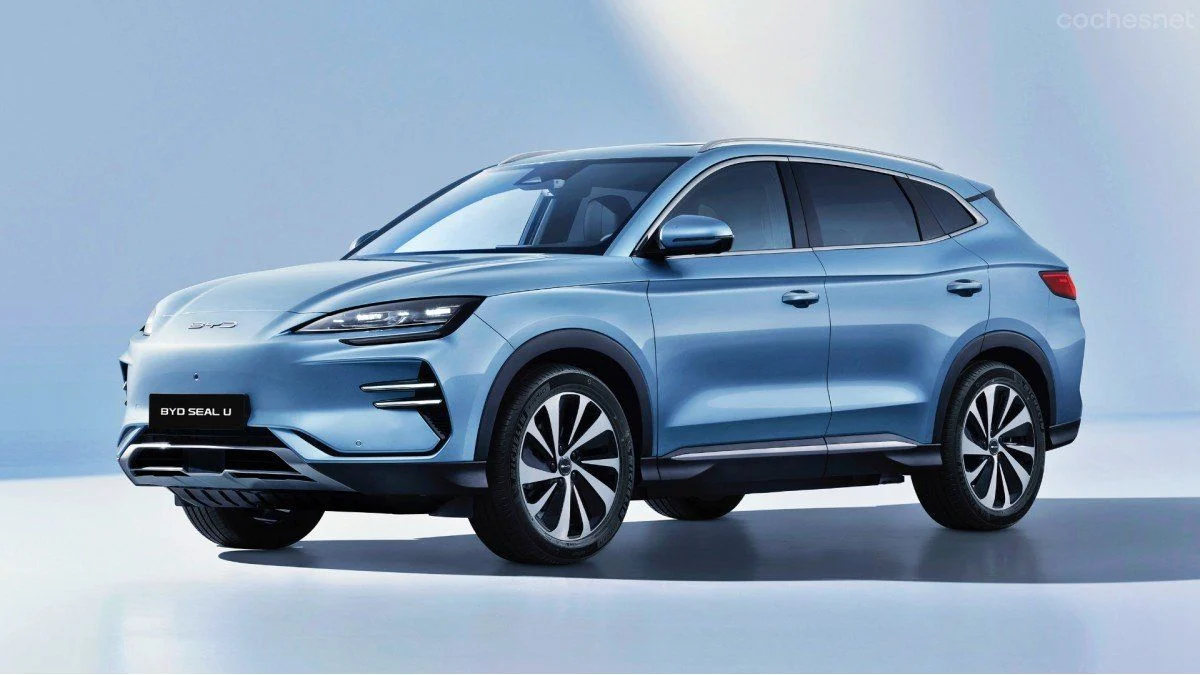
The vehicle causing this stir is the BYD Seal U which has taken the market by storm. This plug-in hybrid SUV secured the title of the best-selling car in its category across Europe for the month of October. It managed to surpass incredibly popular and established models such as the Ford Kuga and the Volkswagen Tiguan. This achievement marks a significant moment for Chinese manufacturers looking to gain a foothold in the competitive European market. The rise of this model has sent shockwaves through the boardrooms of traditional European manufacturers.
Statistics provided by Jato Dynamics show that the BYD Seal U achieved nearly six thousand registrations in a single month. This surge in popularity comes even as the general demand for plug-in hybrids has seen a notable decline across the continent. The total market for these vehicles dropped by roughly eleven percent compared to the same time last year. Despite the overall downward trend in the segment, this specific SUV found a way to resonate with buyers. It seems to be stealing market share rather than growing the segment itself.
The success of the Seal U can be largely attributed to its competitive pricing structure and robust technical specifications. It features a sophisticated powertrain that combines a 1.5-liter petrol engine with a potent electric motor for efficient driving. The system delivers a combined output of 218 horsepower and provides acceleration figures that meet the needs of most families. Drivers can rely on an 18.3 kWh battery pack that allows for an electric-only range of approximately 80 kilometers. This range is sufficient for most daily commutes without using a drop of gasoline.
Pricing plays a major role in the sudden rise of this model on the sales charts against legacy manufacturers. In key markets like Germany, the starting price is positioned just under forty-five thousand euros for a well-equipped model. This aggressive pricing strategy undercuts many domestic rivals while offering a high level of standard equipment and technology. The car also supports fast charging which is a feature often missing from competitor plug-in hybrids. Customers seem willing to overlook the lack of historic brand prestige in exchange for value.
It is worth noting who else fell behind this newcomer on the top ten list provided by Jato Dynamics. The Skoda Kodiaq and Kia Niro took the second and third spots respectively while the Ford Kuga fell to fourth. Former champions like the BMW X1 were pushed down to fifth place as the market reshuffled. Other notable vehicles like the Kia Sportage and Volvo XC60 also trailed behind the new market leader.
The Volkswagen Tiguan found itself in the eighth position during this particular sales period which surprised many analysts. This is a stark contrast to previous years when European brands dominated the top five positions without question. The Mercedes GLC and Toyota C-HR rounded out the bottom of the top ten list for the month. These figures suggest a changing preference among European consumers regarding brand loyalty and perceived value. The data indicates that European buyers are becoming more pragmatic with their purchasing decisions.
Tell us if you would consider buying a Chinese plug-in hybrid over a European model in the comments.