Drivers Advised To Keep Dish Soap In Their Cars Immediately
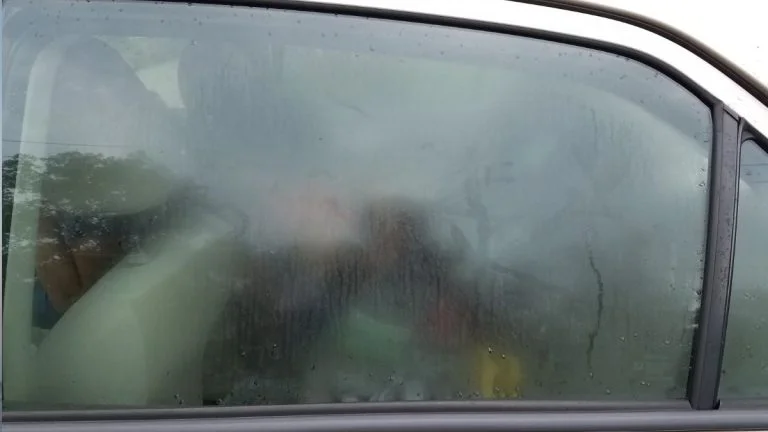
Winter driving conditions often bring a host of annoyances that go beyond slippery roads or freezing temperatures. One of the most frustrating daily struggles for motorists during the colder months is dealing with fogged-up windows. Condensation forms on the inside of the glass when warm air from inside the vehicle meets the freezing cold surface of the windshield. This creates a layer of moisture that obscures visibility and can be dangerous if not cleared properly before driving. While many drivers rely on their car’s heating system to blast away the fog, this process can take valuable time when you are rushing to get to work.
Experts have recently highlighted a surprisingly simple and cost-effective solution that most people already have sitting in their kitchen. The advice suggests that drivers should keep a bottle of ordinary dish soap in their vehicles to combat this common winter issue. According to specialists from the organization ‘Home Things’, applying a specific household detergent to your windshield can create a protective barrier against moisture. The science behind this trick is relatively straightforward and involves the chemical properties of the soap itself. Dish detergent contains surfactants that effectively reduce the surface tension of water.
When you apply a thin layer of this soap to the glass, it prevents water molecules from bunching together into the tiny droplets that create fog. Instead of forming a mist that blocks your view, the moisture forms a transparent sheet or simply fails to stick to the glass effectively. To use this method, you only need a very small amount of liquid and a couple of clean cloths. You should apply a drop of detergent to a dry cloth and rub it extensively onto the interior surface of the windshield until it seems to disappear. Buffing the glass afterwards with a separate dry cloth ensures that no streaks remain to distort your view of the road.
This hack is praised for being incredibly cheap compared to specialized anti-fog sprays sold in automotive stores. However, experts warn that this is not a permanent fix and will need to be reapplied periodically to maintain its effectiveness. Drivers should also remember to combine this trick with other good practices, such as using their air conditioning to dehumidify the cabin air. Another useful tip mentioned by automotive sources is to keep moisture absorbers, like silica gel packets, inside the car to help reduce overall dampness. By reducing the ambient moisture and treating the glass surface, you can significantly reduce the time spent waiting for your car to defrost in the morning.
Have you ever tried using household items to mist-proof your car windows? Share your own tips and experiences in the comments.