Five Common Mistakes Drivers Make When Starting Their Cars On Cold Mornings
Winter mornings present a unique set of challenges for vehicle owners who park outside in the elements. You often wake up to find your car coated in a thick layer of frost while the interior feels like an icebox. The natural instinct is to rush the process so you can get on the road and turn up the heat as quickly as possible. Unfortunately this haste often leads to specific behaviors that can degrade the engine and electrical components over time. Understanding these common errors is the first step toward prolonging the life of your vehicle and avoiding expensive repair bills.
A major mistake involves pressing the gas pedal too hard immediately after the car starts. Engine oil behaves very differently when the ambient temperature is near freezing compared to warm weather. The fluid becomes thick and moves slowly through the narrow channels of the engine block. Revving the engine forces internal components to move rapidly before they are fully lubricated by the oil pump. This lack of oil pressure causes unnecessary friction that wears down piston rings and bearings prematurely.
There is a persistent belief that a car needs to sit and idle for ten or fifteen minutes before driving. This practice dates back to the days of carburetors and is largely unnecessary for modern fuel-injected engines. Idling actually warms the engine very slowly and prolongs the period where the engine operates less efficiently. The fuel mixture is rich during a cold start and excess gasoline can wash the protective oil film off the cylinder walls. Driving gently is the most effective way to reach operating temperature without causing internal wear.
Drivers also tend to overload the electrical system the moment they get into the driver seat. Your car battery is chemically less efficient in the cold and has to work harder just to crank the engine. Activating the radio and headlights and wipers and seat warmers simultaneously creates a massive power draw. This surge demands maximum output from the alternator before the engine is running smoothly. It is far better to wait a minute or two before engaging high-drain accessories to protect the charging system.
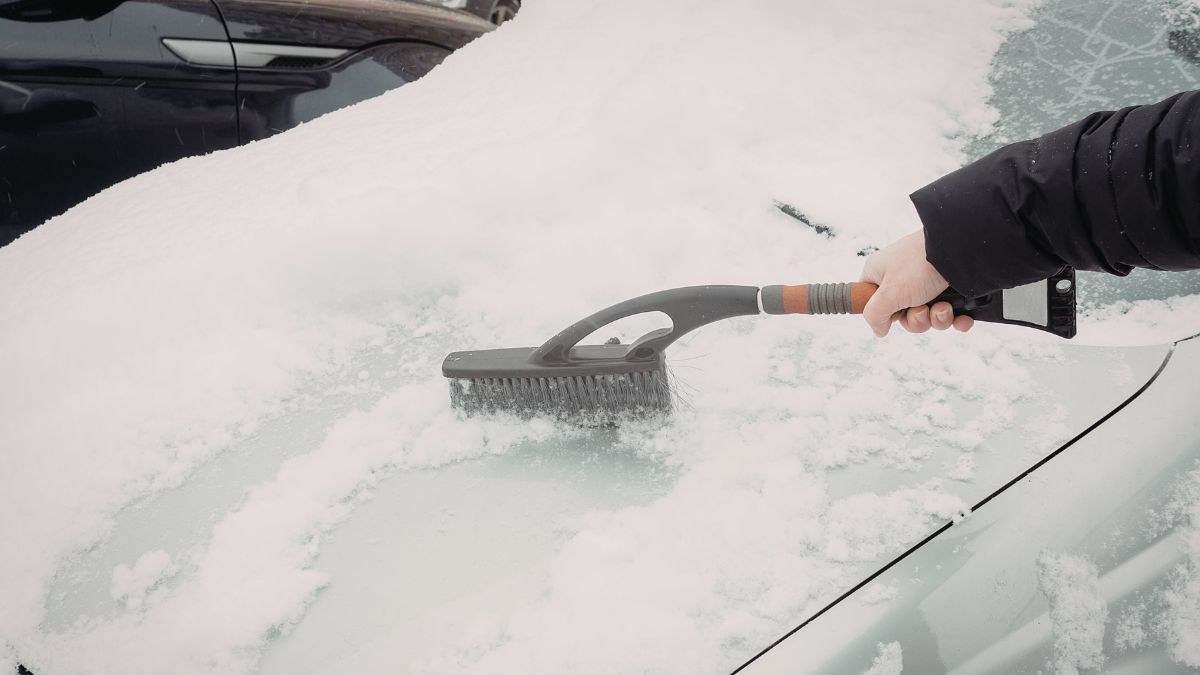
Using windshield wipers to clear ice is another habit that results in frequent trips to the auto parts store. Wiper blades are made of rubber that can easily freeze to the glass surface overnight. Activating the wipers when they are stuck can shred the rubber edge instantly and leave you with poor visibility. This action also puts severe stress on the wiper linkage and the electric motor that powers it. You should always scrape the windshield manually or use a de-icing spray before turning on the wipers.
Ignoring dashboard lights or unusual sounds is the final error to avoid during the winter months. The extreme cold puts every system in your vehicle under higher stress than usual. You might hear squealing belts or see a battery light flicker on the dashboard. These are important indicators that something needs attention before it fails completely. Being attentive during those first few frozen minutes can save you a significant amount of money in the long run.
Please tell us in the comments if you have ever accidentally damaged your car during a cold start or if you have other winter tips to share.