Mercedes Reveals Innovative Strategy To Slash LED Headlight Repair Expenses
Modern vehicles often come equipped with advanced LED lighting systems that offer superior visibility and sleek aesthetics. These sophisticated components have unfortunately become a source of financial anxiety for many car owners due to their complex construction. A minor stone chip or a simple electronic failure frequently necessitates the replacement of the entire headlight assembly. The costs for such repairs can easily run into thousands of dollars because the units are typically sealed with industrial adhesives.
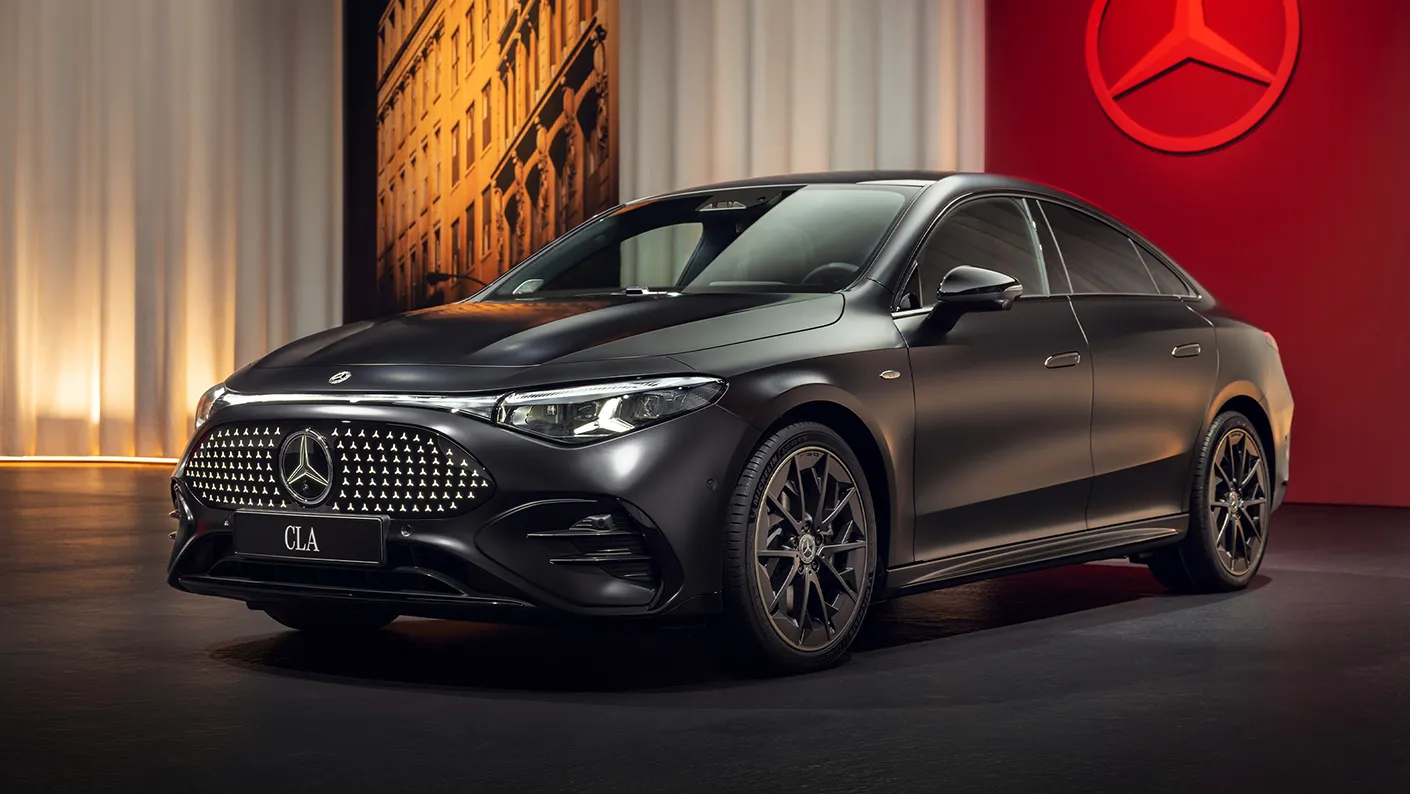
Mercedes-Benz is now taking a significant step to address this issue through a new engineering approach. The German automaker has developed a concept that moves away from the industry standard of permanently gluing headlight components together. Engineers at the company have introduced a design that utilizes mechanical fasteners and screws instead of permanent bonding agents. This fundamental shift in assembly allows technicians to dismantle the headlight unit without causing structural damage.
The primary advantage of this new design is the ability to replace individual parts rather than the whole system. If a driver suffers a cracked lens from road debris, service centers will soon be able to swap out just the glass or plastic cover. This modular approach extends to other internal components such as the control units and mounting brackets. Owners will no longer need to pay for a completely new housing and unaffected electronics when only one small part fails.
This initiative is part of a broader sustainability program known as Tomorrow XX which focuses on creating a circular economy within the automotive sector. The company estimates that this repairable design could reduce the carbon footprint of a single headlight unit by nearly half. Current manufacturing and disposal processes for these lights generate significant waste that this new method aims to eliminate. Keeping functional parts in service longer directly translates to fewer raw materials being extracted and processed.
The benefits of this strategy extend beyond just immediate repair bills for the consumer. Insurance companies may eventually adjust premiums if the average cost of accident repairs decreases significantly. Lower claim costs for minor frontend collisions could make insuring luxury vehicles with advanced lighting more affordable over time. This move challenges the prevailing industry trend where integrated technology often leads to disposable rather than repairable components.
Mercedes-Benz is also exploring other ways to incorporate recycled materials into their vehicles alongside this lighting innovation. The manufacturer is testing the use of recycled plastic from old tires and airbags for various hidden components like engine mounts and cable ducts. These efforts signal a potential shift in how premium car makers approach longevity and environmental responsibility. The success of the repairable headlight concept could inspire other manufacturers to adopt similar consumer-friendly engineering practices.
We are interested to hear if you think other automakers should follow this example and return to repairable designs. Share your thoughts on this development in the comments.