
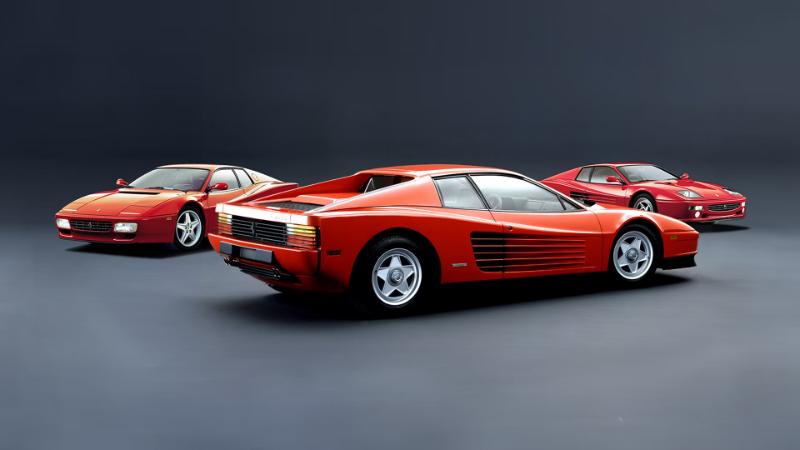
The Mystery Behind The Ferrari Testarossa And Its Singular High Mirror
Automotive enthusiasts often look back at the 1980s as a decade of excess and wild design choices. The 1984 Paris Motor Show served as the perfect stage for Ferrari to unveil a car that would define the era. The Ferrari Testarossa stunned the crowd with its aggressive stance and dramatic side strakes. It was wider and bolder than almost anything else on the road at the time. Yet astute observers immediately noticed a peculiar asymmetry that seemed out of place on such a carefully sculpted machine.
The early models of this Italian supercar rolled out of the factory with only one exterior rearview mirror. This lonely mirror sat high up on the driver’s side A-pillar in a position that looked almost like an afterthought. Italians quickly dubbed this distinct configuration the Monospecchio which translates simply to single mirror. This feature was not merely a stylistic flourish by the famous design house Pininfarina. It was actually the result of a complex interplay between strict regulations and engineering necessities.
Italian traffic laws during the mid-1980s had very specific requirements regarding rearward visibility for drivers. The regulations stated that a driver must have a completely unobstructed view of the road behind them. The Testarossa presented a unique challenge because its rear track was significantly wider than its front. The massive rear fenders housing the side radiators blocked the line of sight from a standard door-mounted mirror position. Engineers at Maranello had to find a creative solution to satisfy the letter of the law.
Their answer was to mount the mirror much higher than usual so the driver could see over the bulging rear hips of the car. This high-flying placement allowed for the required visibility without altering the wide bodywork that gave the car its performance advantages. It was a functional workaround that inadvertently created one of the most recognizable design quirks in automotive history. The passenger side was left completely smooth and mirrorless which further emphasized the asymmetrical look. This decision was purely practical but it sparked endless debates among car fans.
There was also an aerodynamic argument for leaving the passenger side bare. Ferrari engineers discovered that removing the second mirror helped reduce overall drag on the wide vehicle. The air could flow uninterrupted over the passenger flank and improve high-speed stability. This aligned with the car’s purpose as a high-performance grand tourer capable of reaching 180 miles per hour. The 4.9 liter flat-12 engine needed every bit of aerodynamic efficiency it could get to maximize its 390 horsepower.
This unique configuration did not last for the entire production run of the vehicle. By 1987 the interpretation of the visibility laws had changed and customers frequently complained about the odd placement. Ferrari eventually switched to a more conventional setup with two mirrors mounted lower on the doors. The Monospecchio remains a feature exclusive to the earliest examples produced between 1984 and 1986. These early units are now considered the purest expression of the original design concept.
Collectors today place a significant premium on these single-mirror models due to their rarity and unique backstory. What was once considered a strange ergonomic compromise has become a beloved characteristic of the ‘Miami Vice’ era icon. Estimates suggest that fewer than one thousand of these specific versions left the factory. They stand as a testament to a time when engineering solutions could lead to bizarre but memorable aesthetics. The high mirror is now a badge of honor for owners who possess this slice of Italian motoring history.
Let us know in the comments if you prefer the quirky single mirror look or the symmetry of the later dual mirror design.