Avoid Driving During These Specific Hours When It Is Especially Dangerous
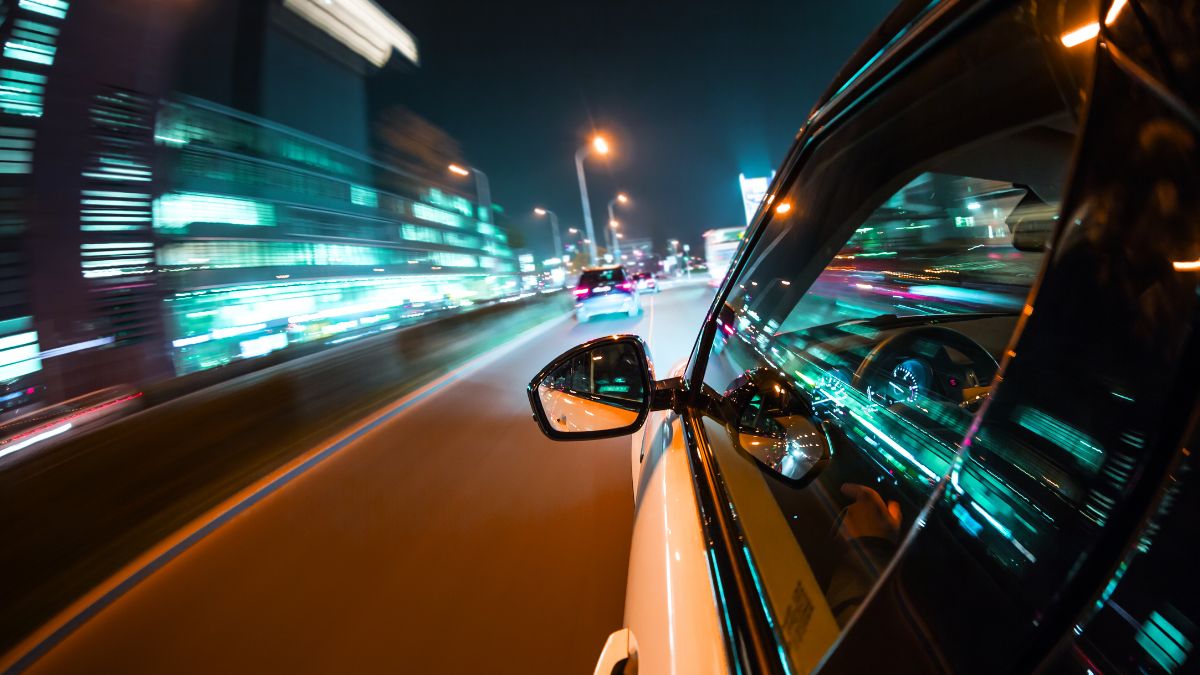
Many drivers prefer hitting the road at night to avoid the frustration of heavy daytime traffic jams. It seems like a logical choice when you want to reach your destination faster and without constant stops. However, traveling during these dark hours brings significant risks that often outweigh the benefits of an open road. Experts warn that driving when the sun goes down requires extreme caution and heightened awareness due to reduced visibility.
Statistics from the National Highway Traffic Safety Administration provide a comprehensive look at these dangers. They reported that 36,096 people died in traffic accidents in the United States during 2019 alone. A deeper look at the numbers reveals that night driving is disproportionately hazardous compared to daytime commuting. Although only a quarter of all driving occurs at night, fifty percent of fatal accidents happen during these dark hours.
This statistical imbalance means the specific risk of dying in a crash is four times higher at night. The danger is not spread evenly throughout the night but concentrates heavily in the early morning hours. Data shows that the window between midnight and 3 AM is consistently the most lethal period for motorists. During this three-hour span, an average of over six people die in traffic accidents every hour.
The presence of intoxicated drivers on the road surges dramatically during this specific timeframe. This helps explain why Saturday nights hold the unfortunate title of being the deadliest time to drive. A large percentage of the fatalities recorded between midnight and 3 AM involve alcohol impairment. Drivers who choose to travel at this time share the road with a significantly higher number of compromised motorists.
Biological factors also make driving during these hours inherently more difficult for the average person. Natural circadian rhythms dictate that the body should be sleeping, which slows down cognitive processing and physical reaction times. Depth perception and color recognition are also severely compromised when operating a vehicle in low light. You simply cannot see as far or react as quickly as you would under the bright midday sun.
Relying on artificial lighting does not fully compensate for the lack of natural daylight. Low beam headlights typically illuminate a distance of roughly fifty to eighty meters ahead of the car. Even when using high beams, visibility extends only to about one hundred and fifty meters. This limited range means that at highway speeds you often have very little time to brake for unexpected obstacles.
Commuters should also remain vigilant during the late afternoon rush hour between 5 PM and 7 PM. This time slot ranks as the second most dangerous period due to high traffic volume and driver fatigue. People are often exhausted after work and can become aggressive or inattentive while trying to get home quickly. The changing light conditions during dusk further complicate visibility and increase the likelihood of collisions.
Those looking for the safest possible driving conditions should consider planning trips for Tuesday mornings. Data suggests that this time offers the lowest risk of fatal accidents compared to the rest of the week. Making informed decisions about when to start your journey can profoundly impact your safety on the road. It is always better to wait for daylight than to risk becoming another statistic during the dangerous overnight hours.
Please let us know if these statistics will change your future travel plans in the comments.