Manufacturers Are Testing Advertising On Your Car Multimedia Screen
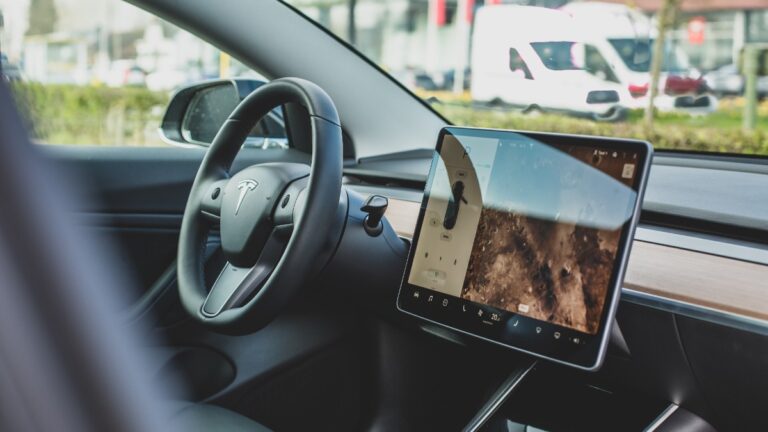
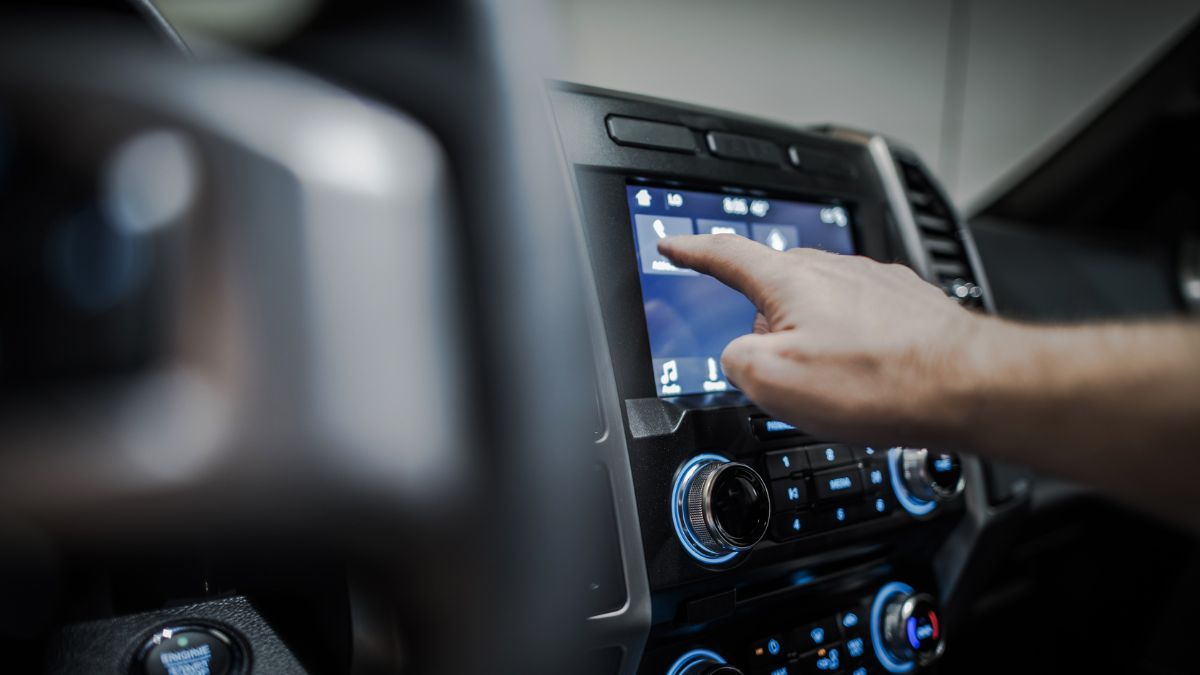
The era of the automobile serving as a sanctuary from the constant bombardment of digital marketing may be coming to an end. Recent reports confirm that several major automotive manufacturers are currently testing software capabilities that would allow advertisements to appear directly on the multimedia screen of your vehicle. This development marks a significant shift in how companies view the driver and the driving experience itself. The primary idea behind this testing phase is to deliver targeted messages based on the specific route a driver is taking or the current status of the vehicle systems.
These new advertising systems go far beyond the simple static billboards we are used to seeing on the side of the highway. The technology utilizes real-time data from the car sensors to present offers that are theoretically useful to the occupants at that exact moment. If the vehicle battery is running low or the fuel tank is near empty, the screen might display a promotion for a nearby charging station or gas station. Other examples include coupons for restaurants located along the programmed GPS route or notifications about sales at retail stores the driver is about to pass.
The technology bears a striking resemblance to the futuristic advertising depicted in the sci-fi movie ‘Minority Report’ where marketing is inescapable. Some patents filed by companies like Ford have even explored the concept of vehicle cameras scanning roadside billboards and then reproducing those images on the internal screen with clickable links. This creates a billboard interface that brings external commercial content directly into the cockpit. It fundamentally changes the relationship between the driver and the road environment by adding a digital layer of commerce to the daily commute.
Privacy advocates are raising alarms because this business model requires the car to constantly monitor the location and habits of the owner. The integration of advertising into the dashboard interface turns a piece of safety equipment into a data harvesting platform. Critics argue that while we accept ads on free mobile apps or social media, we do not expect them in a hardware product that cost thousands of dollars to purchase. There is a distinct emotional component here because drivers view their car as a private space where they should have control over what information is displayed.
Safety experts are also weighing in on the potential dangers of distracting drivers with pop-up notifications while the vehicle is in motion. Although some proponents of the technology suggest that ads would only appear when the car is fully stopped or waiting at a traffic light, the potential for driver distraction remains high. This practice opens up serious ethical questions regarding whether a manufacturer should prioritize revenue generation over the absolute focus required for driving. European regulators are currently focusing heavily on systems that detect driver distraction rather than those that create it.
We want to hear your perspective on whether you would buy a car that displays commercials on the dashboard. Share your thoughts in the comments on whether this technology crosses a line or if it is just the next logical step in connectivity.