Skoda Superb Sportline Hybrid Proves It Is A Valid Alternative To The TDI
The automotive world is slowly moving away from traditional diesel dominance in the large family car segment. For a vehicle like the Škoda Superb, the TDI badge has long been the gold standard for high-mileage drivers and fleet operators. This latest iteration combines a petrol engine with electric power to challenge the diesel legacy directly. It represents a significant shift in how the Czech manufacturer approaches efficient mobility for its flagship model.
The powertrain setup in this vehicle is quite sophisticated yet highly efficient. It uses a 1.5-liter four-cylinder petrol engine working alongside an 85 kW electric motor. These two power sources combine to deliver a total system output of 204 horsepower. Many drivers might worry that a smaller displacement engine cannot handle such a large estate car properly. However, the review notes that the system actually performs very convincingly and smoothly in real-world driving conditions.
The most significant improvement in this new generation is undoubtedly the battery capacity. The vehicle now houses a large 27.5 kWh battery pack that changes the utility of the car completely. Drivers can realistically expect to cover more than 85 kilometers solely on electric power. This range is sufficient for most daily commutes without ever engaging the petrol engine. It effectively functions as a pure electric vehicle for typical city driving duties or short intercity trips.
Long-distance travel remains a crucial factor for buyers in this specific vehicle class. The hybrid offers a combined total range of roughly 770 kilometers when utilizing both the fully charged battery and the fuel tank. This figure is respectable but still falls short of the traditional diesel version. A standard 2.0 TDI engine with 150 horsepower can easily cover over 1100 kilometers on a single tank. Despite this difference, the hybrid bridges the gap significantly for those who have access to charging infrastructure.
Fuel economy varies greatly depending on how the vehicle is continuously used. When the battery is fully depleted, the car operates like a standard hybrid and consumes about 7 liters of fuel per 100 kilometers. This is a reasonable figure for a car of its size and weight when driving on the highway. The transition between electric and petrol power is described as seamless and refined. It proves that the technology has matured enough to be a primary choice for families and business users.
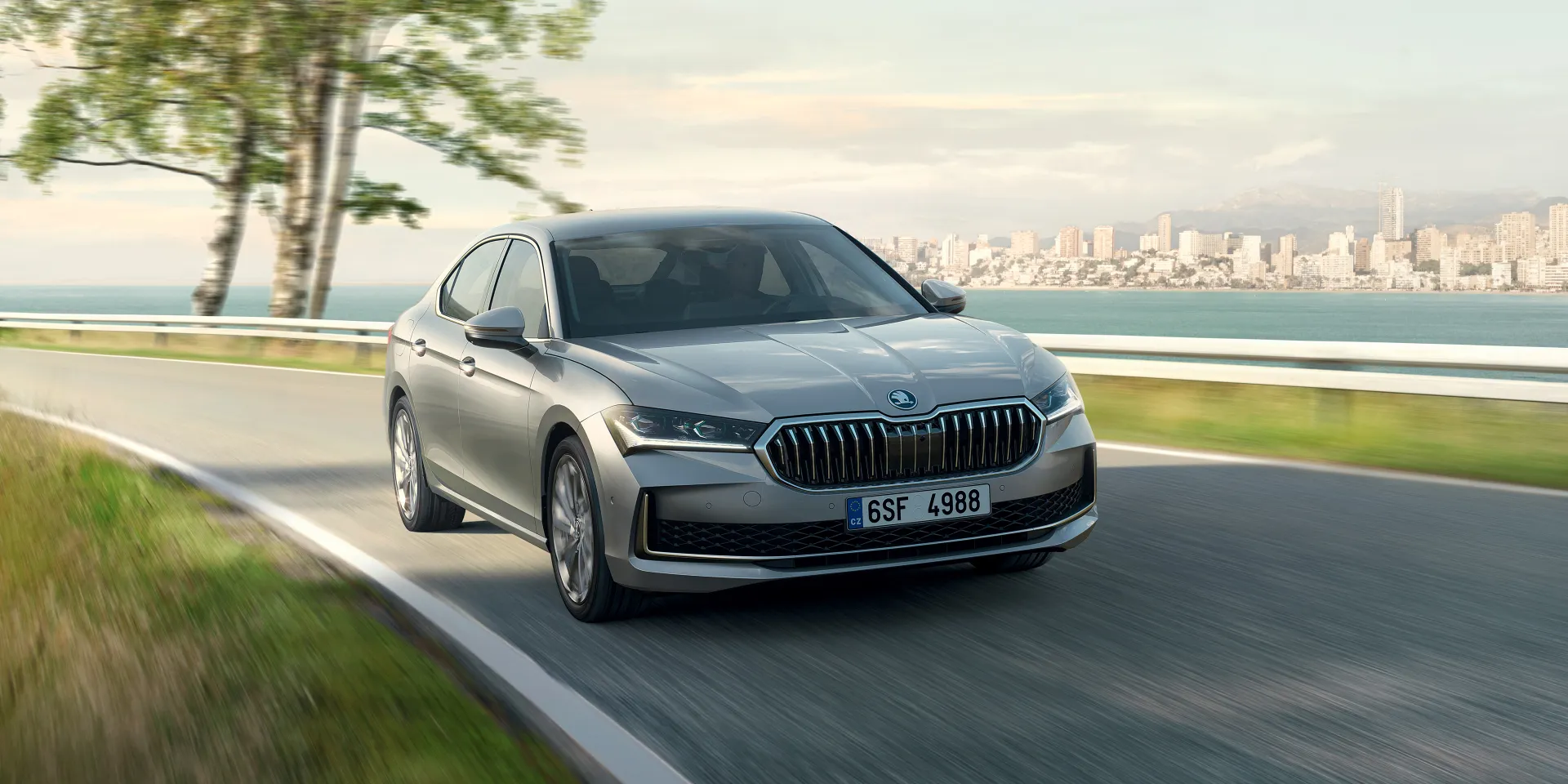
The test model came equipped with the attractive Sportline package which enhances the visual appeal. This trim level adds a layer of visual aggression and a premium feel to the station wagon. The interior features high-quality materials including Alcantara on the doors and armrests. It maintains the massive interior space and cargo capacity that the model is famous for worldwide. Even with the battery integration, the car remains incredibly practical and comfortable for five adults.
Škoda has successfully created a vehicle that offers the best of both worlds. It retains the comfort and space of the traditional estate while adding modern electric capability. The plug-in hybrid is no longer just a compliance car but a genuine option for the modern fleet.
If you had to choose between the long-range diesel or the versatile plug-in hybrid for your daily drive, tell us which one you would pick in the comments.