Tesla Dethroned By Chinese Rival As Top Electric Vehicle Producer in 2025
The year has officially marked a historic turning point in the global automotive industry as a new champion claims the top spot for electric vehicle manufacturing. For years, the American giant Tesla held the undisputed title of the world’s largest producer of battery-powered cars. However, recent data confirms that the reign of Elon Musk’s company has come to an end regarding production volume. A Chinese powerhouse has surged ahead, outpacing its American competitor in a development that signals a significant shift in market dynamics. This change highlights the rapid ascent of China’s auto sector and its growing influence on the global stage.
According to the latest production figures for 2025, BYD has successfully overtaken Tesla to become the world’s largest manufacturer of pure electric vehicles. The numbers reveal a razor-thin margin between the two automotive titans, yet the outcome is decisive. The Chinese company produced approximately 1,777,965 battery electric vehicles over the course of the year. In comparison, Tesla manufactured roughly 1,774,442 units during the same period. This difference of fewer than four thousand vehicles was enough to secure the crown for the Shenzhen-based automaker.
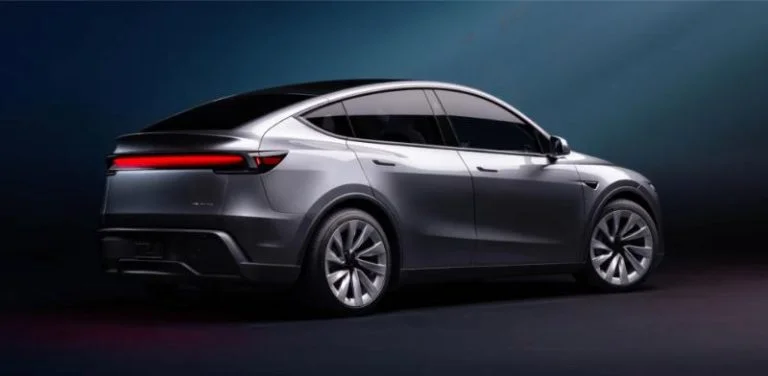
Tesla faced a challenging year characterized by slowing demand and an aging product lineup that struggled to maintain its previous explosive growth rates. The company relied heavily on its popular Model 3 and Model Y vehicles, which have seen increased competition from newer and more affordable rivals. Although the release of the Cybertruck generated significant media attention, it was not enough to boost overall production numbers significantly. The American manufacturer also had to implement multiple price cuts throughout the year in an attempt to stimulate sales. These struggles allowed its fiercest competitor to close the gap and eventually pull ahead.
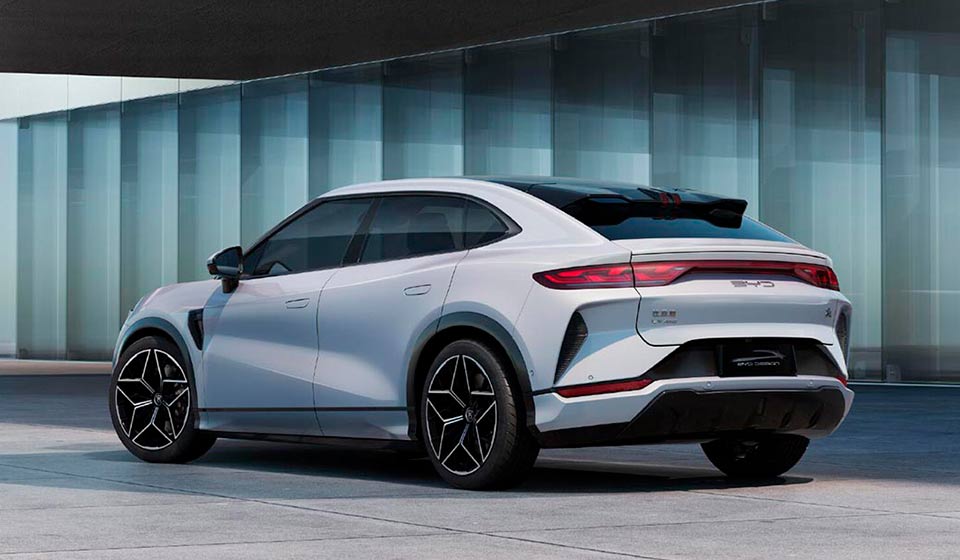
On the other hand, BYD has enjoyed a period of remarkable expansion and aggressive market penetration. Unlike Tesla, which sells only fully electric cars, the Chinese firm produces both plug-in hybrids and battery electric vehicles, giving it a massive overall footprint. Their strategy involves offering a wide range of models at various price points, making electric mobility accessible to a broader demographic. Vertical integration, including the manufacturing of their own batteries and chips, has allowed them to control costs effectively. This manufacturing efficiency has been a key factor in their ability to scale up production so rapidly.
The dethroning of Tesla serves as a wake-up call for Western automakers who are now playing catch-up to Asian competitors. While Tesla remains a dominant force in terms of brand value and profitability, the volume game has officially shifted to the East. Industry analysts predict that the rivalry will only intensify in the coming years as both companies expand their global footprints. The focus now turns to 2026 to see if the American pioneer can reclaim its position or if the new leader will widen the gap.
Share your thoughts on this major shift in the electric vehicle market in the comments.