How To Detect The Invisible Killer Known As Black Ice And Drive Safely
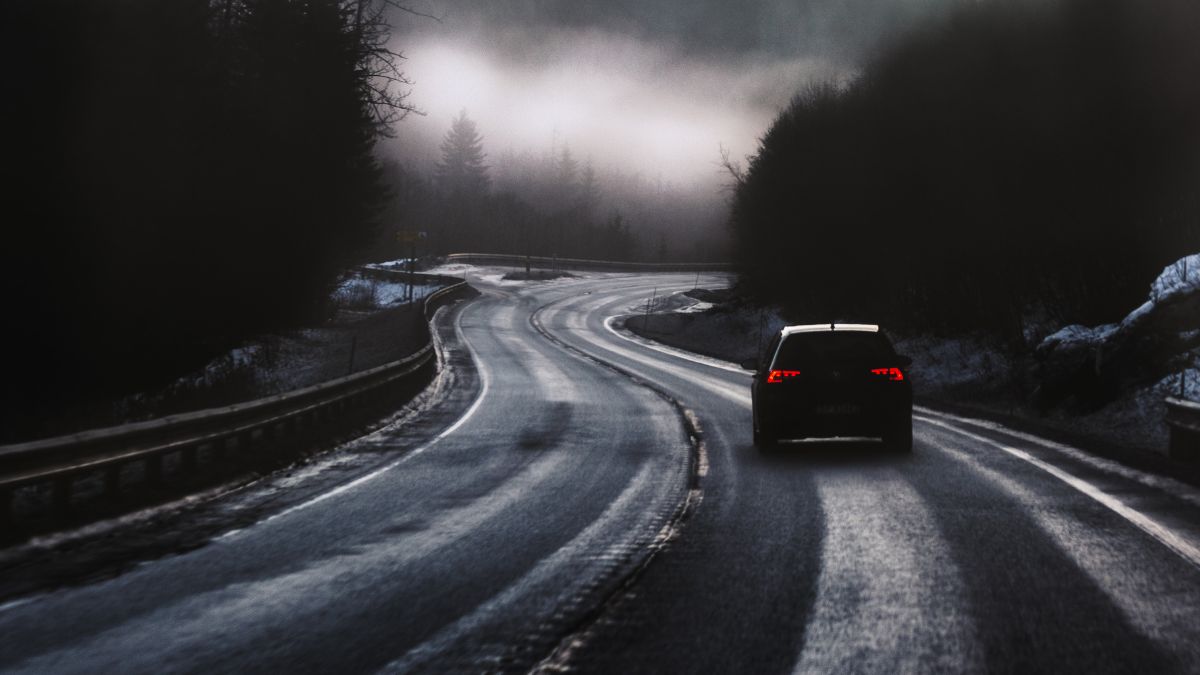
Winter brings many dangerous challenges for motorists but few are as treacherous as the phenomenon commonly known as black ice. This thin and transparent coating of frozen water is notoriously difficult to spot because it blends in perfectly with the dark asphalt below. It often forms after freezing rain falls or when melting snow refreezes rapidly on the road surface during temperature drops. Drivers frequently mistake it for a harmless patch of wet pavement until they suddenly lose control of their vehicle. Understanding how this invisible threat forms is the first step toward staying safe during the colder months.
The formation of this slick layer is sometimes aided by the vehicles themselves as warm tires melt snow which then instantly refreezes into a smooth glaze. This cycle creates a surface that offers zero traction and turns a routine commute into a fight for survival. It is most likely to occur during the early morning hours or late at night when traffic is light and temperatures are at their lowest points. Even if the air temperature is slightly above freezing you should remain cautious because the ground might still be cold enough to freeze water on contact.
You should be especially vigilant when driving on bridges and overpasses since cold air surrounds them from both above and below. These elevated structures lose heat much faster than regular roads and allow ice to form rapidly even when the surrounding temperature is seemingly safe. Shaded areas such as those near forest lines or tall buildings are also high-risk zones because the sun cannot reach them to melt the frost. Tunnels and their entrances can also harbor these slippery patches due to changes in airflow and temperature.
Recognizing this danger requires keen observation skills because it does not look white or frosty like typical snow. You might notice a glossy or shiny sheen on the road that looks like a puddle but does not splash when other cars drive through it. If you see a vehicle ahead of you moving on what looks like wet road without spraying water then you are likely approaching ice. Another warning sign is a sudden reduction in tire noise or a steering wheel that feels unusually light and unresponsive in your hands.
If you find yourself sliding on a patch of black ice it is crucial that you remain calm and avoid making sudden aggressive movements. Do not slam on the brakes or jerk the steering wheel because this will lock your wheels and cause a complete loss of control. Instead you should lift your foot off the accelerator and steer gently in the direction you want the front of the car to go. This technique is often referred to as counter-steering and gives your tires the best chance to regain traction once they pass the icy patch.
Sometimes a collision becomes unavoidable despite your best efforts to correct the slide and regain control of the vehicle. If you cannot stop the car you should try to steer toward an open area or a soft obstacle like a snowbank rather than oncoming traffic. Research has shown that hitting a guardrail or going into a ditch is generally safer than a head-on collision with another vehicle. Always wear your seatbelt and ensure your vehicle is equipped with proper winter tires to maximize your safety.
Please tell us about your own experiences with winter driving conditions in the comments.