Winter Heating Endurance Test Between Electric And Petrol Vehicles
Winter driving conditions often bring a specific anxiety regarding traffic jams and freezing temperatures. Many drivers worry about getting stranded in a snowstorm and running out of power or fuel while trying to stay warm. This fear is particularly prevalent among those considering a switch to electric vehicles. The common misconception is that an electric car battery will drain rapidly if the heater runs for hours while the car is stationary. Real-world tests and expert analyses have provided clear data to address these concerns.
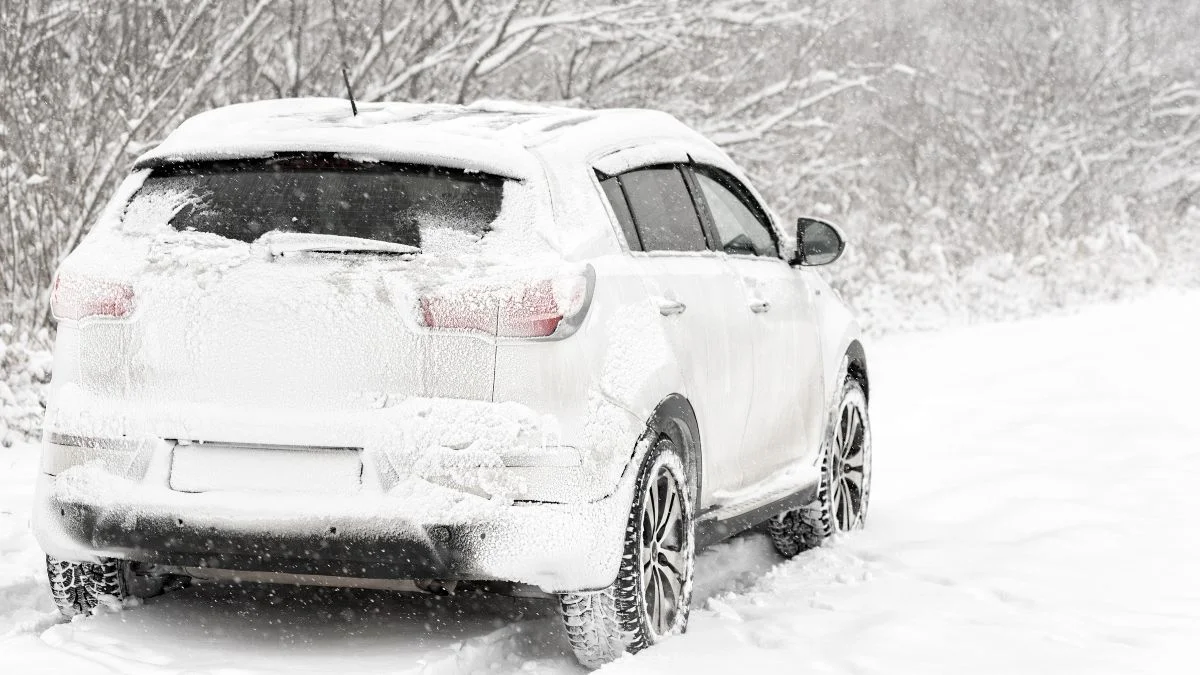
Stefan Moeller decided to put this theory to the test under harsh conditions. He is the head of the rental company Nextmove and wanted to see how a modern electric vehicle would perform overnight. Moeller chose a Kia e-Niro for his experiment and parked it in freezing weather. The outside temperature dropped to minus five degrees Celsius during his overnight stay in the vehicle. He set the interior cabin temperature to a comfortable nineteen degrees to simulate a stranded driver trying to sleep.
The results of this endurance test were surprising to many skeptics. Moeller spent nine and a half hours inside the vehicle with the heating running continuously. The battery charge only dropped from eighty-six percent to seventy-four percent during that entire period. This represents a loss of roughly twelve percent of the total battery capacity. The range decreased by approximately seventy kilometers which is quite manageable for most drivers.
Data from the German automobile club ADAC supports these individual findings with broader testing. Their engineers have analyzed how various electric models consume energy to maintain warmth in sub-zero temperatures. They found that maintaining an interior temperature of twenty degrees when it is minus ten outside requires about two kilowatts of power. A typical electric car with a decent battery could theoretically keep its passengers warm for fifteen to twenty hours or even longer. This duration is sufficient for surviving even the most severe traffic hold-ups.
Internal combustion engine vehicles operate differently because they generate waste heat as a byproduct of burning fuel. This waste heat allows petrol and diesel cars to warm the cabin efficiently while the engine is running. However, a combustion engine must continuously idle to produce this heat which consumes fuel steadily. An idling engine typically burns between roughly one to one and a half liters of fuel per hour depending on the engine size. A full tank can last a very long time but the advantage is not as overwhelming as some might think.
Efficiency in electric vehicles is improving thanks to technologies like heat pumps. These systems use significantly less energy than traditional resistive heaters found in older models or cheaper appliances. Drivers can also extend their endurance by using heated seats and steering wheels instead of heating the entire cabin air. This method consumes a fraction of the energy required to warm the air volume. The fear of freezing instantly in an electric car is largely a myth based on outdated assumptions.
Both vehicle types require adequate preparation for winter travel such as keeping the tank full or the battery charged. The tests show that electric vehicles are more than capable of keeping occupants safe during long waits in the cold. Modern engineering has ensured that battery management systems prioritize passenger comfort and safety. Drivers can feel confident that their vehicle will not fail them during a winter traffic jam.
Please share your personal experiences with winter driving and vehicle heating in the comments.