Mechanic Claims This Is The Greatest Japanese Diesel Engine Ever Built
The debate over which diesel engine reigns supreme has continued for decades among automotive enthusiasts and professionals alike. Drivers of German cars often swear by the durability of the Volkswagen TDI series while fans of Italian engineering champion the Fiat JTD engines. French car owners also have a strong contender in the HDi lineup which is known for its smooth operation and fuel efficiency. However, a popular Spanish mechanic named Pedro Bastida has stirred the pot by declaring a different winner entirely. He argues that the finest diesel engine ever produced does not come from Europe at all but from Japan.
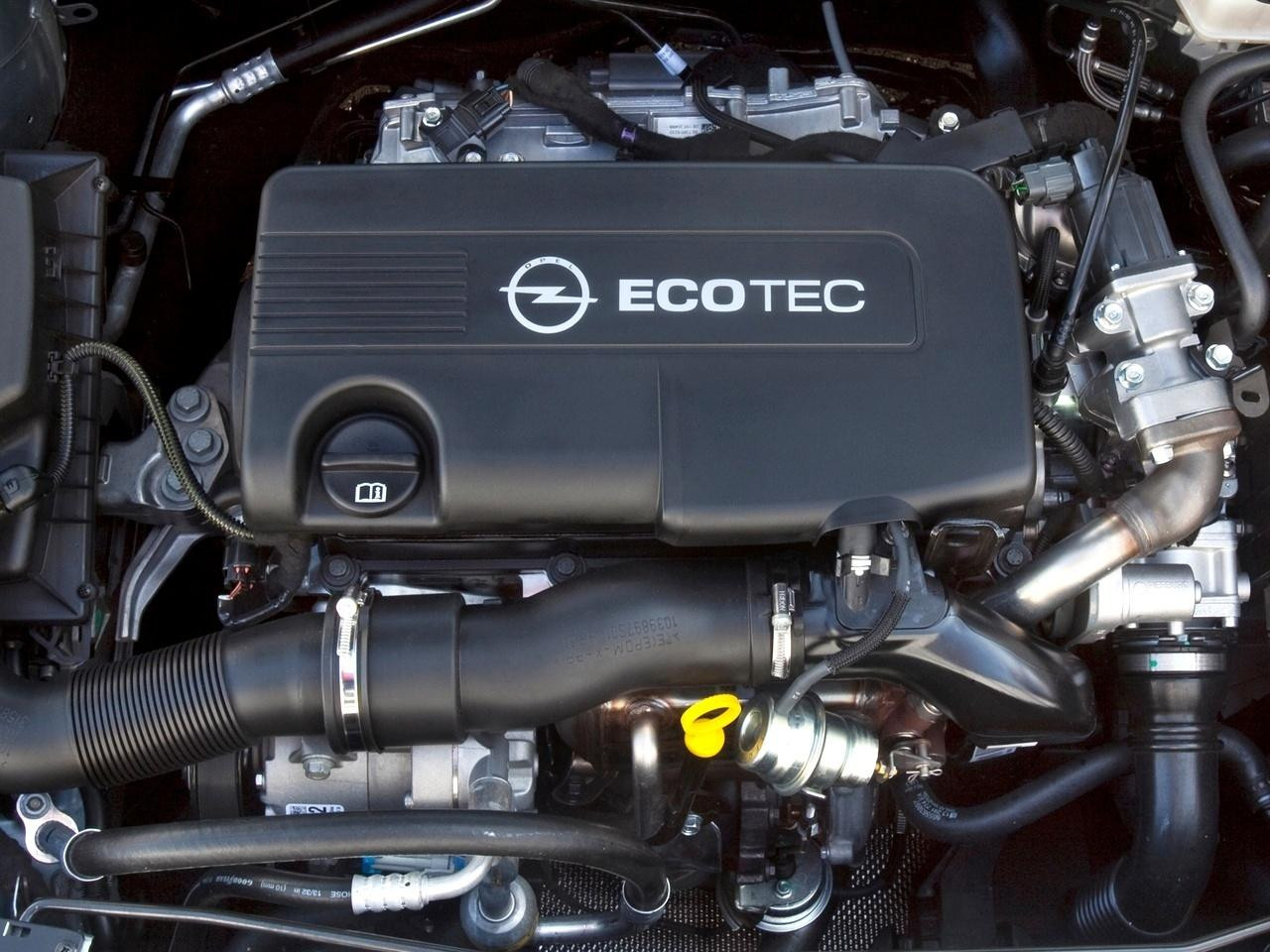
According to Bastida the title belongs to a specific power plant developed by Isuzu. This might come as a surprise to those who associate diesel dominance strictly with European manufacturers like Mercedes or Peugeot. The engine in question is the renowned 1.7 liter inline four cylinder diesel that Isuzu created in the late 1990s. This unit was the result of a strategic collaboration between the Japanese company and General Motors to power a wide range of vehicles. While the engine blocks were cast and shipped directly from Japan the final assembly often took place in Poland.
Bastida recently showcased a prime example of this engineering marvel on his social media channels to prove his point. He filmed a 2010 Opel Astra equipped with this Isuzu developed motor that had already clocked over 270,000 kilometers. The mechanic emphasized that despite the high mileage the engine remained in pristine condition with no leaks or mechanical failures. He noted that the vehicle had never given the family any trouble during its long service life. This level of reliability is becoming increasingly rare in modern vehicles that are often plagued by complex electronic issues.
One specific feature that Bastida praised was the air conditioning compressor attached to this engine. He compared its cooling capacity to that of a heavy commercial truck rather than a standard passenger car. The robust design of the ancillary components contributes significantly to the overall longevity of the powertrain. This durability explains why so many of these units are still on the road today in various states of tune. The engine was available in multiple configurations ranging from a modest 65 horsepower in naturally aspirated forms to 130 horsepower in turbo versions.
You can find this legendary Japanese engine under the hoods of many popular European and American badged cars. It was a staple for Opel and Vauxhall in models such as the Corsa and the Zafira as well as the Meriva. The engine also found its way into the Chevrolet Cruze and even the Honda Civic during certain production years. For drivers looking for a used car that can withstand the test of time this Isuzu 1.7 liter diesel might just be the safest bet available.
If you have ever owned a car with this Isuzu engine share your experience with its reliability in the comments.