Lancia Struggles To Gain Traction With New Ypsilon Even In Italy
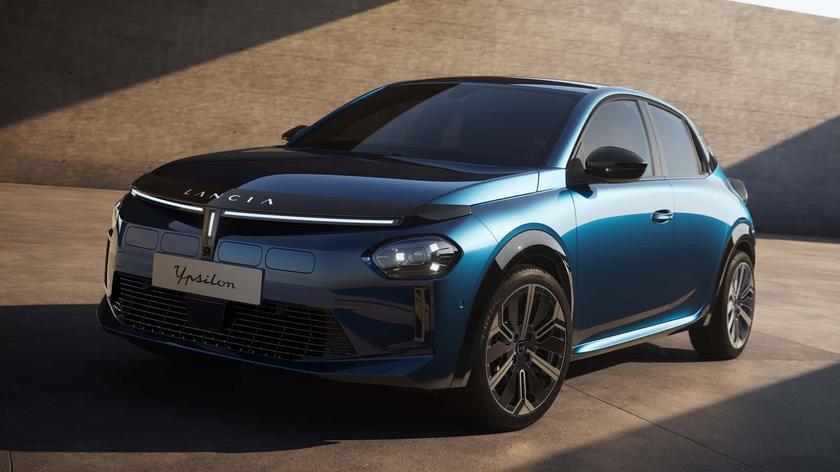
The highly anticipated rebirth of the historic Lancia brand has hit a significant stumbling block right out of the gate. After more than a decade of waiting for a new model the launch of the new Ypsilon was supposed to mark the start of a renaissance for the Italian automaker. Instead the sales figures for 2025 reveal a troubling reality that has left executives at Stellantis searching for answers. The new premium hatchback is struggling to find buyers and the situation is particularly dire in its home market of Italy where the previous generation was a beloved staple.
Data from the past year shows that the new Ypsilon has failed to capture the momentum of its predecessor. Only 9,711 units were registered in Italy throughout 2025. While this might sound like a decent start for a niche luxury car it is a disastrous result for a vehicle meant to compete in the high-volume small car segment. For comparison the previous Ypsilon model sold 32,175 copies in 2024 despite being built on an aging platform. That older car was the third best-selling vehicle in the country just a year prior but the new version has vanished from the top rankings entirely.
The market dominance of competitors highlights just how far Lancia has fallen behind. The Fiat Panda remains the undisputed king of Italian roads with more than 102,000 sales in 2025. Other models like the Dacia Sandero and the Jeep Avenger also performed well with approximately 50,000 registrations each. Even the MG ZS managed to secure the tenth spot on the best-seller list with around 29,000 units sold. The new Ypsilon is nowhere near these numbers and its absence from the top ten list is a harsh blow to the brand’s prestige.
Several factors appear to be driving this lack of interest among Italian consumers. The primary issue seems to be the dramatic shift in pricing and positioning. The old Ypsilon was an affordable and stylish city car that appealed to a wide demographic. The new model is positioned as a premium product with a price tag to match. Italian buyers are reportedly finding it difficult to emotionally connect with the new car which shares much of its underlying technology with other Stellantis vehicles like the Peugeot 208 and Opel Corsa. Many consumers seem unwilling to pay a premium for technology they can access more cheaply in other models from the same parent company.
The situation outside of Italy is even more discouraging for the brand’s expansion plans. Sales in other European markets are negligible with very few units moving in countries like France and Spain. This poor performance puts immense pressure on Stellantis CEO Carlos Tavares who has previously emphasized the need for each brand in the portfolio to prove its financial viability. The strategy to elevate Lancia into the premium segment was a bold gamble that currently appears to be backfiring as loyal customers turn to more affordable alternatives or rival brands.
Do you think Lancia can recover from this stumbling start or is the brand’s new premium strategy destined to fail? Please share your thoughts in the comments.