Dance of Millions as Ferrari Collection Smashes Auction Records Proving Better Than Gold
The world of high-end automotive collecting recently witnessed a spectacle that redefined market expectations for modern classic supercars. At the prestigious Mecum Kissimmee auction, the spotlight shone brightly on a staggering assembly of Italian engineering that sent bidding wars into the stratosphere. While thousands of vehicles crossed the block, the true headline was the “Bachman Collection,” a treasure trove of mostly yellow Ferraris owned by the late Philip Bachman. Investors and enthusiasts alike watched in awe as these pristine machines achieved prices that suggest rare automobiles might currently outpace traditional safe havens like gold.
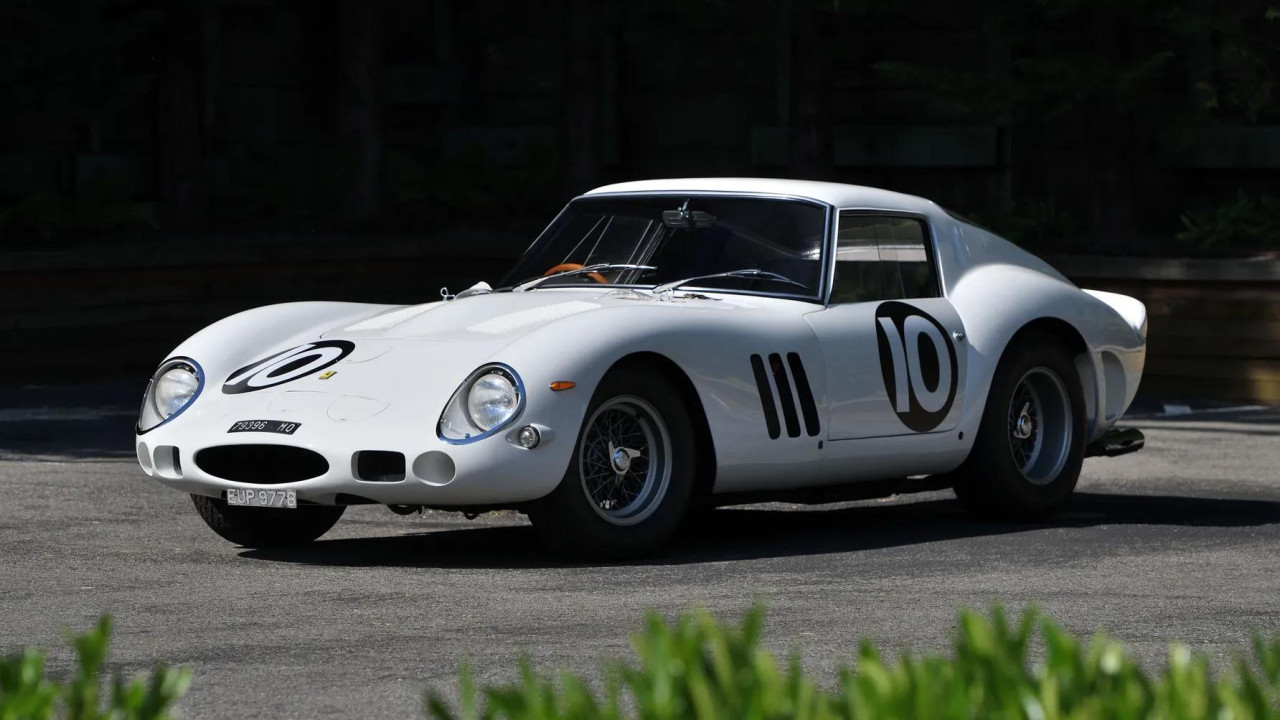
Expectations were initially focused on a rare white Ferrari 250 GTO from the collection of Jon Shirley. Industry analysts predicted this legendary vehicle might shatter all-time records with a price tag exceeding fifty million dollars. However, the hammer fell at a relatively modest 38.5 million dollars, leaving some to wonder if the market for vintage sixties classics is cooling. The real energy of the event immediately shifted to the immaculate modern era supercars which commanded attention that far exceeded pre-sale estimates.
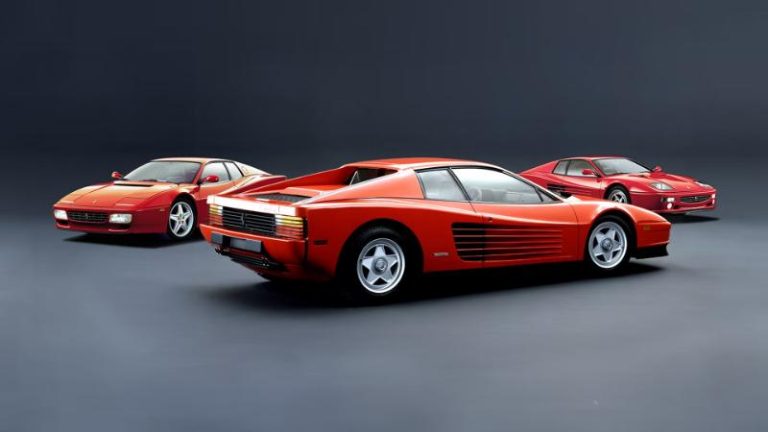
The Bachman Collection became the star of the show by setting unprecedented benchmarks for models from the last three decades. A standout moment occurred when a 2003 Ferrari Enzo, finished in the vibrant Giallo Modena yellow, sparked a fierce bidding war. This particular example had only covered a little over one thousand kilometers and featured rare factory options. It eventually sold for an eye-watering 17.875 million dollars, a figure that nearly tripled the previous record for the model.
Another significant record was smashed by a 1995 Ferrari F50 which brought in 12.21 million dollars. This specific car carried an interesting provenance as it was previously owned by professional golfer Ian Poulter. With incredibly low mileage and an impeccable maintenance history, it showcased how much collectors value provenance and condition. The sale results for the F50 and Enzo alone signaled a massive shift in collector interest toward the “halo” cars of the 1990s and 2000s.
The frenzy continued with other iconic models from the Maranello factory. A pristine 1985 Ferrari 288 GTO with barely any miles on the odometer fetched 8.525 million dollars. Similarly, a Ferrari F40 reached a new high of 6.6 million dollars, proving that the appetite for analogue supercars is stronger than ever. These returns on investment highlight a trend where tangible assets with historical significance are outperforming standard financial portfolios.
This auction has effectively rewritten the rulebook for automotive valuation and investment strategy. The stagnation of the traditional blue-chip 250 GTO contrasted sharply with the explosive growth of its younger siblings. It appears that a new generation of wealthy collectors is driving prices up for the poster cars of their youth.
If you had the funds to invest, would you choose the singular historic prestige of a 250 GTO or a garage filled with these record-breaking modern classics, so let us know your preference in the comments.