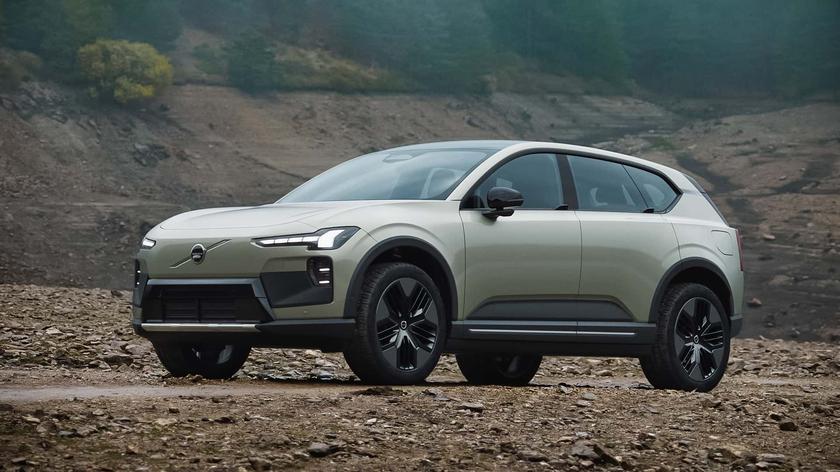
Volvo’s New EX60 SUV Is the “Key Model of Their Transition”
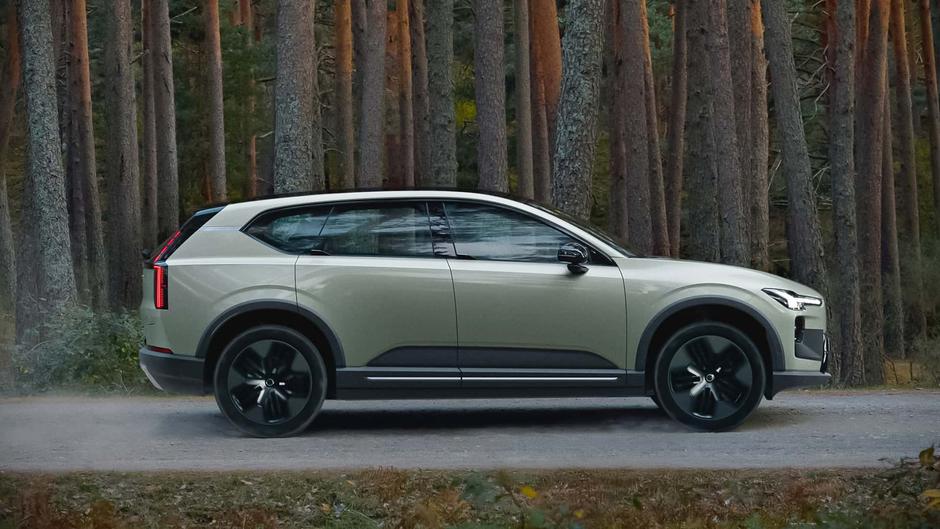
Volvo has officially unveiled the EX60, a fully electric SUV designed to succeed the brand’s long-standing best-seller, the XC60. This new vehicle represents a significant milestone for the Swedish automaker as it navigates the shift toward complete electrification. With ambitious targets and advanced technology, the company has positioned the EX60 as the cornerstone of its future lineup. The model aims to replicate the market dominance and reputation of its predecessor while introducing a completely new architectural standard for the brand.
The technical foundation of the EX60 is the newly developed SPA3 platform, which introduces several manufacturing breakthroughs. This architecture utilizes “megacasting” technology, a process that casts large sections of the vehicle body as single pieces to reduce weight and complexity. Additionally, the design incorporates a cell-to-body construction method where the battery pack serves as an integral load-bearing component of the chassis. These innovations result in a stiffer structure, a flat floor, and maximized interior space, offering a cargo capacity of 634 liters in the rear and an additional 85 liters in the front trunk.
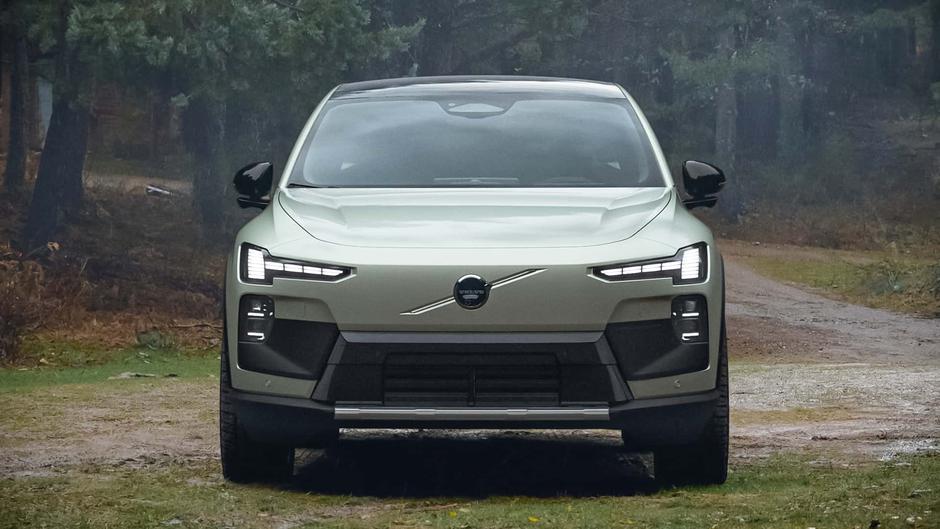
In terms of performance, the EX60 offers a range of powerful options starting with the P6 rear-wheel-drive variant, which delivers 374 horsepower. For those requiring more traction and power, the P10 AWD version increases output to 510 horsepower with all-wheel drive. The lineup is led by the high-performance P12 AWD model, which boasts an impressive 680 horsepower and accelerates from 0 to 100 km/h in just 3.9 seconds. This top-tier version is equipped with a substantial 117 kWh battery, enabling a remarkable WLTP driving range of up to 810 kilometers.
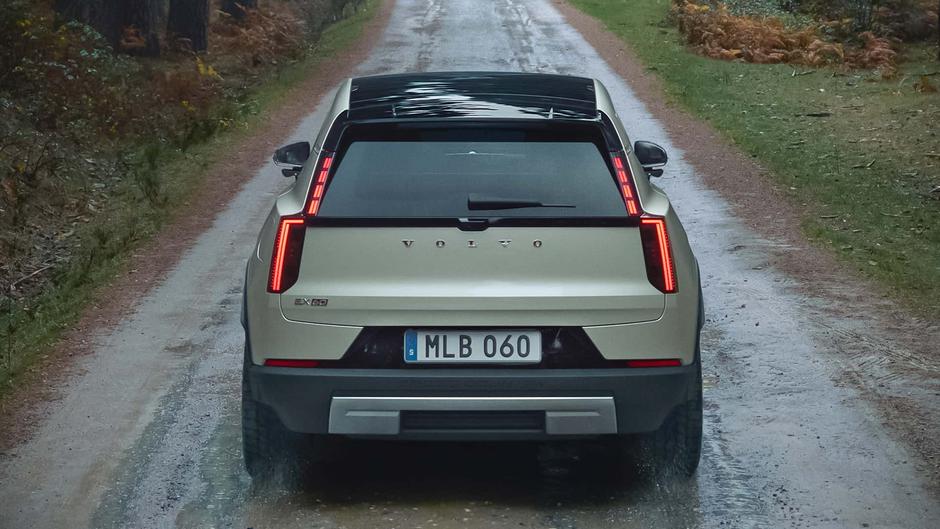
Charging capabilities are equally advanced, as all three variants utilize an 800-volt electrical system to facilitate rapid energy replenishment. Under ideal conditions, the vehicle can charge from 10 to 80 percent in approximately 18 minutes, with charging speeds reaching up to 370 kW for the more powerful configurations. This efficiency addresses one of the primary concerns for electric vehicle owners by significantly reducing downtime during long journeys. The exterior design remains distinctly Volvo, featuring a clean front fascia, pixelated “Thor’s Hammer” LED headlights, and vertical taillights that maintain the brand’s signature aesthetic.
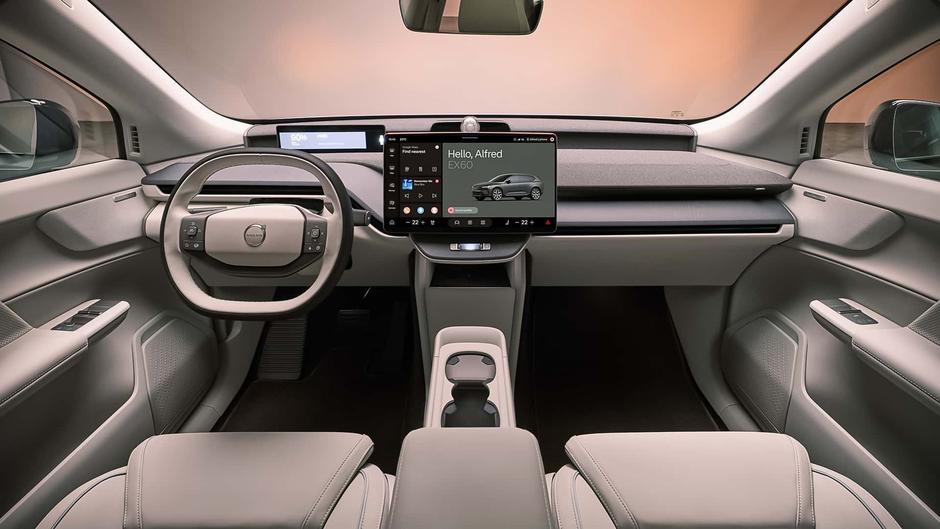
Inside the cabin, Volvo has taken its minimalist philosophy a step further by replacing the traditional vertical display with a wide horizontal screen. A smaller secondary display sits directly in front of the driver to provide essential instrument data. The infotainment system is powered by a robust Nvidia processor and runs on Google’s platform, now enhanced with Gemini AI for improved voice commands and adaptability. Physical buttons have been largely eliminated in favor of this digital-first interface, emphasizing speed and software integration.
Sales of the EX60 are expected to begin soon, with pricing in Germany starting at 62,990 euros for the base model and rising to 78,790 euros for the top-specification Ultra version. As the electric successor to the XC60, this SUV carries the weight of high expectations and serves as a clear statement of Volvo’s commitment to a sustainable automotive future.
Do you think the EX60 has what it takes to replace the popular XC60 and lead the market, so let us know your thoughts in the comments.