Good Investment: Large Sedans From the 1980s and 1990s With Skyrocketing Values
Large executive sedans from the 1980s and 1990s are currently experiencing a significant renaissance in the collector car market. Once dismissed as widely available used vehicles with high maintenance costs, these former status symbols are now emerging as sought-after classics. Investors and enthusiasts are turning their attention to the flagships that once ferried directors, politicians, and captains of industry. The combination of analog driving dynamics and peak mechanical engineering makes this era particularly attractive for those seeking a tangible asset that can also be driven.
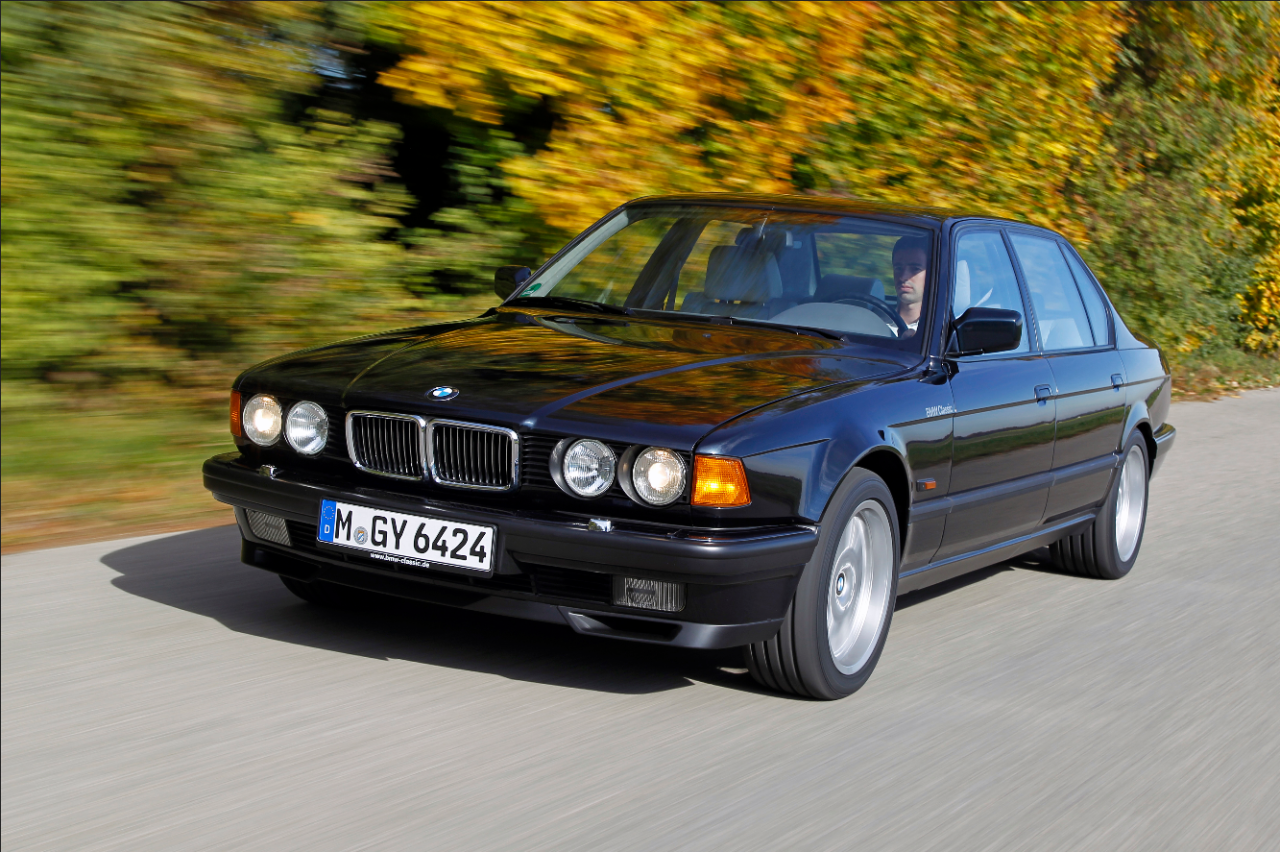
The appeal of these vehicles lies in their exceptional build quality, often regarded as the high-water mark for many European manufacturers. Models like the Mercedes-Benz S-Class from the W126 and W140 generations represent a time when engineers, rather than accountants, dictated production standards. Similarly, the BMW 7 Series of the E32 and E38 generations offered a sporty alternative that blended luxury with genuine driving engagement. These cars feature distinct designs that have aged gracefully, distinguishing them from the more homogenous styling of modern traffic.
Market trends indicate that well-preserved examples are no longer languishing in the classifieds for bargain prices. The Audi V8, a pioneer for the brand’s entry into the luxury segment, is gaining recognition for its advanced technology and rarity. French alternatives such as the Citroën XM or the Peugeot 605, once favored by government officials, are also seeing an uptick in interest due to their unique comfort and avant-garde aesthetics. Collectors are realizing that restoration costs for neglected examples can be astronomical, driving up the premium for pristine, low-mileage survivors.
Owning one of these “youngtimers” offers a different experience compared to vintage cars from the 1960s or 1970s. They provide modern amenities like air conditioning, ABS, and decent soundproofing, making them usable for weekend trips or even daily driving. However, potential buyers must navigate complex electronics and hydraulic systems that defined the technological leaps of that period. The “cheap luxury” phase for these giants has effectively ended, signaling that now is the time to buy before values climb out of reach.
As nostalgia for the pre-digital era grows, the market for these analogue luxury liners is expected to strengthen further. The distinct thud of a heavy door closing and the smell of high-quality leather from that period are experiences that modern manufacturing rarely replicates. Investing in a well-maintained executive sedan from this golden era is not just a financial decision but a preservation of automotive history.
If you had to choose one executive sedan from this era to put in your garage, tell us which one and why in the comments.