Sales Catastrophe Instead of Renaissance: Lancia Is in Free Fall
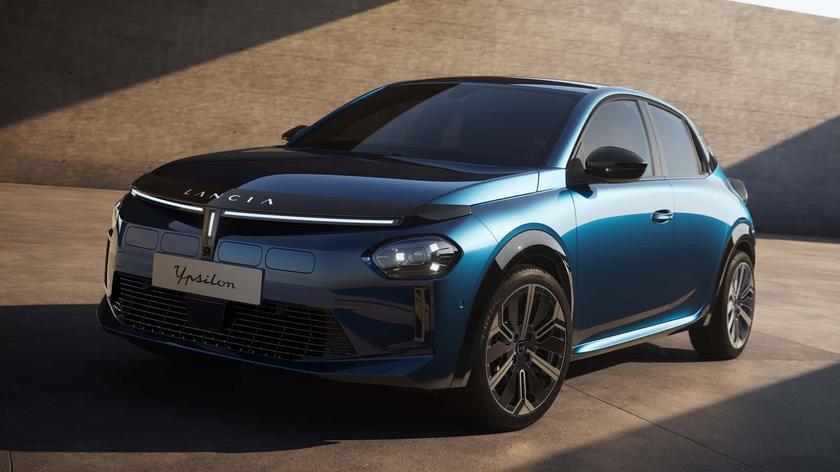
When Lancia unveiled the new ‘Ypsilon’ in February 2024, the expectations were incredibly high for the historic Italian brand. This launch marked the first completely new model in thirteen years and was intended to signal the beginning of a grand renaissance for the manufacturer. Stellantis had positioned this moment as a pivotal return to European markets, promising a bright future fueled by premium aspirations and electrification. However, nearly two years later, the reality paints a starkly different picture as the brand appears to be in a free fall rather than a rebirth.
Recent sales data reveals a devastating trajectory for the company, with figures dropping precipitously compared to previous years. During the first two months of 2025 alone, Lancia sold just 2,208 units across Europe, a staggering 73 percent decline from the 8,098 vehicles sold during the same period in 2024. The total registrations for the entirety of 2025 across its five main markets—Italy, France, Spain, Belgium, and the Netherlands—amounted to a mere 11,591 cars. To put this in perspective, the previous generation of the ‘Ypsilon’, which was an aging model sold exclusively in Italy, frequently outperformed these combined European figures on its own.
The situation outside of Italy is particularly grim, with numbers that can only be described as a commercial desert. While Italy remains the brand’s primary stronghold with nearly 9,710 registrations in 2025, the performance in other territories is negligible. In France, the brand managed only about 850 registrations for the entire year, while Spain and Belgium saw roughly 625 and 241 sales respectively. The Netherlands recorded an even lower figure of approximately 165 units, indicating that the brand’s attempt to expand beyond its home borders has largely failed to gain traction.
Several factors have contributed to this rejection by the market, primarily revolving around pricing and product perception. The new ‘Ypsilon’ enters the market with a starting price of over 27,000 dollars, a significant jump from its predecessor which was a budget-friendly option for many Italians. Furthermore, critics and consumers alike have expressed that the vehicle feels too similar to other Stellantis products, such as the Peugeot 208 and Opel Corsa, lacking the distinct Lancia DNA. The decision to share a common platform has led to accusations that the car is merely a rebadged effort rather than a true luxury product.
Despite the current crisis, brand CEO Luca Napolitano remains committed to the roadmap, which includes the launch of the ‘Gamma’ flagship crossover in 2026 and a new ‘Delta’ in 2028. However, with Stellantis facing broader struggles across its portfolio, including significant sales dips for DS and Fiat, the pressure is mounting to turn things around quickly. The coming months will be critical in determining if this legendary nameplate can survive its ambitious but troubled transformation.
Do you think the new ‘Ypsilon’ is too expensive for what it offers, or is poor marketing to blame for these low sales figures? Share your thoughts in the comments.