DIY Car Washing: How to Do It Correctly and All the Best Tricks
With the rising costs of automatic and manual car washes, more vehicle owners are deciding to take matters into their own hands at home or self-service stations. While it seems like a simple task requiring just water, foam, and a sponge, doing it incorrectly can lead to long-term damage. The consequences of improper washing are often not immediately visible but can seriously harm your car’s paint, plastic, and chrome parts over time.
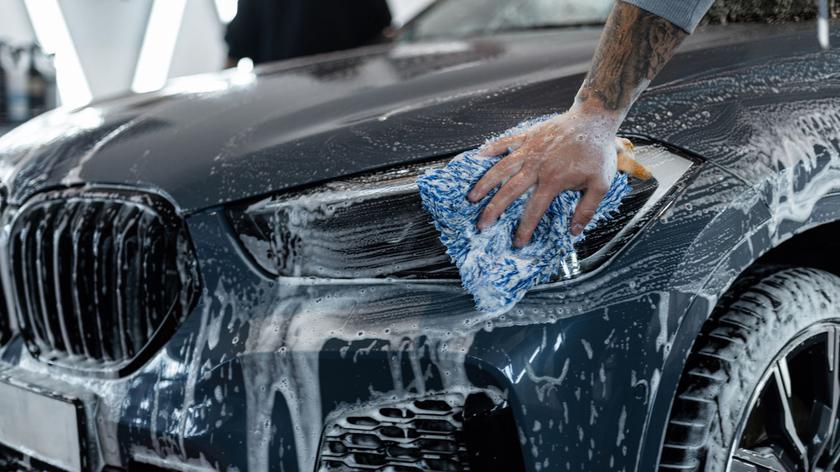
The most common mistake lies in the equipment used to clean the vehicle. Many people grab whatever is handy, such as old rags, standard kitchen sponges, or worn-out brushes. These materials often trap tiny grains of sand and dirt within their fibers. When you drag them across the surface of your car, they act essentially like sandpaper, creating fine scratches that dull the finish. The professional solution is to switch to microfiber cloths, which are designed to lift dirt away from the surface rather than dragging it across the paint.
Another critical step that is frequently overlooked is the drying process. Simply rinsing the soap off and driving away is not enough because residual water droplets can leave behind limescale spots. These mineral deposits can make a freshly washed car look dirty again within minutes. It is essential to manually dry the vehicle using a clean, absorbent microfiber towel to ensure a spotless shine. Glass and mirrors usually do not require special pre-treatment as most dirt is removed during the main wash, but they also benefit greatly from proper drying to avoid streaks.
Maintenance frequency depends on driving conditions and climate, but washing your car once a week or every two weeks is generally sufficient. However, there are exceptions that require immediate attention. Aggressive contaminants like bird droppings, tree resin, or bitumen should be removed as soon as they are spotted. Leaving these substances on the paint for too long can cause chemical etching that permanent polishing might not fix. Regular and correct washing is not just about aesthetics; it significantly extends the life of the lacquer and preserves the overall condition of the vehicle.
Do you have any personal secrets for getting that perfect shine on your car? Share your thoughts in the comments.