Volkswagen Developed the Polo Sprint to Compete With the Iconic Renault 5 Turbo
During the early eighties Volkswagen engineers embarked on a bold mission to transform their sensible supermini into a high performance machine. This project resulted in the unique Polo Sprint which was designed to challenge the dominant French hot hatches of that era. The development team wanted to create a vehicle that could rival the legendary Renault 5 Turbo on both the road and the rally stage. This prototype represented a significant departure from the standard front wheel drive layout usually found in the company lineup. It showcased the technical ambition of the brand during a time when rallying was becoming incredibly popular across Europe.
Engineers decided to install a mid mounted engine to ensure better weight distribution and superior handling characteristics. They chose a 1.9 liter four cylinder boxer engine sourced from the Volkswagen Transporter which was a water cooled unit known as the Wasserboxer. This power plant featured electronic fuel injection and produced approximately 155 horsepower which was quite impressive for such a lightweight chassis. The car could reach a top speed of roughly 124 miles per hour while providing a very raw and mechanical driving experience. Unlike the standard production models this specialized version sent all its power directly to the rear wheels for maximum traction.
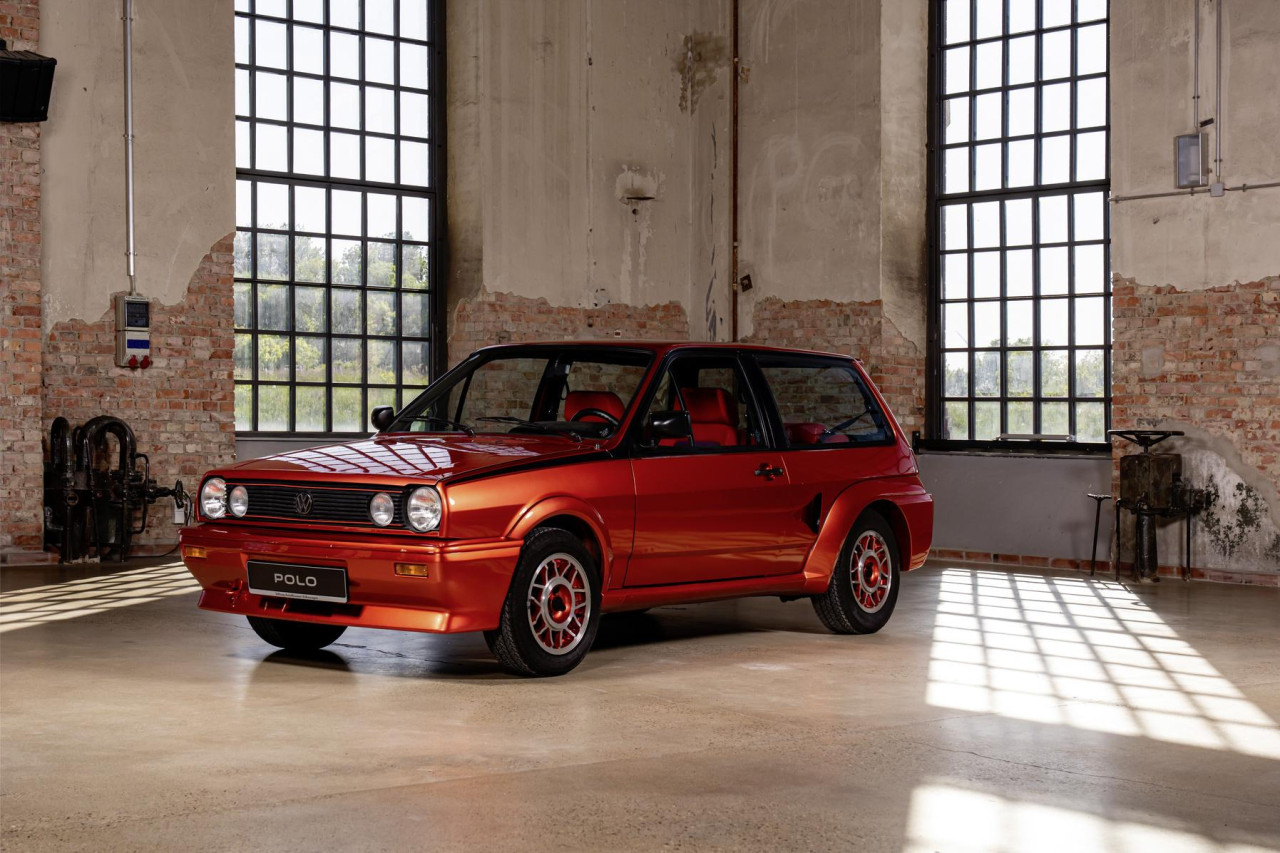
The exterior of the Polo Sprint was heavily modified to reflect its aggressive performance capabilities and significant mechanical changes. It featured wide wheel arches and specialized bodywork to accommodate the larger tires and improved cooling systems required for the mid engine setup. Volkswagen opted for iconic Fuchs alloy wheels which added a touch of Porsche inspired styling to the small hatchback. Large air intakes were integrated into the rear fenders to provide necessary ventilation for the engine tucked behind the front seats. The interior remained relatively functional but focused entirely on the driver and the requirements of the new mechanical layout.
This ambitious project was led by talented engineers within the research and development department at the Wolfsburg headquarters. They watched closely as competitors like Peugeot and Renault gained international fame with their mid engined rally monsters during the peak years of competition. While the Polo Sprint never actually entered mass production it served as an important rolling laboratory for testing various new technologies. The engineering lessons learned during its development eventually influenced future performance models and suspension setups in the Volkswagen range. Today the sole existing prototype is carefully maintained in the company museum to showcase this experimental period of automotive design.
Even though enthusiasts never got the chance to buy this car at a local dealership it remains a fascinating piece of historical engineering. It represents a time when major manufacturers were willing to take massive risks with their most popular and conservative designs. Many collectors and fans of the brand still wonder how the global market would have reacted to a rear wheel drive Polo with such high power. The car serves as a lasting reminder of the immense creativity that existed within the German automaker several decades ago. It stands as a true testament to the daring engineering spirit that defined the industry during that competitive era.
Please share your thoughts on this mid engined prototype in the comments.