Toyota Has Ambitious Plans And Electric Cars Are Not The Main Priority
Toyota is charting a unique course in the automotive industry by refusing to go all-in on fully electric vehicles just yet. The Japanese automaker has revealed ambitious production goals that rely heavily on hybrid technology rather than battery electric cars. Recent reports indicate that the company plans to produce a total of 11.3 million automobiles by 2028. A significant portion of this output will be dedicated to hybrid models which continue to see strong demand globally. This strategy highlights the brand’s belief that a diverse approach to powertrains is the most practical path forward.
The numbers supporting this decision paint a clear picture of where the company stands today. Last year the manufacturer sold over 10.5 million vehicles worldwide with nearly half of them being electrified in some form. The vast majority of these were classic hybrids which accounted for more than 4.4 million units. Current projections suggest that the production of hybrids and plug-in hybrids will rise to approximately five million units this year alone. By 2028 the company aims to increase this figure significantly to nearly 6.7 million vehicles.
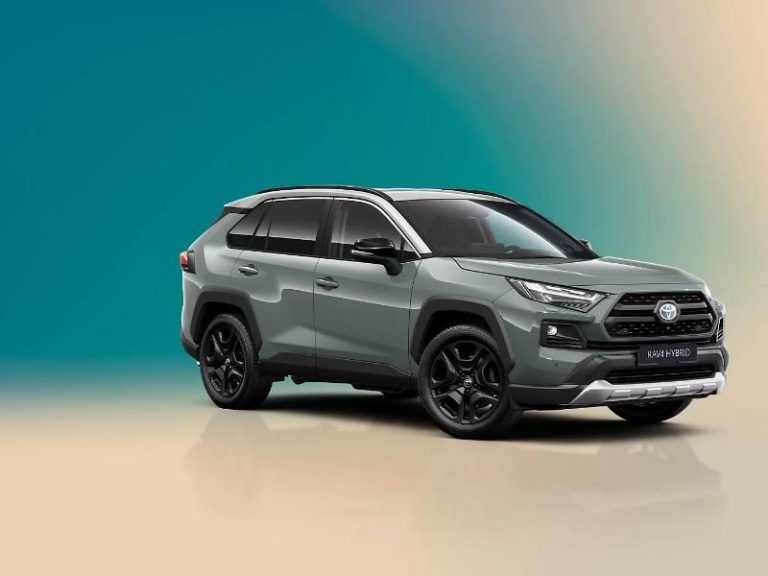
A major part of this expansion involves substantial financial commitments to manufacturing infrastructure in the United States. Sources such as Nikkei Asia report that Toyota intends to invest around 10 billion dollars into its American facilities over the next five years. This capital will be used to modernize five existing factories to better support hybrid powertrain production. The focus is clearly on upgrading supply chains and assembly lines to meet the needs of the North American market. Key models like the ‘RAV4’ have already seen updates to their hybrid versions recently.
The manufacturing roadmap includes specific targets for popular vehicles assembled on American soil. Plans are currently in motion to begin assembling the ‘Corolla Hybrid’ at the Mississippi plant by 2028. This move aligns with the broader trend of localizing production for high-volume models to ensure stability. While other competitors are scaling back on internal combustion engines the Japanese giant is optimizing its hybrid lineup. Market analysis suggests that the demand for fully electric cars is growing slower than many predicted.
This measured approach allows the company to cater to drivers who are not yet ready to switch to full electric power. By offering a transitional technology that requires no change in driving habits the brand secures its dominance in sales. The emphasis on hybrids suggests that the transition to a fully electric future will be a gradual evolution rather than an abrupt switch. Executives appear confident that offering a mix of options is the best way to serve a global customer base.
Let us know what you think about Toyota’s decision to prioritize hybrids over electric vehicles in the comments.