Troubles in Paradise Strike Famous British Carmaker with Mass Layoffs
Aston Martin has long captivated car enthusiasts with its blend of luxury and performance on four wheels. Now the iconic British brand finds itself navigating serious financial turbulence. The company recently announced plans to reduce its workforce by up to 20 percent after a challenging 2025 marked by growing losses and tough global trade conditions. This move comes as revenue dropped sharply by 21 percent to about $1.64 billion compared to the previous year. Vehicle sales also took a hit, contributing to the overall strain.
The financial picture looks grim with a full-year loss reaching roughly $641 million. Production numbers fell by 10 percent, resulting in just 5,448 cars built over the period. These setbacks highlight deeper issues within the luxury automotive sector. Markets that once fueled strong growth for high-end brands like Aston Martin have turned problematic. CEO Adrian Hallmark pointed out how increased tariffs in key regions added to the burdens.
The United States and China stand out as major trouble spots for the manufacturer. In the US, import rules caused temporary halts in vehicle deliveries while uncertainties were resolved. Hallmark noted that external factors played a role without placing full blame on any one figure. He acknowledged Donald Trump as part of the broader challenges faced last year. This disruption affected operations and sales in a market critical for luxury carmakers.
China presented its own set of hurdles with demand for ultra-luxury vehicles cooling off significantly. Deliveries to the Asia-Pacific region declined by 21 percent amid shifting consumer preferences away from Western brands. Tax changes on high-end cars implemented from July 2025 created further barriers. What was once a promising area for expansion now requires careful navigation. These combined pressures forced Aston Martin to reassess its strategies.
In response, the company is implementing a classic reset through cost-cutting measures. Layoffs could impact around 600 employees and generate savings of approximately $52 million. However, this transformation will incur additional expenses of about $19.5 million. The focus shifts toward efficiency to stabilize the business. Hallmark emphasized the need for these steps to address immediate financial woes.
Aston Martin is also adjusting its ambitious plans for the future. The five-year development budget has been trimmed from $2.6 billion to $2.21 billion. This reduction signals a slowdown in pushing forward with electric vehicle initiatives. Priorities are realigning to match current market realities. Electric models remain on the horizon but without the aggressive timeline previously set.
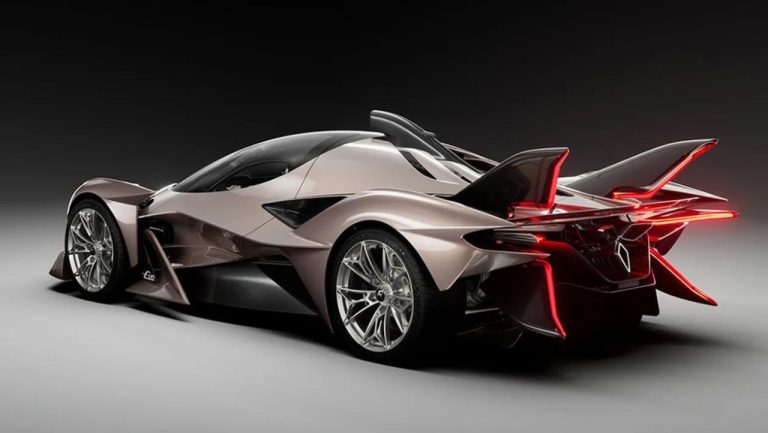
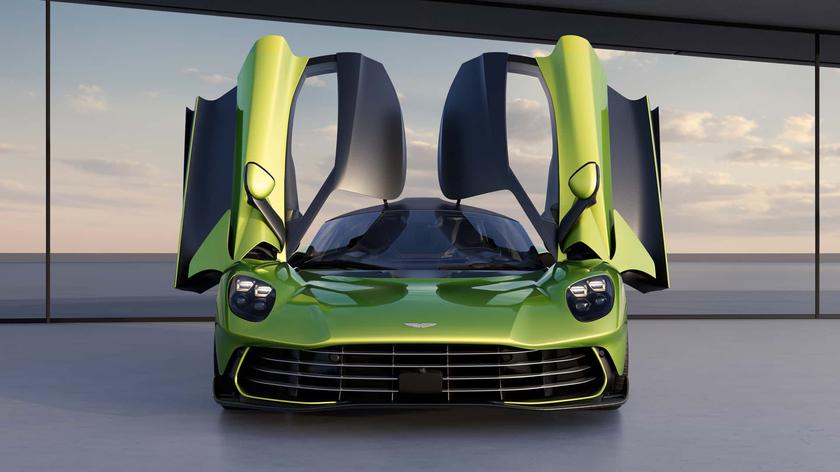
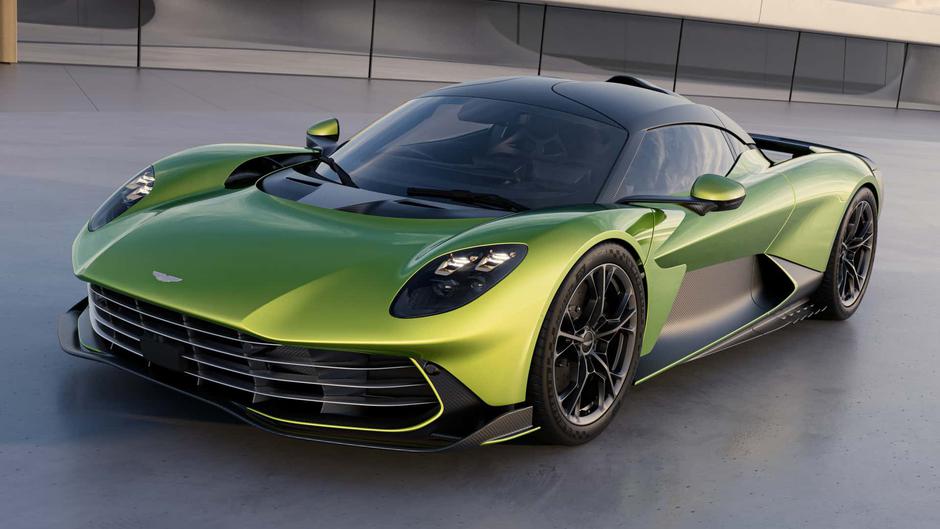
Despite the difficulties, some positive developments offer hope for recovery. The hybrid supercar Valhalla has finally started production after delays. In the fourth quarter, 152 units were delivered, boosting the average selling price of Aston Martin’s lineup. For 2026, the company anticipates delivering another 500 Valhalla models. This could enhance the overall sales mix and improve profit margins moving forward.
Hallmark expressed optimism about turning things around in the coming year. He believes these adjustments will lead to better financial performance. The brand’s heritage of innovation and excitement continues to attract loyal fans. Yet the road ahead demands adaptability in a volatile global economy. Aston Martin’s story reflects wider trends affecting luxury automakers worldwide.
Enthusiasts and industry watchers alike are keeping a close eye on how this unfolds. The company’s ability to balance cost controls with product excellence will be key. Valhalla’s rollout might just provide the spark needed for revival. As luxury car markets evolve, brands like Aston Martin must innovate to stay competitive.
What are your views on Aston Martin’s current challenges and their path to recovery? Share your thoughts in the comments.