Euro NCAP Introduces New Rules for 2026 as AMD Supplies the Technology
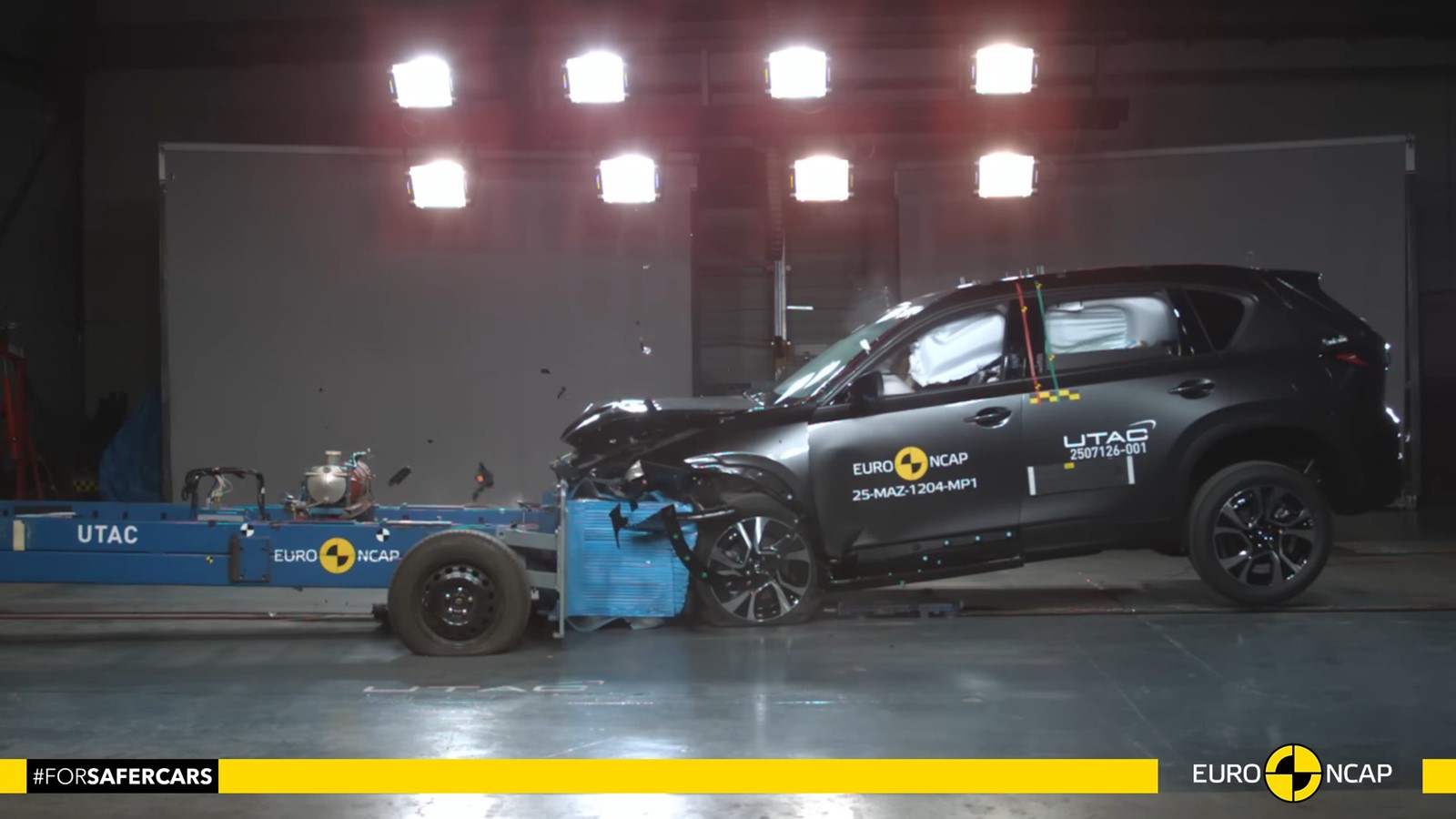
Automotive safety has stepped into an exciting new phase where preventing accidents takes center stage over just surviving them. For years, the emphasis stayed on passive measures like protecting passengers during impacts. Now, with the most sweeping changes in over a decade, the European New Car Assessment Program is transforming how vehicles earn their stars. This shift puts the spotlight on the driver, the most variable element in any drive, through smart tech that watches and reacts in real time.
The old system rated cars on adult and child protection, pedestrian safety, and basic assists. Starting this year, everything flips to a fresh framework built around four key stages of any potential mishap. Safe driving leads the pack, followed by avoiding crashes, protecting in impacts, and handling the aftermath. Each area ramps up the standards, pushing manufacturers to innovate faster than ever.
Safe driving stands out as the game changer, worth up to 60 points right now and climbing higher in the coming years. It demands vehicles that truly understand their occupants’ states. Advanced systems track eyes and heads with infrared cameras to spot tiny signs of sleepiness or distraction. Forget simple alerts for jerky steering, these setups catch microsleeps or phone glances while ignoring quick checks in the mirror.
These monitoring tools have to perform flawlessly across all lighting and even if the driver sports glasses or facial hair. They also detect if someone suddenly becomes unresponsive from illness or substances. In those cases, the car steps in to pull over safely. Reliability matters most, with minimal false alarms to keep trust high.
Meeting these demands means crunching massive sensor data instantly without draining power. Cars need setups that follow strict safety codes and handle complex tasks smoothly. As autonomy levels rise, blending processors, AI boosters, and flexible logic becomes essential. Integrated chips now combine driver watches, occupant scans, and assist features all in one efficient package.
This is where companies like AMD shine with their adaptable system-on-chips tailored for these jobs. Their tech supports quick processing for monitoring eyes, spotting risks, and aiding drives. What makes it special is the flexibility to tweak hardware and software as rules evolve every few years. It helps carmakers stay ahead without overhauling everything.
The broader impact turns vehicles into smart computing hubs that define the ride. No longer just metal and engines, cars process like mini data centers to keep everyone secure. This reform speeds up that evolution, making advanced monitoring a must for top ratings. Manufacturers face pressure to adopt these integrated solutions or risk falling behind in safety scores.
Energy efficiency pairs with rock-solid performance to avoid glitches in critical moments. Think of it as building a brain for the car that thinks fast and adapts easily. AMD’s contributions fit perfectly here, enabling seamless merges of safety tech on single platforms. As a result, drivers get more intuitive vehicles that anticipate issues before they escalate.
Looking ahead, these changes promise fewer accidents by addressing human errors head-on. The focus on real-world testing ensures systems work beyond labs. Points will keep increasing for safe driving, urging constant improvements. It’s a win for everyone on the road, from families to daily commuters.
This push also aligns with global trends toward smarter mobility. Car interiors evolve with cameras and sensors that feel almost alive. Yet, the core goal remains simple, make every trip safer through prevention. AMD’s role underscores how tech giants collaborate to meet these ambitious targets.
In the end, this overhaul redefines what a five-star vehicle means today. It encourages innovation that saves lives without complicating the drive. As regulations tighten, expect even more breakthroughs in monitoring and autonomy. The automotive world adapts quickly to these standards, benefiting us all.
What are your experiences with modern driver monitoring systems, and how do you think these new rules will change your next car purchase? Share your thoughts in the comments.