The Stupidest Luxury Accessories: Premium Trends That Have Gone Too Far
Modern luxury cars often seem more focused on outrageous show than genuine refinement. Picture a massive family SUV tipping the scales at over five thousand pounds, built for everyday comfort and practicality, now perched on enormous twenty-three-inch wheels with tires so thin they barely cushion anything. Inside, giant touchscreens have replaced nearly every button, while outside glowing logos and grilles light up like a holiday display. Under the hood sits close to a thousand horsepower, turning this everyday hauler into something that accelerates like a supercar. These features highlight how the premium car world has drifted into excess, where impressing others trumps actual usability.
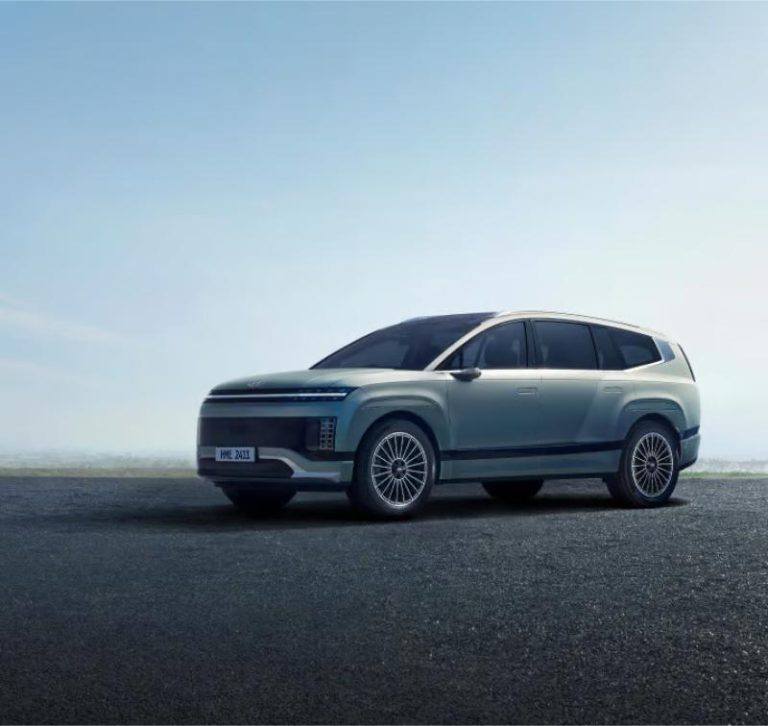
One of the most glaring examples involves wheels that keep growing larger. What started as a subtle upgrade for sportier looks has reached ridiculous levels, especially on SUVs from top brands. Many models now offer twenty-three-inch rims as an option, with some electric versions pushing toward twenty-four inches soon. The visual appeal aims to fill out those huge wheel arches for a bold stance, almost like a concept car brought to life. Unfortunately, fitting such big rims forces tire sidewalls to shrink dramatically, robbing the ride of its ability to absorb bumps and potholes smoothly. Even advanced air suspension struggles to compensate, leaving drivers with a harsh, noisy experience on anything but perfect pavement.
The downsides extend far beyond comfort. A full set of those oversized tires can easily run more than four thousand four hundred dollars to replace, and finding suitable winter options in those sizes proves nearly impossible in many places. The minimal rubber also leaves the expensive rims exposed to every curb or pothole, turning minor scrapes into costly repairs. Owners of these luxury SUVs frequently debate downgrading to twenty-two-inch wheels just to regain some ride quality, which speaks volumes about the trade-off. Vehicles meant for versatility and occasional off-road use end up restricted to smooth highways and city streets.
Engine power has followed a similar path of escalation. Numbers once exclusive to rare supercars now appear in family-oriented SUVs, with electric models accelerating the trend even further. Pushing beyond six hundred horsepower becomes common, yet that immense force serves little purpose on public roads. Quick throttle inputs either break speed limits instantly or trigger traction controls to prevent wheelspin, making the capability feel more like a party trick than a practical benefit. Combining such power with several tons of weight creates serious safety concerns for ordinary drivers navigating everyday traffic.
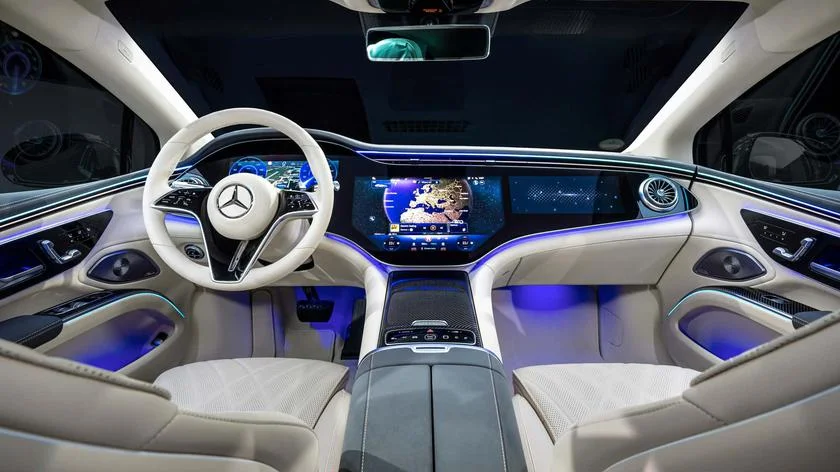
Touchscreens dominating the dashboard represent another step too far. Manufacturers chased a clean, futuristic aesthetic by moving climate controls, audio adjustments, and other essentials onto large central displays. While it looks sleek in the showroom, the setup demands multiple pokes and glances away from the road during drives. Studies have shown that simple tasks take far longer on these systems compared to older cars with physical knobs and buttons. At highway speeds, those extra seconds translate to covering significant distance without full attention, raising obvious risks. Safety organizations have taken notice, with rules set to penalize overly screen-dependent designs starting in 2026.
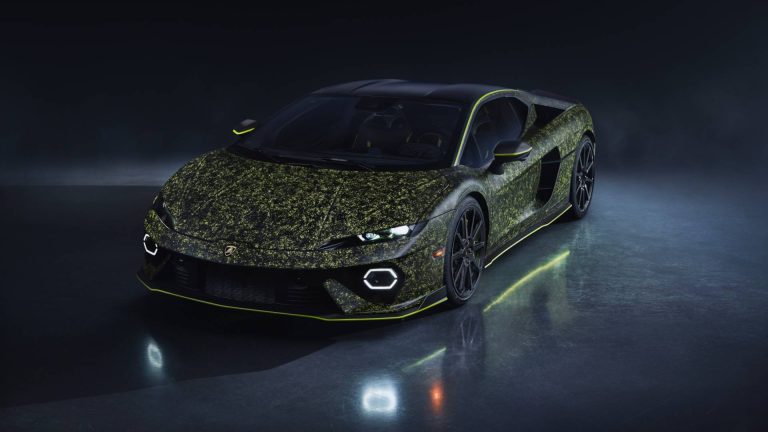
Exterior lighting trends add yet another layer of unnecessary flash. Illuminated grilles, connecting light strips, and shining brand logos have become standard on many premium models, designed to make the car instantly recognizable even at night. The effect turns vehicles into rolling billboards, but it comes at a price. What used to be a simple bumper replacement after a light tap now involves pricey LED components and integrated sensors. Repairs climb quickly, proving once again that these touches prioritize appearance over sensible ownership.
True luxury might lie in the opposite direction from all this spectacle. It could mean a serene cabin thanks to soundproofing and active noise reduction rather than overwhelming power. Quality comes from tactile natural materials like leather, wool, or wood instead of fingerprint-prone glass surfaces. The best technology works quietly in the background, letting drivers focus on the journey without constant interaction. Reliability and understated elegance often outshine fleeting gimmicks in the long run.
What do you think about these over-the-top car trends—do any of them appeal to you, or do they miss the mark on real luxury? Share your thoughts in the comments.