Chinese Carmakers Now Sell More Cars Abroad Than at Home
The Chinese automotive industry has transformed dramatically in recent years with explosive growth in electric and plug-in hybrid vehicles. Domestic market saturation has pushed manufacturers to prioritize international sales as home demand cools amid fierce price wars and reduced government subsidies. This shift marks a major turning point for an industry once heavily reliant on its massive local consumer base.
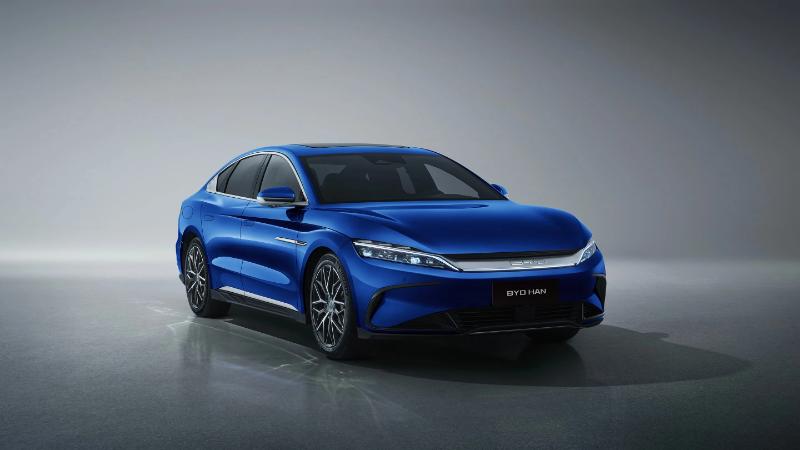
BYD achieved a notable milestone in February when it exported roughly 100,600 vehicles. Those overseas deliveries made up about 53 percent of its total sales that month marking the first time exports outpaced domestic figures for the company. Intense competition inside China has squeezed profit margins while consumers have grown more hesitant prompting brands to seek growth elsewhere. This change reflects broader challenges including waning incentives for electric vehicles that once fueled rapid expansion.
Great Wall Motor shows a similar pattern with February sales around 72,600 vehicles and more than 42,600 shipped abroad. Exports have evolved from a secondary channel into a core business strategy for many players. Chinese manufacturers collectively exported over 2.6 million vehicles in 2025 more than double the previous year’s total demonstrating accelerated global ambitions. Low production costs advanced battery supply chains and quick scaling capabilities give these brands strong advantages particularly in price-sensitive regions.
Markets in Southeast Asia Latin America and the Middle East have welcomed Chinese electric vehicles enthusiastically. In places like Thailand brands that were barely known a few years ago now compete seriously against traditional Western names thanks to compelling value. Competitive pricing draws buyers in developing countries where established players often carry higher costs. This success helps offset slower growth back home and builds long-term revenue streams.
Challenges remain as Europe and North America introduce tariffs that impact profitability and require careful planning. To counter these hurdles Chinese companies increasingly invest in local production facilities distribution networks and service infrastructure abroad. The aim extends beyond simple exports toward establishing a permanent global footprint. Building factories and partnerships overseas helps navigate trade barriers while creating jobs and fostering acceptance in host countries.
The overall trend points to sustained international expansion even as domestic pressures persist. Chinese automakers continue adapting by leveraging technological strengths and cost efficiencies to capture share worldwide. This evolution reshapes the global auto landscape with greater emphasis on new energy vehicles driving much of the momentum.
What are your thoughts on the rise of Chinese car brands in international markets in the comments.