A High Ranking ADAC Official Has Resigned After Outraging Members With Comments About Banning Gasoline Engines
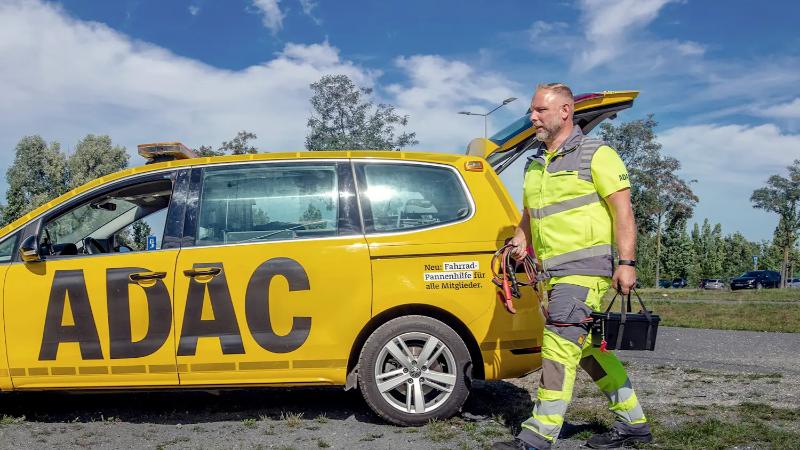
The leadership of the most powerful automobile association in Europe is currently facing a significant internal crisis following a controversial public statement regarding the future of driving. Dr. Gerd Ennser recently stepped down from his position as the chairman of the South Bavaria regional division of the ADAC which represents millions of drivers. This sudden departure came after he expressed strong support for a firm deadline regarding the ban of internal combustion engines during a high profile event. His comments sparked a massive wave of criticism from motorists who rely on the organization to protect their rights and interests.
The controversy began when the official voiced his personal views on the transition to electric mobility during a public forum focused on environmental policies in Munich. He suggested setting a definitive end date for gasoline and diesel vehicles to ensure a cleaner environment for future generations. This stance contradicted the neutral position that the automobile club typically maintains for its diverse group of members who drive various types of vehicles. Many subscribers felt that such a policy would unfairly penalize those who cannot afford expensive new technology or lack access to reliable charging infrastructure. The suggestion of a ban felt like a betrayal to many people who have paid membership fees for decades.
Public reaction to these statements was swift and negative across various social media platforms and internal communication channels throughout the region. Members expressed frustration that a high ranking representative would advocate for the removal of traditional engines from the market entirely. This backlash highlighted the deep divide between administrative officials and the everyday drivers who make up the actual membership base. The volume of complaints forced the regional board to address the situation through an emergency session to mitigate further reputational damage. It became clear that the members would not tolerate a leader who supported policies they viewed as hostile to their lifestyle.
Following the outrage the leadership realized that the position of the chairman had become untenable within the organization due to the loss of trust. Dr. Gerd Ennser ultimately decided to submit his resignation to prevent further harm to the reputation of the club and its activities. The official statement from the association noted that his comments did not reflect the broader strategy of the board of directors. This move was intended to reassure the public that the group remains committed to a technology neutral approach for all road users. The organization wanted to distance itself from any perception that it was lobbying against the interests of internal combustion vehicle owners.
The incident serves as a stark reminder of the political sensitivities surrounding the shift away from fossil fuels in the automotive industry. Even though many governments are pushing for greener initiatives the transition remains a polarizing topic for many car owners and enthusiasts. Many drivers feel that their freedom of choice is being threatened by aggressive legislative timelines and administrative overreach. The departure of such a prominent figure shows how quickly professional careers can be impacted by the ongoing debate over the future of mobility. Stakeholders must balance environmental goals with the practical realities and financial concerns of the general public to maintain institutional credibility.
Share your thoughts on the future of traditional automobile engines in the comments.