A Major Manufacturer Admits Engine Mistake and Now Offers 15-Year Warranty
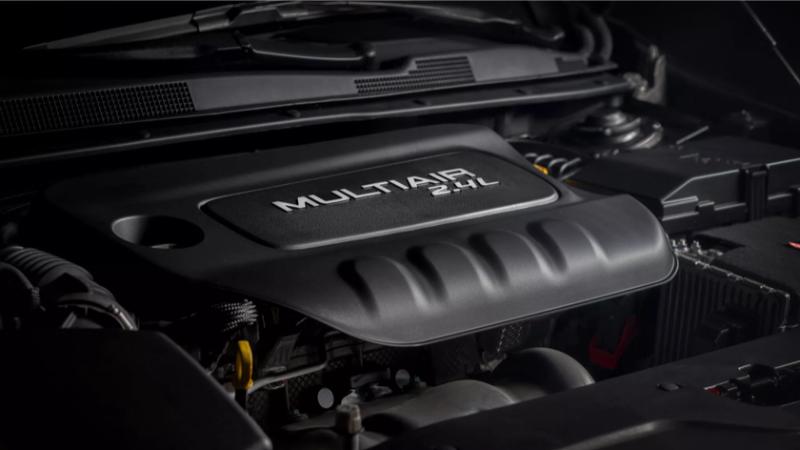
Stellantis has acknowledged an error in how certain engine components were classified on some of its vehicles. The issue centers on the 2.4-liter MultiAir engine found in Chrysler 200 models from 2015 to 2017. These parts, including the MultiAir actuator and specific fuel injection elements, play a role in controlling exhaust emissions but were not officially designated as such by the company. This classification oversight meant they fell outside the longer federal emissions warranty protections in the United States, forcing many owners to cover expensive repairs themselves when failures happened.
Owners argued successfully that these components directly influence emissions performance. As a result, they should have qualified for extended coverage under U.S. regulations that require emissions-related parts to have more robust protections. The misstep led to a class-action lawsuit filed toward the end of 2021, with a follow-up action the next year that expanded to include fuel injection parts. After court proceedings, a settlement received preliminary approval in late 2025, resolving the dispute without the company admitting broader wrongdoing.
Under the agreement, Stellantis now extends warranty coverage for the affected MultiAir actuator and related fuel injection components to 15 years or 150,000 miles, whichever comes first, starting from the vehicle’s original in-service date. This includes full reimbursement for both parts and labor if those items fail. The enhanced protection applies primarily to vehicles originally sold or registered in eleven U.S. states that enforce the strictest emissions standards. Owners who previously paid out of pocket for qualifying repairs can submit documentation to seek reimbursement, providing proof of the work and ownership history.
The settlement also includes provisions for legal fees and modest payments to the lead plaintiffs who brought the case forward. While the company has not detailed widespread failure rates, the arrangement addresses complaints that surfaced over several years. It highlights how precise classification of powertrain parts can have significant financial implications for drivers. This resolution may encourage more careful scrutiny of similar components across the industry moving forward.
The Chrysler 200 models in question represent a specific chapter in Stellantis’s lineup, as the brand has since shifted focus under the larger corporate structure. Drivers with these cars now have much stronger assurance against potential repair costs tied to the disputed parts. The move demonstrates responsiveness to owner concerns through legal channels rather than a voluntary recall. It serves as a reminder that emissions-related warranties often extend far beyond standard bumper-to-bumper terms for good reason.
What do you think about this extended warranty for the Chrysler 200—would it make you more confident in an older model, or share your experiences with similar engine issues in the comments.