Amsterdam Plans To Convert Ten Major Gas Stations Into Electric Vehicle Charging Hubs
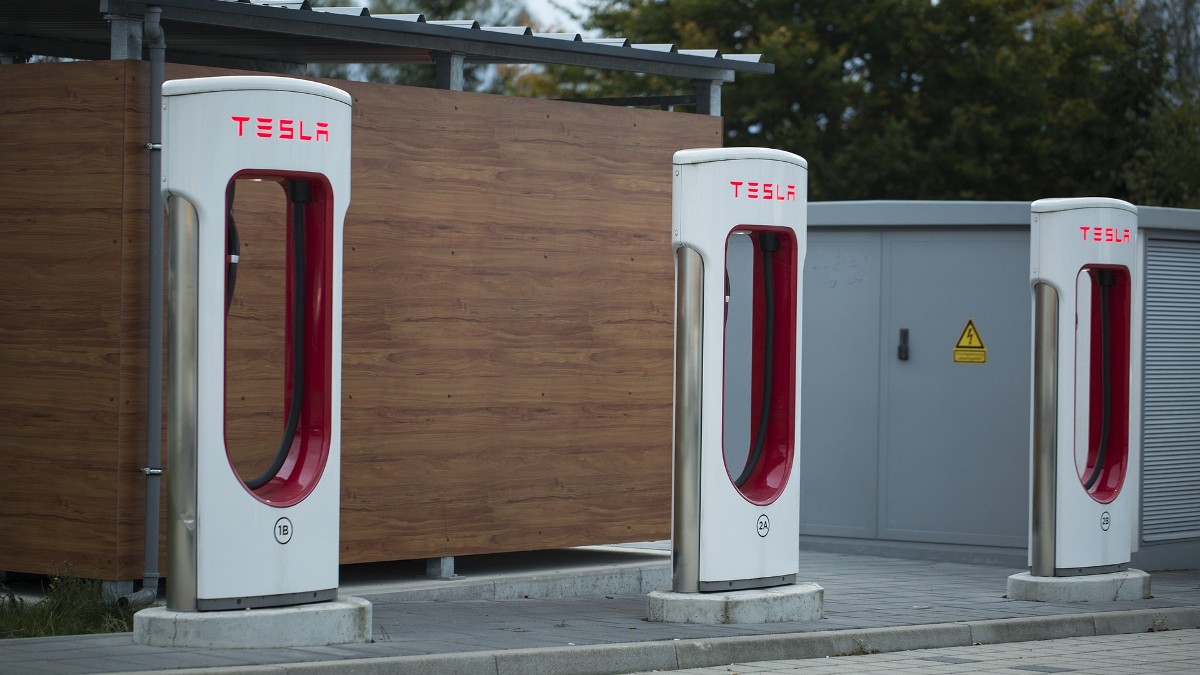
The city of Amsterdam is taking a significant step forward in its aggressive strategy to eliminate fossil fuel vehicles from its streets. City officials have announced a comprehensive plan to repurpose ten existing gasoline stations into dedicated charging hubs for electric vehicles. This initiative serves as the latest move to restrict traditional combustion engines within the capital and specifically inside the busy A10 ring road. The local government views this infrastructure shift as essential to their long-term goal of achieving a zero-emission urban environment.
This ambitious project involves cooperation with some of the largest names in the energy sector. Locations currently operated by major international brands such as BP, Shell, Esso, and Circle K have been identified for this transformation. These sites are strategically distributed across the city from western industrial areas to southern and eastern neighborhoods to ensure wide coverage. The participation of these corporate giants signals a broader industry recognition that the future of urban mobility lies in electrification rather than liquid fuels.
Residents and commuters should not expect these changes to happen overnight. The municipal administration has outlined a phased timeline where stations will initially operate as hybrid facilities offering both traditional fuel and fast-charging capabilities. A complete transition to electric-only services is projected to occur gradually and is expected to be fully realized after 2030. This buffer period allows time for consumer adaptation and for the necessary construction work to take place without causing immediate disruption to current drivers.
A primary challenge facing this transition is not political will but rather technical feasibility regarding the power grid. Converting a facility that dispenses liquid fuel into one that delivers high-voltage electricity requires a massive upgrade to local energy connections. Amsterdam is actively collaborating with network operators and private partners to upgrade the grid capacity in these dense urban zones. Solving these logistical hurdles is a prerequisite for supporting the high-speed chargers that modern electric cars require for efficient travel.
Amsterdam is effectively setting a precedent that infrastructure must actively support traffic policy rather than just react to it. While other European capitals like London and Paris have seen individual stations converted to electric hubs, this coordinated city-wide effort is unique in its scope. The Dutch capital has already implemented strict speed limits and low-emission zones to discourage polluting vehicles. This new project reinforces the message that gas stations in city centers will eventually become economically and logistically obsolete.
Drivers and industry analysts will be watching closely to see how quickly these renovations progress. The success of this initiative could provide a blueprint for other metropolises struggling to balance transportation needs with climate goals. As the density of electric vehicles continues to rise in the Netherlands, the availability of reliable fast-charging points becomes the most critical factor for continued adoption.
Please share your thoughts on whether other major cities should follow this example in the comments.