Are Electric Cars Really That Efficient When Converted to Liters of Fuel
Electric vehicles have sparked endless debates about their true cost savings and efficiency compared to traditional gasoline or diesel cars. People often struggle to make fair comparisons because EVs measure energy use in kilowatt-hours per 100 kilometers, while conventional cars stick to liters of fuel for the same distance. To bridge this gap, experts convert electric consumption into an equivalent amount of fuel, revealing just how impressively efficient these vehicles can be. This approach highlights why many drivers find EVs so appealing for daily use and long-term savings.
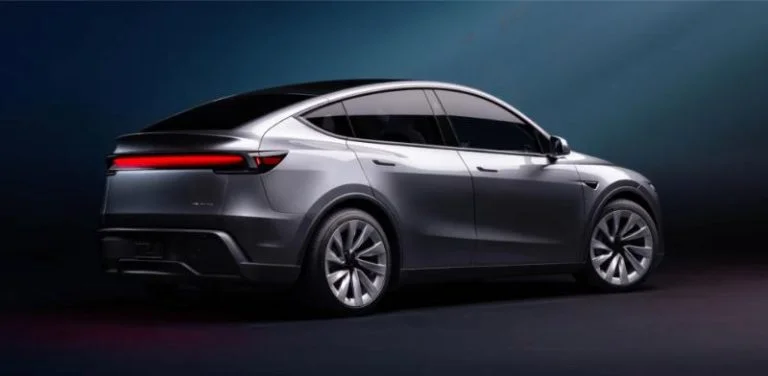
At the heart of the comparison is the energy packed into different fuels. One liter of gasoline holds about 8.9 kilowatt-hours of energy, and diesel packs even more at roughly 10 kilowatt-hours per liter. A highly efficient electric car that uses just 15 kilowatt-hours per 100 kilometers translates to only 1.69 liters of gasoline or 1.5 liters of diesel for the same distance. Even larger, heavier electric SUVs that consume around 30 kilowatt-hours per 100 kilometers still come out ahead, equating to 3.37 liters of gasoline or 3 liters of diesel.
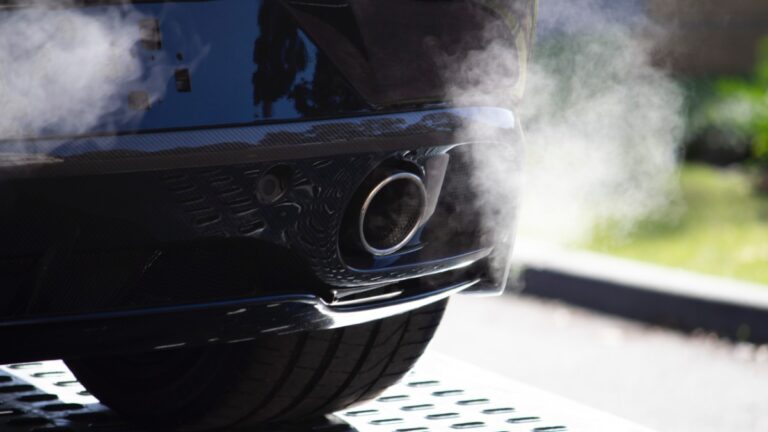
These numbers make electric drivetrains look unbeatable on paper. Internal combustion engines waste a lot of energy as heat, converting only 25 to 40 percent into actual motion. Electric motors, by contrast, achieve over 90 percent efficiency, putting far more of their energy toward moving the car. This fundamental advantage explains why EVs can feel so thrifty, especially in city driving with frequent stops and starts.
Charging realities add a layer of complexity that tempers the raw efficiency gains. Energy gets lost during the process of converting alternating current from the grid to direct current for the battery, plus some goes toward managing battery temperature and cell balancing. Factoring in typical losses of around 15 percent, that efficient 15 kilowatt-hour car actually pulls about 17.25 kilowatt-hours from the outlet. This adjusts the fuel equivalent upward to 1.94 liters of gasoline or 1.73 liters of diesel per 100 kilometers.
For thirstier electric models drawing 34.5 kilowatt-hours after losses, the figure rises to 3.88 liters of gasoline or 3.45 liters of diesel equivalent. Even with these adjustments, electric cars maintain a clear edge over most traditional vehicles in energy use. The gap remains wide enough that daily commuting or regular trips often cost noticeably less with electricity. Drivers who charge at home during off-peak hours see the biggest benefits.
Range remains the biggest hurdle despite all this efficiency. Fossil fuels store an incredible amount of energy by weight, around 10,000 watt-hours per kilogram for gasoline or diesel. Modern lithium-ion batteries manage only 160 to 250 watt-hours per kilogram, creating a difference of 40 times or more. A typical 13-gallon diesel tank holds the raw energy equivalent of about 500 kilowatt-hours.
Matching that storage in a battery would require over 5,500 pounds of cells, which no practical car could carry without massive compromises. Traditional engines may waste energy, but their dense fuel allows huge ranges between fill-ups. Electric vehicles make up ground through smart regeneration and superior drivetrain efficiency, yet battery technology still limits how far they can go on a single charge. Advances continue to close this gap year by year.
Automotive journalist Dubravko Kolarić has pointed out these contrasts to help drivers understand the trade-offs. Efficiency shines brightest for those with predictable routes and access to charging. Longer journeys highlight where liquid fuels still hold an advantage today. The numbers show electric cars deliver real savings in most scenarios.
What do you think about these efficiency comparisons for electric vehicles, and how do they match your own driving experiences? Share your thoughts in the comments.