BMW 3 Series E90 Celebrates 20 Years As The Last Classic Midsize Sedan
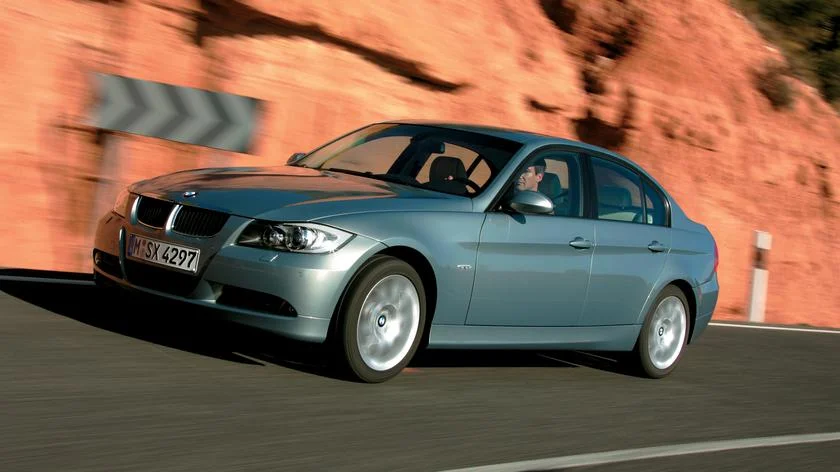
The automotive world is currently marking a significant milestone for one of the most important executive cars of the 21st century. It has been exactly two decades since the BMW 3 Series of the E90 generation made its public debut at the Geneva Motor Show in March 2005. This model arrived with the heavy burden of replacing the universally adored E46 generation and faced immediate scrutiny for its bold new direction. While it initially divided opinion among purists and critics alike, the E90 has aged into a celebrated modern classic that many enthusiasts now view as the final chapter of BMW’s old-school engineering philosophy.
The design of the E90 was a radical departure from the conservative styling of its predecessors and marked a major shift for the brand. Chief of Design Chris Bangle oversaw the project while the exterior lines were penned by Joji Nagashima. Their work introduced sharp creases and complex surfaces that were part of the controversial flame surfacing design language prevalent at the time. What seemed jarring in 2005 has softened over time and many now appreciate the muscular stance and distinctive character lines that separate it from today’s larger and softer vehicles.
Technologically speaking, the E90 was a quantum leap forward that brought high-end luxury features to the compact executive segment. It was the first 3 Series to introduce the iDrive infotainment system which fundamentally changed how drivers interacted with vehicle settings and navigation. The chassis also utilized advanced materials and a sophisticated five-link rear suspension setup that set new benchmarks for handling and ride comfort. Run-flat tires became standard across the range and eliminated the need for a spare wheel while freeing up trunk space.
Under the hood lies the primary reason why collectors and drivers are currently scrambling to buy clean examples of this generation. The E90 represents the end of an era for the naturally aspirated inline-six engine which had been a staple of the brand’s identity for decades. Models like the 325i and 330i featured the legendary N52 magnesium-block engine that offered linear power delivery and an iconic soundtrack that modern turbocharged units cannot replicate. This generation also gave us the only M3 to ever feature a V8 engine and solidified its place in performance history.
The driving experience of the E90 creates a bridge between the raw mechanical feel of the 1990s and the digital isolation of modern cars. It retained hydraulic power steering for most of its production run and provided steering feedback that is often described as telepathic compared to the electric systems found in the later F30. This heavy and communicative steering allows the driver to feel every texture of the road surface. For many fans, this specific balance of modern safety with analog feedback makes the E90 the sweet spot of the 3 Series lineage.
Do you think the E90 generation deserves the title of the last true driver’s BMW or do you prefer the newer turbocharged models? Please share your thoughts and experiences with this car in the comments.